
Title
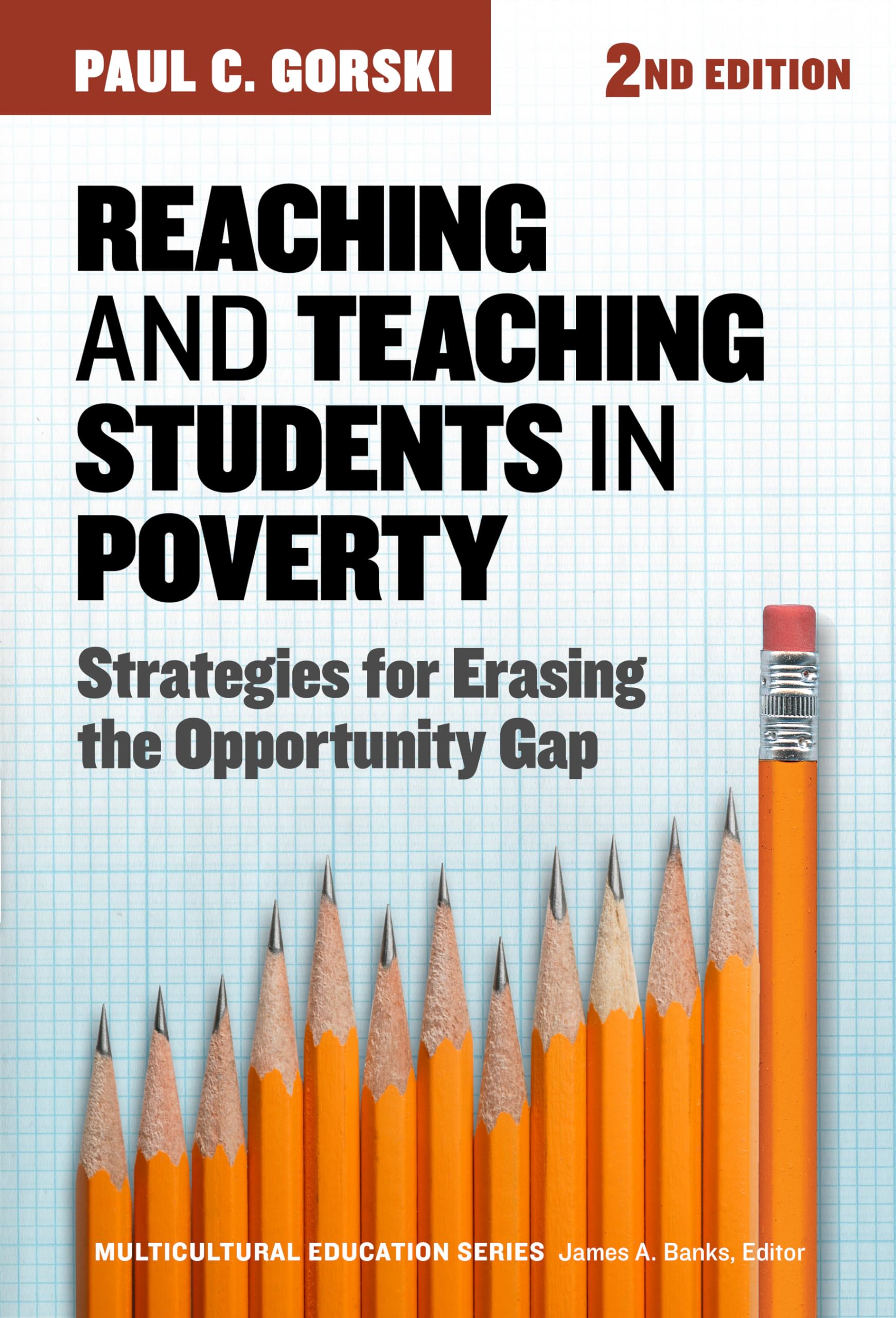
Reaching And Teaching Students In Poverty: Strategies For Erasing The Opportunity Gap (Multicultural Education Series),Used
Sold by Ergodebooks, an authorized reseller.
Returns accepted within 30 days | support@ergodebooks.com
Shipping Information
- Free Standard Shipping — United States only
- Processing Time: 3–5 business days
- Estimated Delivery: 6–10 business days after dispatch
- Double-boxed, fully insured & discreetly packaged
- Tracking number sent via email once dispatched
Returns & Refund
Returns accepted within 30 days of delivery.
Damaged or Defective Item
Free return shipping + replacement or full refund
Wrong Item Received
Free return shipping + replacement or full refund
Change of Mind
Return shipping at customer's expense · 25% restocking fee applies
Payment Option

This Influential Book Describes The Knowledge And Skills Teachers And School Administrators Need To Recognize And Combat Bias And Inequity That Undermine Educational Engagement For Students Experiencing Poverty.The Second Edition Features Two New Chaptersembracing A Structural View Of Poverty And Education: Ditching Deficit Ideology And Quitting Grit And Cultivating School Change Through Equity Literacy: Commitments And Strategies For School And District Leadersplus Extensive Revisions Throughout Based On Newly Available Research And Lessons From The Authors Professional Development Work. Gorski Outlines The Dangers Of Grit And Deficit Perspectives As Responses To Educational Disparities; Offers Researchinformed, Ontheground Strategies For Teaching And Leading With Equity Literacy; And Provides Expanded Lists Of Resources And Readings To Support Transformative Equity Work In Highpoverty And Mixedclass Schools.Written In An Engaging, Conversational Style That Makes Complex Concepts Accessible, This Book Will Help Readers Learn How To Recognize And Respond To Even The Subtlest Inequities In Their Classrooms, Schools, And Districts.Book Features: Offers A Researchinformed Alternative To Popular Simplistic Approaches That Undermine Genuine Efforts At Educational Equity. Outlines Evidencebased Strategies, Policies, And Practices That Strengthen The Educational Success Of Students Experiencing Poverty. Incorporates Vignettes To Help Readers Reflect On Key Points And Apply The Equity Literacy Framework To Classroom And Schoolbased Scenarios. Embraces An Intersectional Approach To Recognizing How Class And Poverty Interact With Race, Gender, Language, (Dis)Ability, And Other Dimensions Of Identity And Experience. Includes An Updated Poverty And Class Awareness Quiz.
⚠️ WARNING (California Proposition 65):
This product may contain chemicals known to the State of California to cause cancer, birth defects, or other reproductive harm.
For more information, please visit www.P65Warnings.ca.gov.
- Q: How many pages does this book have? A: This book has two hundred fifty-six pages. It's a comprehensive read that covers various strategies for educators.
- Q: What are the dimensions of the book? A: The book measures six point fourteen inches in length, zero point fifty-one inches in width, and nine point zero two inches in height.
- Q: What is the binding type of the book? A: The book is available in paperback binding. This makes it lightweight and easy to handle.
- Q: What is the main focus of this book? A: The book focuses on strategies for addressing educational inequities faced by students in poverty. It provides actionable insights for educators.
- Q: Is this book suitable for all educators? A: Yes, this book is suitable for educators in various settings. It offers valuable insights for teachers, administrators, and support staff.
- Q: What age group is this book appropriate for? A: The book is appropriate for educators working with students of all ages. It addresses issues relevant to K-12 education.
- Q: How can I apply the concepts in this book? A: You can apply the concepts by using the evidence-based strategies and resources provided. It includes practical vignettes for real classroom scenarios.
- Q: Are there any new chapters in the second edition? A: Yes, the second edition features two new chapters. These chapters focus on structural views of poverty and equity literacy strategies.
- Q: What kind of strategies does the book offer? A: The book offers research-informed strategies aimed at enhancing educational equity. It emphasizes policies and practices that support success for students in poverty.
- Q: How does this book address bias in education? A: The book outlines ways to recognize and combat bias in educational settings. It encourages educators to reflect on their practices and beliefs.
- Q: What resources are included in the book? A: The book includes expanded lists of resources and readings. These aim to support transformative equity work in diverse educational settings.
- Q: Does the book discuss intersectionality? A: Yes, the book embraces an intersectional approach. It addresses how class and poverty interact with race, gender, language, and other identity dimensions.
- Q: Is there a quiz included in the book? A: Yes, the book includes an updated Poverty and Class Awareness Quiz. This helps readers assess their understanding of these critical issues.
- Q: Who is the author of the book? A: The author of the book is Paul C. Gorski. He is known for his work on educational equity and social justice.
- Q: What is the target audience for this book? A: The target audience includes educators, school administrators, and anyone involved in supporting students experiencing poverty.
- Q: Can I use the strategies in diverse classrooms? A: Yes, the strategies are designed to be applicable in diverse classrooms. They are flexible and can be adapted to various educational contexts.