
Title
Reading Food in Modern Japanese Literature,Used
Sold by Ergodebooks, an authorized reseller.
Returns accepted within 30 days | support@ergodebooks.com
Shipping Information
- Free Standard Shipping — United States only
- Processing Time: 3–5 business days
- Estimated Delivery: 6–10 business days after dispatch
- Double-boxed, fully insured & discreetly packaged
- Tracking number sent via email once dispatched
Returns & Refund
Returns accepted within 30 days of delivery.
Damaged or Defective Item
Free return shipping + replacement or full refund
Wrong Item Received
Free return shipping + replacement or full refund
Change of Mind
Return shipping at customer's expense · 25% restocking fee applies
Payment Option

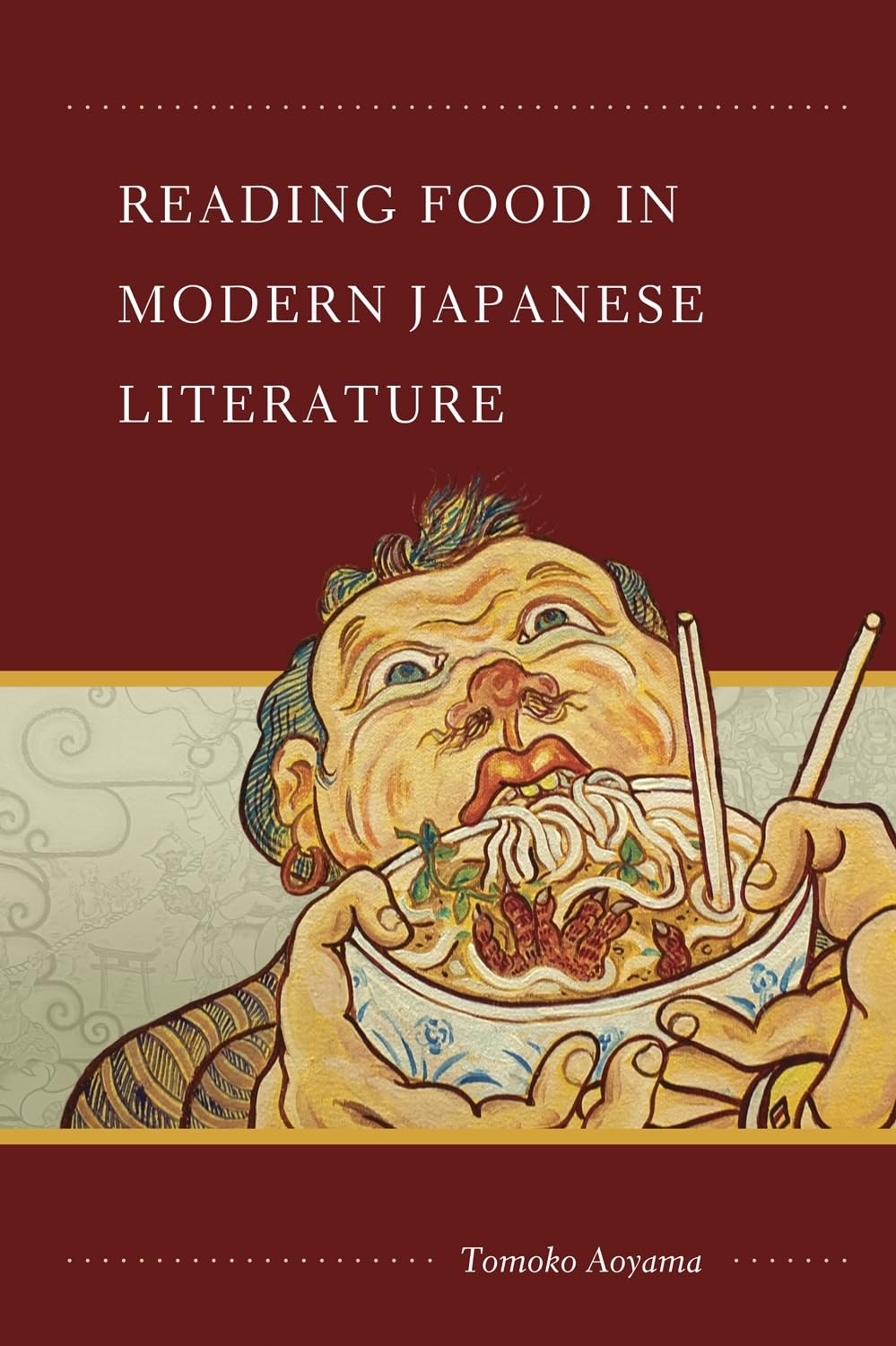
Literature, like food, is, in Terry Eagletons words, 'endlessly interpretable,' and food, like literature, 'looks like an object but is actually a relationship.' So how much do we, and should we, read into the way food is represented in literature? Reading Food explores this and other questions in an unusual and fascinating tour of twentiethcentury Japanese literature. Tomoko Aoyama analyzes a wide range of diverse writings that focus on food, eating, and cooking and considers how factors such as industrialization, urbanization, nationalism, and gender construction have affected peoples relationships to food, nature, and culture, and to each other. The examples she offers are taken from novels (shosetsu) and other literary texts and include well known writers (such as Tanizaki Junichiro, Hayashi Fumiko, Okamoto Kanoko, Kaiko Takeshi, and Yoshimoto Banana) as well as those who are less widely known (Murai Gensai, Nagatsuka Takashi, Sumii Sue, and Numa Shozo).Food is everywhere in Japanese literature, and early chapters illustrate historical changes and variations in the treatment of food and eating. Examples are drawn from Meiji literary diaries, childrens stories, peasant and proletarian literature, and womens writing before and after World War II. The author then turns to the theme of cannibalism in serious and popular novels. Key issues include ethical questions about survival, colonization, and cultural identity. The quest for gastronomic gratification is a dominant theme in 'gourmet novels.' Like cannibalism, the gastronomic journey as a literary theme is deeply implicated with cultural identity. The final chapter deals specifically with contemporary novels by women, some of which celebrate the inclusiveness of eating (and writing), while others grapple with the fear of eating. Such dread or disgust can be seen as a warning against what the complacent 'gourmet boom' of the 1980s and 1990s concealed: the dangers of a market economy, environmental destruction, and continuing gender biases.Reading Food in Modern Japanese Literature will tempt any reader with an interest in food, literature, and culture. Moreover, it provides appetizing hints for further savoring, digesting, and incorporating textual food.
⚠️ WARNING (California Proposition 65):
This product may contain chemicals known to the State of California to cause cancer, birth defects, or other reproductive harm.
For more information, please visit www.P65Warnings.ca.gov.