
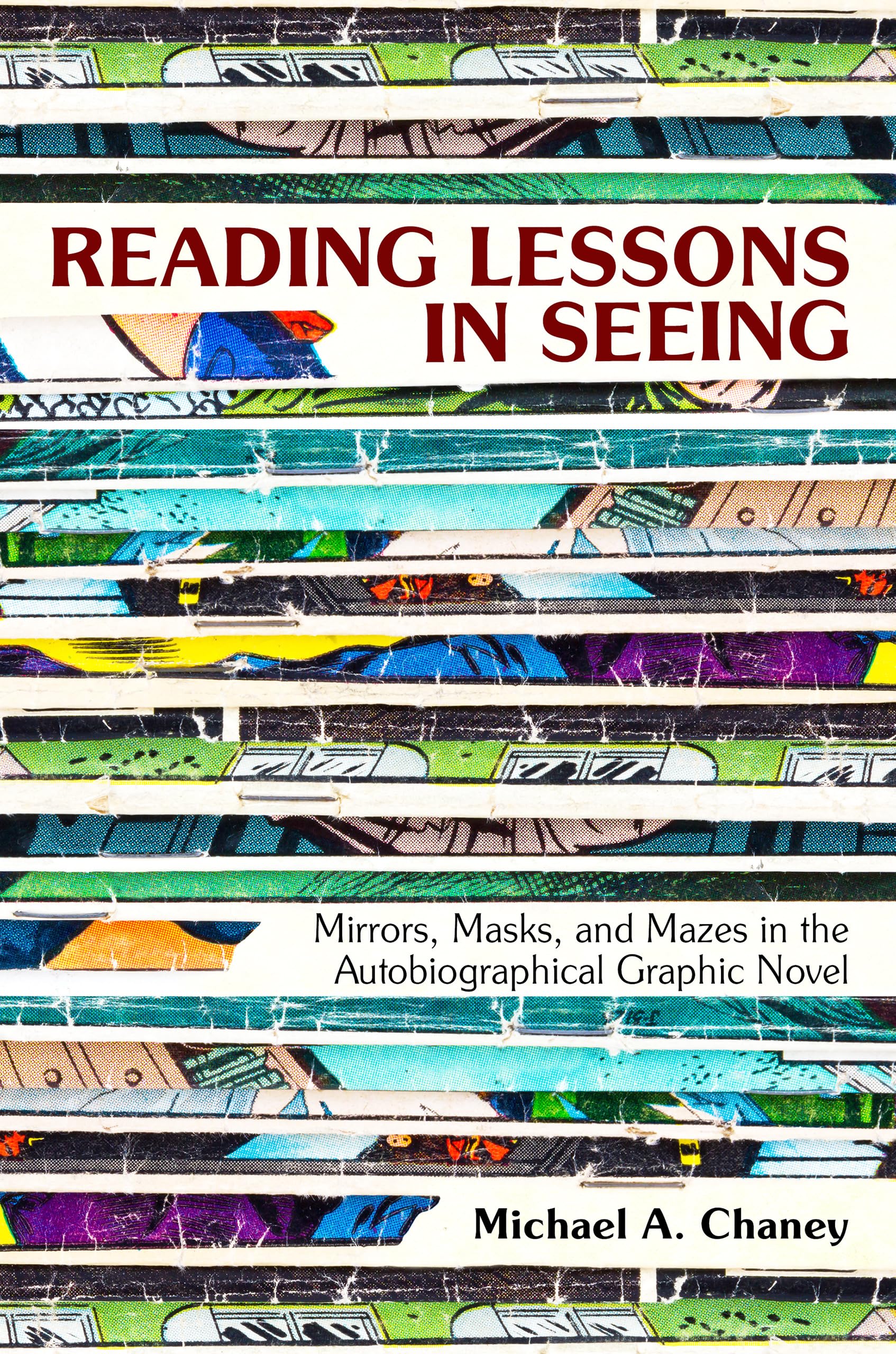
Title
Reading Lessons in Seeing: Mirrors, Masks, and Mazes in the Autobiographical Graphic Novel,Used
Sold by Ergodebooks, an authorized reseller.
Returns accepted within 30 days | support@ergodebooks.com
Shipping Information
- Free Standard Shipping — United States only
- Processing Time: 3–5 business days
- Estimated Delivery: 6–10 business days after dispatch
- Double-boxed, fully insured & discreetly packaged
- Tracking number sent via email once dispatched
Returns & Refund
Returns accepted within 30 days of delivery.
Damaged or Defective Item
Free return shipping + replacement or full refund
Wrong Item Received
Free return shipping + replacement or full refund
Change of Mind
Return shipping at customer's expense · 25% restocking fee applies
Payment Option

Literary scholar Michael A. Chaney examines graphic novels to illustrate that in form and function they inform readers on how they ought to be read. His arguments result in an innovative analysis of the various knowledges that comics produce and the methods artists and writers employ to convey them. Theoretically eclectic, this study attends to the lessons taught by both the form and content of today's most celebrated graphic novels.Chaney analyzes the embedded lessons in comics and graphic novels through the form's central tropes: the iconic child storyteller and the inherent childishness of comics in American culture; the use of mirrors and masks as ciphers of the unconscious; embedded puzzles and games in otherwise storydriven comic narratives; and the form's selfreflexive propensity for showing its work. Comics reveal the labor that goes into producing them, embedding lessons on how to read the 'work' as a whole.Throughout, Chaney draws from a range of theoretical insights from psychoanalysis and semiotics to theories of reception and production from film studies, art history, and media studies. Some of the major texts examined include Marjane Satrapi's Persepolis; Chris Ware's Jimmy Corrigan: The Smartest Kid on Earth; Joe Sacco's Palestine; David B.'s Epileptic; Kyle Baker's Nat Turner; and many more. As Chaney's examples show, graphic novels teach us even as they create meaning in their infinite relay between words and pictures.
⚠️ WARNING (California Proposition 65):
This product may contain chemicals known to the State of California to cause cancer, birth defects, or other reproductive harm.
For more information, please visit www.P65Warnings.ca.gov.