If you have any questions, you are always welcome to contact us. We'll get back to you as soon as possible, withing 24 hours on weekdays.
Customer service
All questions about your order, return and delivery must be sent to our customer service team by e-mail at yourstore@yourdomain.com
Sale & Press
If you are interested in selling our products, need more information about our brand or wish to make a collaboration, please contact us at press@yourdomain.com
Help
If you have any questions, you are always welcome to contact us. We'll get back to you as soon as possible, withing 24 hours on weekdays.
Customer service
All questions about your order, return and delivery must be sent to our customer service team by e-mail at yourstore@yourdomain.com
Sale & Press
If you are interested in selling our products, need more information about our brand or wish to make a collaboration, please contact us at press@yourdomain.com
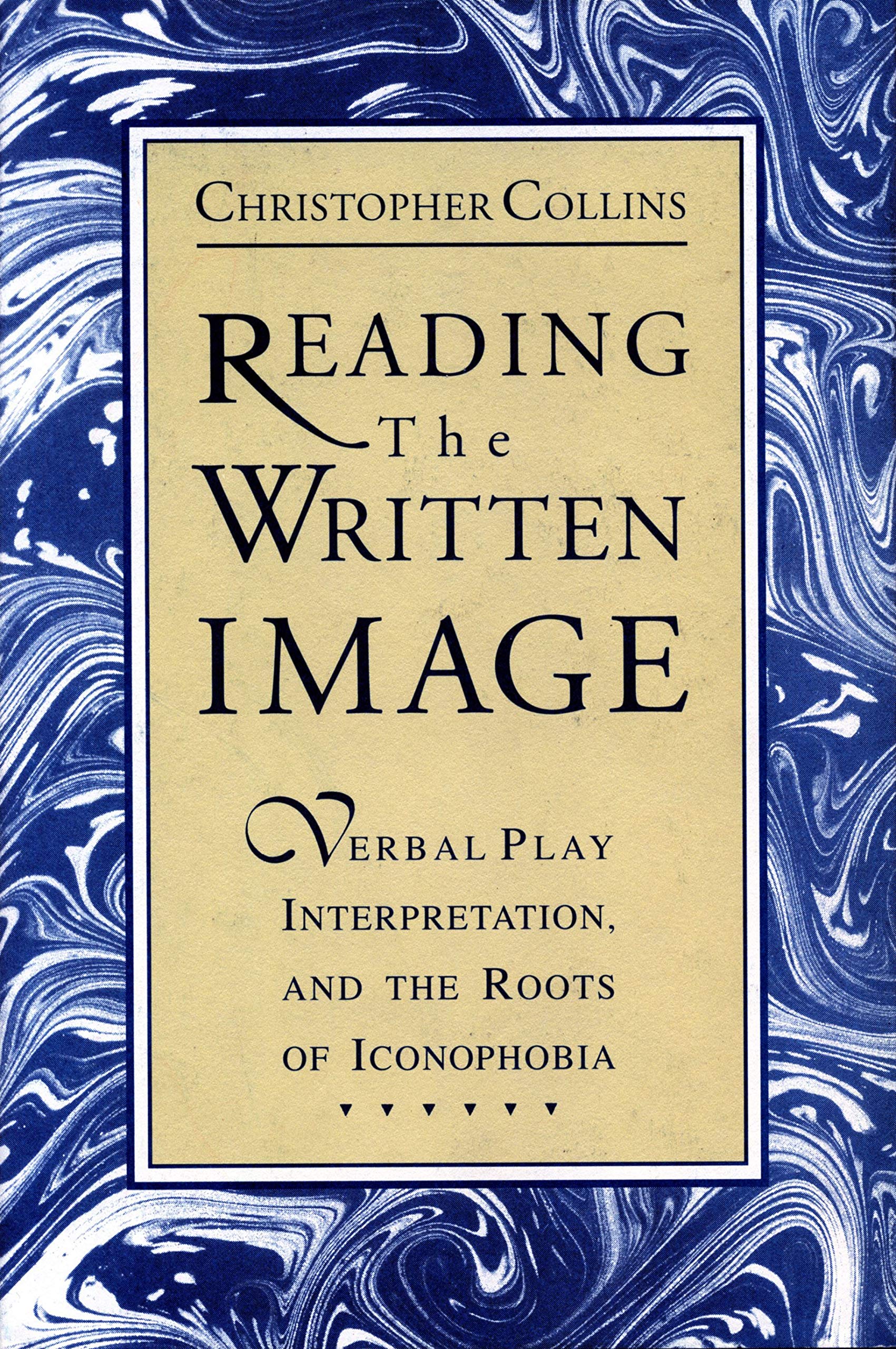
Reading the Written Image is a study of the imagination as it is prompted by the verbal cues of literature. Since every literary image is also a mental image, a representation of an absent entity, Collins contends that imagination is a poiesis, a makingup, an act of play for both author and reader. The "willing suspension of disbelief," which Coleridge said "constitutes poetic faith," therefore empowers and directs the reader to construct an imagined world in which particular hypotheses are proposed and demonstrated.Although the imagination as a central concept in poetics emerges into critical debate only in the eighteenth century, it has been a crucial issue for over two millennia in religious, philosophical, and political discourse. The two recognized alternative methodologies in the study of literature, the poetic and the hermeneutic, are opposed on the issue of the written image: poets and readers feel free to imagine, while hermeneuts feel obliged to specify the meanings of images and, failing that, to minimize the importance of imagery. Recognizing this problem, Collins proposes that reading written texts be regarded as a performance, a unique kind of play that transposes what had once been an oraldramatic situation onto an inner, imaginary stage. He applies models drawn from the psychology of play to support his theory that reader response is essentially a poietic response to a rulegoverned set of ludic cues.
⚠️ WARNING (California Proposition 65):
This product may contain chemicals known to the State of California to cause cancer,
birth defects, or other reproductive harm.
For MAP (Minimum Advertised Price) violations and Intellectual Property (IP) or Trademark concerns, please contact:
support@ergodebooks.com
⚠️ California Proposition 65 Warning: Some products sold on this website may expose you to chemicals known to the State of California to cause cancer, birth defects, or other reproductive harm. For more information, visit www.P65Warnings.ca.gov.