
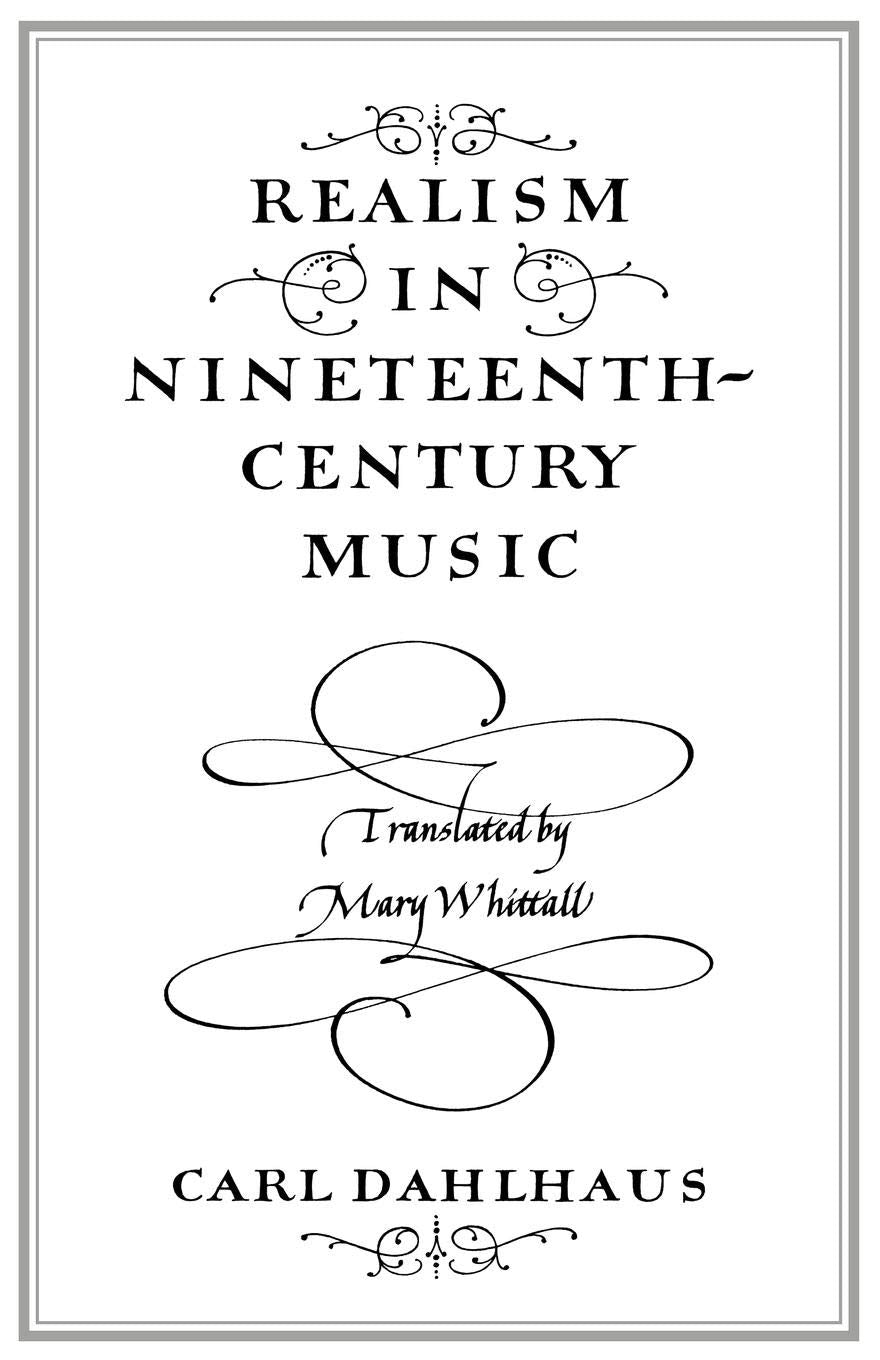
Title
Realism In Nineteenthcentury Music,New
Sold by Ergodebooks, an authorized reseller.
Returns accepted within 30 days | support@ergodebooks.com
Shipping Information
- Free Standard Shipping — United States only
- Processing Time: 3–5 business days
- Estimated Delivery: 6–10 business days after dispatch
- Double-boxed, fully insured & discreetly packaged
- Tracking number sent via email once dispatched
Returns & Refund
Returns accepted within 30 days of delivery.
Damaged or Defective Item
Free return shipping + replacement or full refund
Wrong Item Received
Free return shipping + replacement or full refund
Change of Mind
Return shipping at customer's expense · 25% restocking fee applies
Payment Option

The Music Of The Nineteenth Century Was And Still Is Thought Of As A 'Romantic' Art, Whereas The Main Current Of The Literature And Fine Arts Of The Age Was 'Realist' From About 1830. Yet Some Works Are Consistently Described As 'Realistic': Nusorgsky'S Boris And Bizet'S Carmen Are Only The Most Frequently Cited Examples. Professor Dahlhaus Sets Out The Criteria Of Realism, With Particular Reference To French And German Theorists And Examines The Extent To Which They Apply To Music Too. While His Findings Do Not Reverse The Verdict That The Music Of The Age Was In General Romantic, He Demonstrates That Musical Realism Consists In Much More Than Imitation Of Natural Sounds Or Tonepainting. The Notes Are Revised Here For The Englishspeaking Reader.
⚠️ WARNING (California Proposition 65):
This product may contain chemicals known to the State of California to cause cancer, birth defects, or other reproductive harm.
For more information, please visit www.P65Warnings.ca.gov.
- Q: What is the page count of 'Realism in Nineteenth-Century Music'? A: The book has one hundred forty pages. This length allows for a thorough exploration of the subject matter.
- Q: What are the dimensions of this book? A: The book measures five point five one inches in length, zero point three five inches in width, and eight point five inches in height. These dimensions make it a compact paperback.
- Q: What type of binding does this book have? A: This book is a paperback. Paperback bindings are flexible and lightweight, making them easy to carry.
- Q: Who is the author of 'Realism in Nineteenth-Century Music'? A: The author is Carl Dahlhaus. His expertise in music theory enriches the content of this book.
- Q: What is the main theme of this book? A: The book discusses the concept of realism in nineteenth-century music. It contrasts this with the romantic tendencies prevalent during that era.
- Q: Is this book suitable for beginners in music theory? A: Yes, this book can be suitable for beginners. It outlines complex ideas in a way that is accessible to those new to music theory.
- Q: How do I read or study this book effectively? A: To study this book effectively, take notes on key concepts and refer to the examples provided. Understanding the context of each musical piece discussed will enhance comprehension.
- Q: Is there a specific audience for this book? A: Yes, it is primarily aimed at students and enthusiasts of music theory. Those interested in the intersection of music and literary movements will find it particularly relevant.
- Q: What is the best way to store this book? A: Store this book in a cool, dry place away from direct sunlight. This will help preserve its condition over time.
- Q: Can this book be easily cleaned if it gets dirty? A: Yes, you can gently wipe the cover with a soft cloth. Avoid using any cleaning solutions that may damage the material.
- Q: What if the book arrives damaged? A: If the book arrives damaged, you should contact the seller for a return or exchange. Most sellers offer a satisfaction guarantee.
- Q: Is there a warranty for this book? A: No, there is typically no warranty for books. However, check the retailer's return policy for specific guidelines.
- Q: How does this book compare to other music theory works? A: This book provides a unique perspective on realism, distinguishing it from other works that may focus solely on romanticism in music.
- Q: Does this book cover specific musical pieces? A: Yes, it discusses notable works such as Mussorgsky's 'Boris' and Bizet's 'Carmen.' These examples illustrate the concepts of realism in music.
- Q: Is there any adult content in this book? A: No, this book contains no adult content. It is focused on music theory and is suitable for general audiences.
- Q: What should I do if I have questions while reading this book? A: If you have questions, consider seeking discussion groups or online forums dedicated to music theory. Engaging with others can enhance your understanding.