If you have any questions, you are always welcome to contact us. We'll get back to you as soon as possible, withing 24 hours on weekdays.
Customer service
All questions about your order, return and delivery must be sent to our customer service team by e-mail at yourstore@yourdomain.com
Sale & Press
If you are interested in selling our products, need more information about our brand or wish to make a collaboration, please contact us at press@yourdomain.com
Help
If you have any questions, you are always welcome to contact us. We'll get back to you as soon as possible, withing 24 hours on weekdays.
Customer service
All questions about your order, return and delivery must be sent to our customer service team by e-mail at yourstore@yourdomain.com
Sale & Press
If you are interested in selling our products, need more information about our brand or wish to make a collaboration, please contact us at press@yourdomain.com
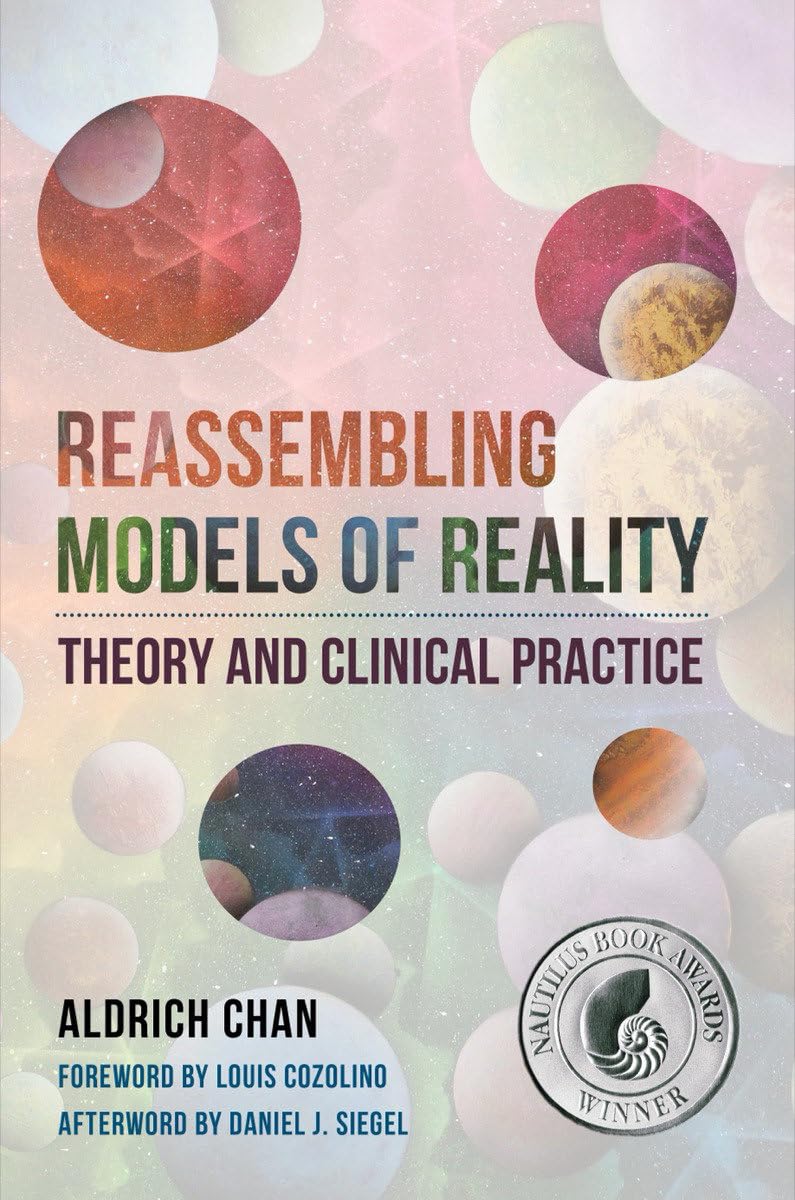
Nautilus Book Awards Winner in Psychology/Mental & Emotional WellBeingStudies from neuropsychology and ideas in philosophy are combined to better understand consciousness and the systems that filter human experience. In addition, the author shares potential treatments and musings on the nature of reality.Therapists must rely on their clients' reporting of experience in order to assess, treat, and offer help. Yet we all experience the world through various filters of one sort or another, and our experiences are transformed through several nonconscious processes before reaching our conscious awareness. Science, philosophy, and wisdom traditions share the belief that our awareness is very restricted. How, then, can anyone accurately report their experience, let alone get help with it?Neuropsychologist Aldrich Chan examines how our experience of reality is assembled and shaped by biological, psychological, sociocultural, and existential processes. Each chapter explores processes within these domains that may act as "veils." Topics in the book include: the default mode network, cognitive distortions, decisionmaking heuristics, the interconnected mind, memory, and cultural concepts of distress. By understanding the ways in which reality can be distorted, clinicians can more effectively help their clients reach their personal psychotherapeutic goals.46 blackandwhite illustrations
⚠️ WARNING (California Proposition 65):
This product may contain chemicals known to the State of California to cause cancer,
birth defects, or other reproductive harm.
For MAP (Minimum Advertised Price) violations and Intellectual Property (IP) or Trademark concerns, please contact:
support@ergodebooks.com
⚠️ California Proposition 65 Warning: Some products sold on this website may expose you to chemicals known to the State of California to cause cancer, birth defects, or other reproductive harm. For more information, visit www.P65Warnings.ca.gov.