
Title
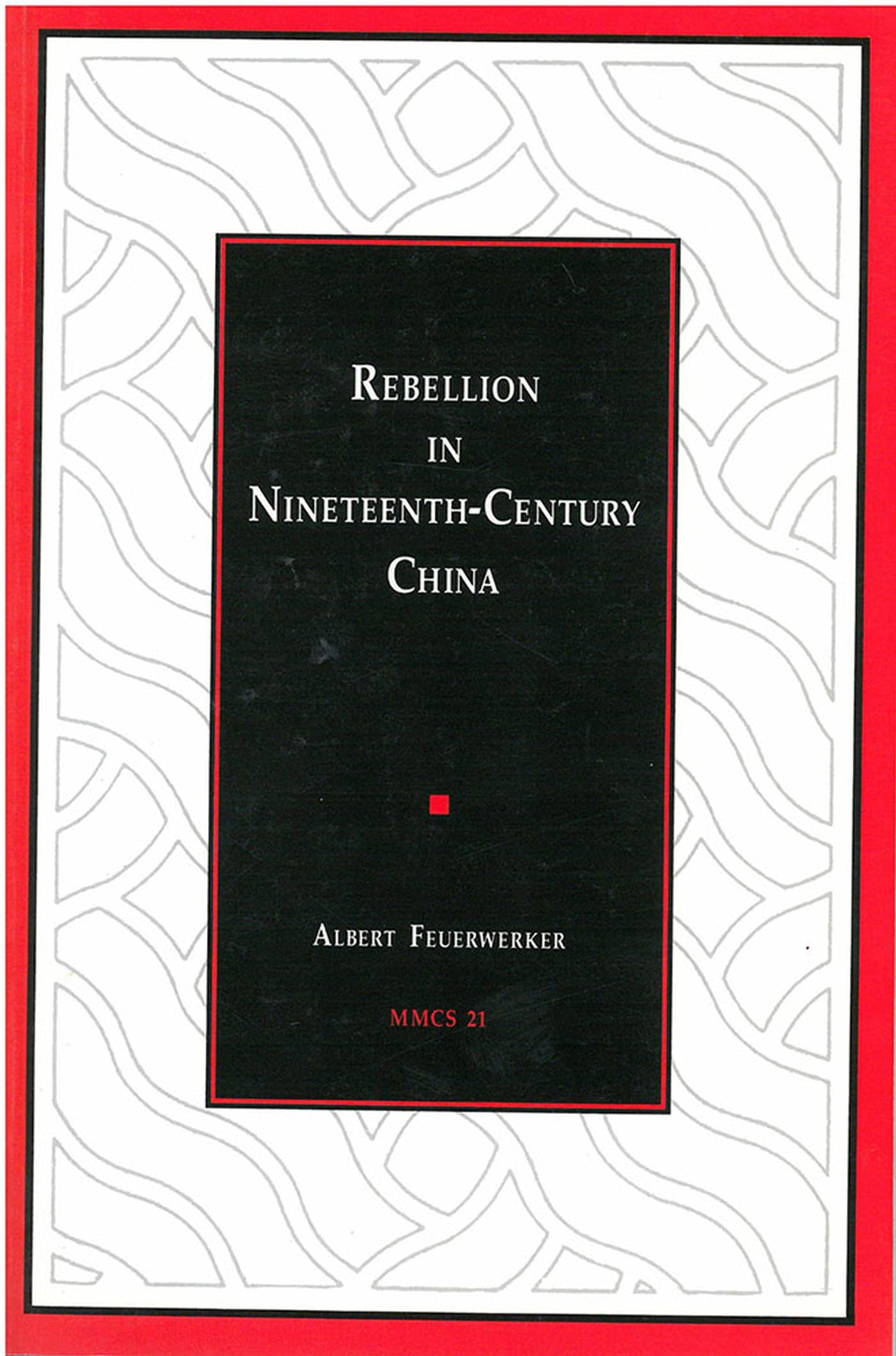
Rebellion in NineteenthCentury China (Volume 21) (Michigan Monographs In Chinese Studies),Used
Sold by Ergodebooks, an authorized reseller.
Returns accepted within 30 days | support@ergodebooks.com
Shipping Information
- Free Standard Shipping — United States only
- Processing Time: 3–5 business days
- Estimated Delivery: 6–10 business days after dispatch
- Double-boxed, fully insured & discreetly packaged
- Tracking number sent via email once dispatched
Returns & Refund
Returns accepted within 30 days of delivery.
Damaged or Defective Item
Free return shipping + replacement or full refund
Wrong Item Received
Free return shipping + replacement or full refund
Change of Mind
Return shipping at customer's expense · 25% restocking fee applies
Payment Option

Popular rebellion in China was usually the undertaking of the mostly illiterate lower classes, sometimes inspired or assisted by a handful of disaffected intellectuals. The written record of these events is, on the other hand, overwhelmingly the product of literate men of power and wealth who suppressed these challenges to their authority and status. Added to this imbalance in the written record, an inverse problem has emerged in twentiethcentury characterizations by historians in the Peoples Republic of China. Communist historiography classifies these events as peasant uprisings (nungmin chiii, literally righteous uprisings of the peasantry) in an attempt to construct a new, popular, and progressive past.Charting a course between these two modes, Rebellion in NineteenthCentury China discusses domestic disorder with more nuance, considering the sources of social dissidence, the varieties of domestic rebellion, the responses of the state and society to such uprisings, and the consequences of rebellion and suppression for a dynasty already shaken by foreign invasion. Emphasizing the number and variety of these uprisings, Feuerwerker places them within a hierarchy of dissidence that distinguishes between 1) spontaneous, usually smallscale and local antiofficial or antilandlord actions, 2) interlineage and communal feuds, 3) the religion and secular underworld, 4) banditry, 5) rebellion, and 6) revolution. By distinguishing their contexts and causes, Feuerwerker describes and analyzes as one broad social phenomenon a remarkable number and variety of unsuccessful challenges to the Manchu regime.
⚠️ WARNING (California Proposition 65):
This product may contain chemicals known to the State of California to cause cancer, birth defects, or other reproductive harm.
For more information, please visit www.P65Warnings.ca.gov.