If you have any questions, you are always welcome to contact us. We'll get back to you as soon as possible, withing 24 hours on weekdays.
Customer service
All questions about your order, return and delivery must be sent to our customer service team by e-mail at yourstore@yourdomain.com
Sale & Press
If you are interested in selling our products, need more information about our brand or wish to make a collaboration, please contact us at press@yourdomain.com
Help
If you have any questions, you are always welcome to contact us. We'll get back to you as soon as possible, withing 24 hours on weekdays.
Customer service
All questions about your order, return and delivery must be sent to our customer service team by e-mail at yourstore@yourdomain.com
Sale & Press
If you are interested in selling our products, need more information about our brand or wish to make a collaboration, please contact us at press@yourdomain.com
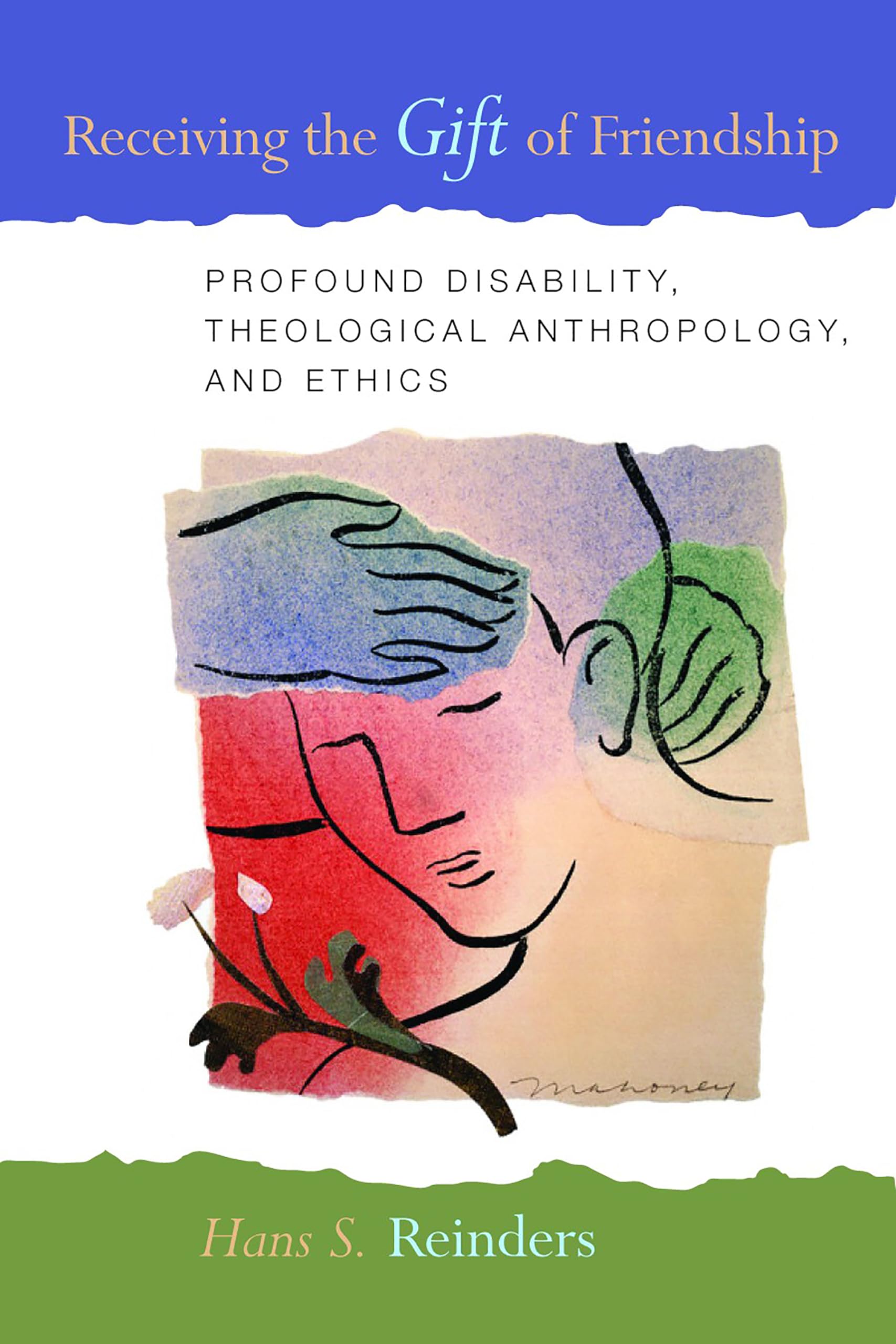
Does what we are capable of doing define us as human beings? If this basic anthropological assumption is true, where can that leave those with intellectual disabilities, unable to accomplish the things that we propose give us our very humanity? Hans Reinders here makes an unusual claim about unusual people: those who are profoundly disabled are people just like the rest of us.He acknowledges that, at first glance, this is not an unusual claim given the steps taken within the last few decades to bring the rights of those with disabilities into line with the rights of the mainstream. But, he argues, that cannot be the end of the matter, because the disabled are human beings before they are citizens. 'To live a human life properly,' he says, 'they must not only be included in our institutions and have access to our public spaces; they must also be included in other people's lives, not just by natural necessity but by choice.'Receiving the Gift of Friendship consists of three parts: (1) Profound Disability, (2) Theology, and (3) Ethics. Overturning the 'commonsense' view of human beings, Reinders's argument for a paradigm shift in our relation to people with disabilities is founded on a groundbreaking philosophicaltheological consideration of humanity and of our basic human commonality. Moreover, Reinders gives his study human vividness and warmth with stories of the profoundly disabled from his own life and from the work of Jean Vanier and Henri Nouwen in L'Arche communities.
⚠️ WARNING (California Proposition 65):
This product may contain chemicals known to the State of California to cause cancer,
birth defects, or other reproductive harm.
For MAP (Minimum Advertised Price) violations and Intellectual Property (IP) or Trademark concerns, please contact:
support@ergodebooks.com
⚠️ California Proposition 65 Warning: Some products sold on this website may expose you to chemicals known to the State of California to cause cancer, birth defects, or other reproductive harm. For more information, visit www.P65Warnings.ca.gov.