
Title
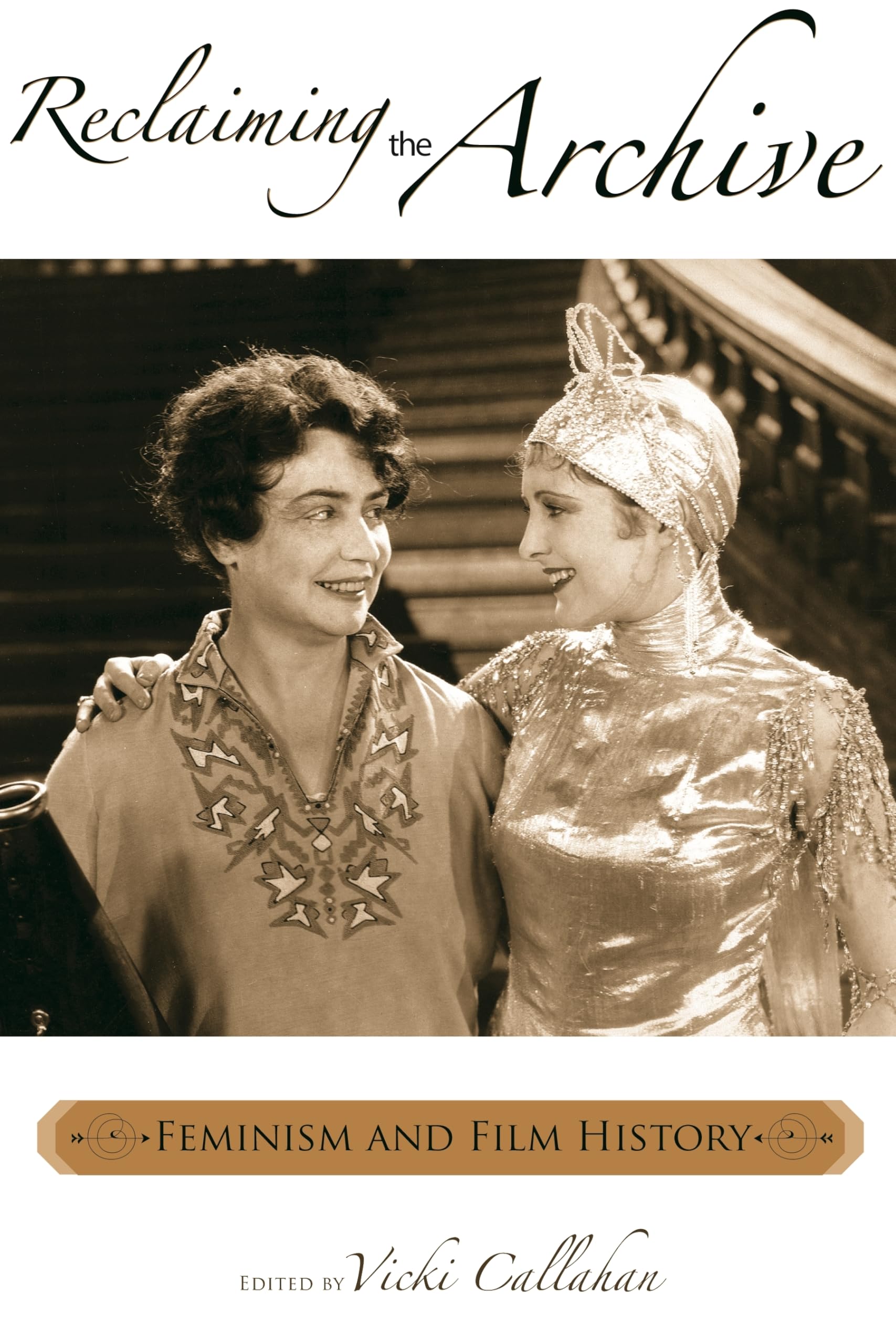
Reclaiming The Archive: Feminism And Film History (Contemporary Approaches To Film And Media Studies)
Sold by Ergodebooks, an authorized reseller.
Returns accepted within 30 days | support@ergodebooks.com
Shipping Information
- Free Standard Shipping — United States only
- Processing Time: 3–5 business days
- Estimated Delivery: 6–10 business days after dispatch
- Double-boxed, fully insured & discreetly packaged
- Tracking number sent via email once dispatched
Returns & Refund
Returns accepted within 30 days of delivery.
Damaged or Defective Item
Free return shipping + replacement or full refund
Wrong Item Received
Free return shipping + replacement or full refund
Change of Mind
Return shipping at customer's expense · 25% restocking fee applies
Payment Option

Reclaiming The Archive: Feminism And Film History Brings Together A Diverse Group Of International Feminist Scholars To Examine The Intersections Of Feminism, History, And Feminist Theory In Film. Editor Vicki Callahan Has Assembled Essays That Reflect A Range Of Methodological Approachesincluding Archival Work, Visual Culture, Reception Studies, Biography, Ethnohistorical Studies, Historiography, And Textual Analysisby A Diverse Group Of Film And Media Studies Scholars To Prove That Feminist Theory, Film History, And Social Practice Are Inevitably And Productively Intertwined.Essays In Reclaiming The Archive Investigate The Different Models Available In Feminist Film History And How Those Feminist Strategies Might Serve As Paradigmatic For Other Sites Of Feminist Intervention. Chapters Have An International Focus And Range Chronologically From Early Cinema To Postfeminist Texts, Organized Around The Key Areas Of Reception, Stars, And Authorship. A Final Section Examines The Very Definitions Of Feminism (Postfeminism), Cinema (Transmedia), And Archives (Virtual And Online) In Place Today.The Essays In Reclaiming The Archive Prove That A Significant Heritage Of Film Studies Lies In The Study Of Feminism In Film And Feminist Film Theory. Scholars Of Film History And Feminist Studies Will Appreciate The Breadth Of Work In This Volume.
⚠️ WARNING (California Proposition 65):
This product may contain chemicals known to the State of California to cause cancer, birth defects, or other reproductive harm.
For more information, please visit www.P65Warnings.ca.gov.
- Q: How many pages does this book have? A: This book has four hundred sixty pages. It provides a comprehensive overview of feminism and film history through various essays.
- Q: What are the dimensions of this book? A: The dimensions of this book are five point seventy-five inches in length, zero point ninety-eight inches in width, and eight point seventy-four inches in height. These measurements make it a standard paperback size.
- Q: What is the binding type of this book? A: This book is paperback bound. This type of binding is common for academic publications and makes it lightweight and flexible.
- Q: Who is the author of this book? A: The author of this book is Vicki Callahan. She has gathered contributions from various international feminist scholars.
- Q: What is the main theme of this book? A: The main theme of this book is the intersection of feminism and film history. It explores how feminist theory influences film studies.
- Q: Is this book suitable for beginners in film studies? A: Yes, this book is suitable for beginners in film studies. It provides accessible essays that introduce key concepts in feminist film theory.
- Q: How do I use this book for academic research? A: You can use this book as a reference for feminist film theory and history. Each essay offers methodologies and insights that can enhance your research.
- Q: Can I read this book if I'm not familiar with feminist theory? A: Yes, you can read this book even if you're not familiar with feminist theory. The essays are designed to educate readers on the subject.
- Q: How should I store this book to keep it in good condition? A: Store this book in a cool, dry place, away from direct sunlight. This will help preserve the quality of the paperback binding and pages.
- Q: Does this book have any special care instructions? A: No, this book does not have any special care instructions. Regular handling and storage will keep it in good condition.
- Q: What if the book arrives damaged? A: If the book arrives damaged, you should contact the seller for a return or exchange. Most retailers have policies in place for damaged items.
- Q: Is this book appropriate for educational settings? A: Yes, this book is appropriate for educational settings. It is suitable for university courses focusing on film studies and feminist theory.
- Q: Are there any illustrations or visual content in this book? A: No, this book does not contain illustrations or visual content. It primarily consists of text-based essays.
- Q: Can this book be used for group discussions? A: Yes, this book can be used for group discussions. The essays provoke thoughtful dialogue on feminism and film history.
- Q: Is this book part of a series? A: No, this book is not part of a series. It is a standalone publication that contributes to the field of feminist film studies.
- Q: What is the publisher of this book? A: The publisher of this book is Wayne State University Press. They specialize in academic publications.