
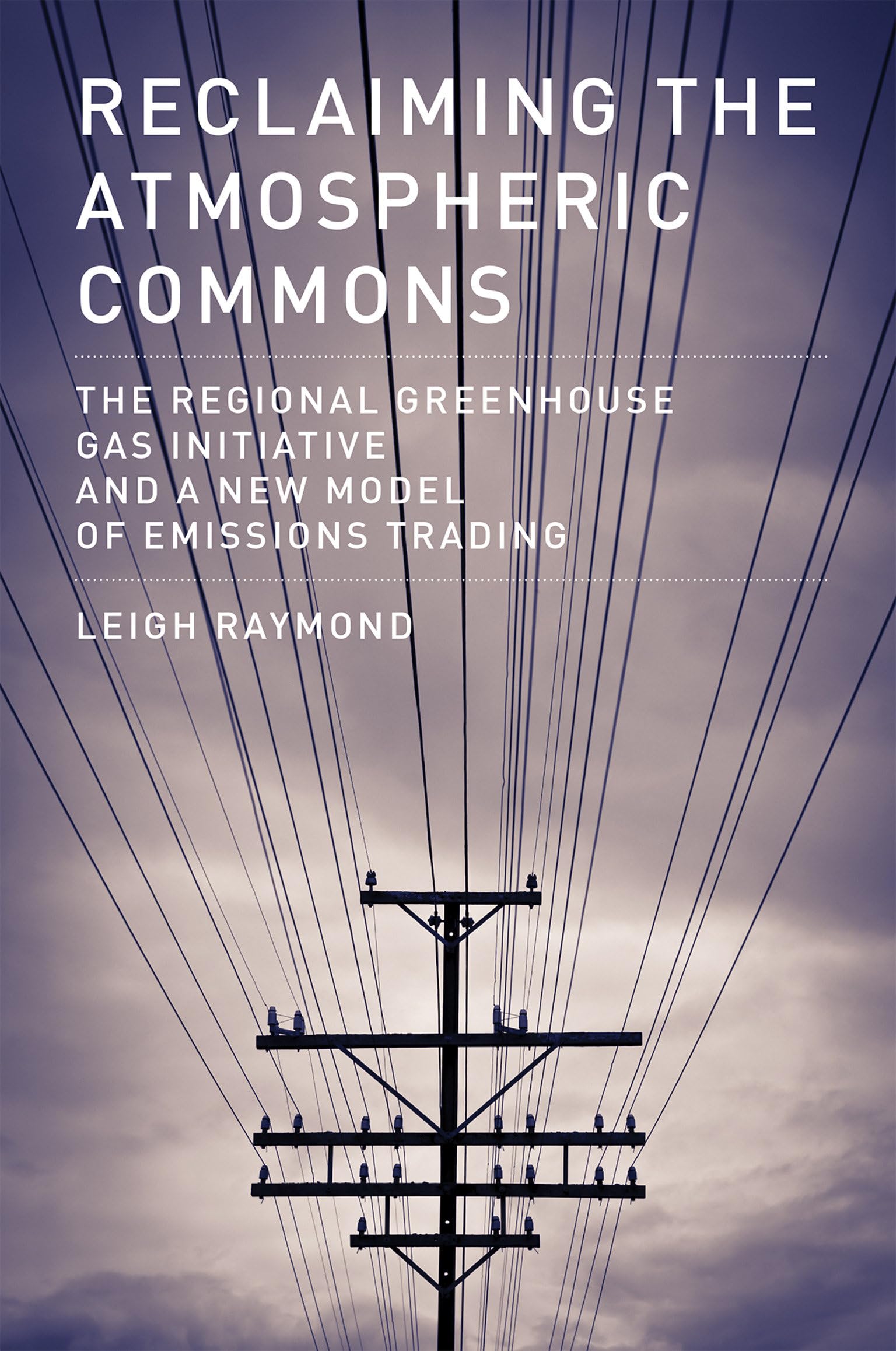
Title
Reclaiming the Atmospheric Commons: The Regional Greenhouse Gas Initiative and a New Model of Emissions Trading (American and Co,Used
Sold by Ergodebooks, an authorized reseller.
Returns accepted within 30 days | support@ergodebooks.com
Shipping Information
- Free Standard Shipping — United States only
- Processing Time: 3–5 business days
- Estimated Delivery: 6–10 business days after dispatch
- Double-boxed, fully insured & discreetly packaged
- Tracking number sent via email once dispatched
Returns & Refund
Returns accepted within 30 days of delivery.
Damaged or Defective Item
Free return shipping + replacement or full refund
Wrong Item Received
Free return shipping + replacement or full refund
Change of Mind
Return shipping at customer's expense · 25% restocking fee applies
Payment Option

How the Regional Greenhouse Gas Initiative created a new paradigm in climate policy by requiring polluters to pay for their emissions for the first time.In 2008, a group of states in the northeast United States launched an emissions trading program, the Regional Greenhouse Gas Initiative (RGGI). With RGGI, these statesConnecticut, Delaware, Maine, Maryland, Massachusetts, New Hampshire, New Jersey, New York, Rhode Island, and Vermontachieved what had been considered politically impossible: they forced polluters to pay the public for their emissions. The states accomplished this by conducting auctions of emissions allowances; by 2014, they had raised more than $2.2 billion in revenues. In this first indepth examination of RGGI, Leigh Raymond describes this revolutionary and influential policy model and explains the practical and theoretical implications for climate policy.Other capandtrade schemes had been criticized for providing private profits rather than public benefits, allowing private firms to make money by buying and selling valuable rights to pollute. RGGI, by contrast, directed virtually all emissions auction revenues to programs benefiting the public at large. By reframing the issue in terms of public benefits, environmental advocates emphasized the public ownership of the atmospheric commons and private corporations' responsibility to pay for their use of it.Raymond argues that this kind of normative reframing is significant not only for environmental policy making but also for theories of the policy process, helping to explain and predict sudden policy change.
⚠️ WARNING (California Proposition 65):
This product may contain chemicals known to the State of California to cause cancer, birth defects, or other reproductive harm.
For more information, please visit www.P65Warnings.ca.gov.