If you have any questions, you are always welcome to contact us. We'll get back to you as soon as possible, withing 24 hours on weekdays.
Customer service
All questions about your order, return and delivery must be sent to our customer service team by e-mail at yourstore@yourdomain.com
Sale & Press
If you are interested in selling our products, need more information about our brand or wish to make a collaboration, please contact us at press@yourdomain.com
Help
If you have any questions, you are always welcome to contact us. We'll get back to you as soon as possible, withing 24 hours on weekdays.
Customer service
All questions about your order, return and delivery must be sent to our customer service team by e-mail at yourstore@yourdomain.com
Sale & Press
If you are interested in selling our products, need more information about our brand or wish to make a collaboration, please contact us at press@yourdomain.com
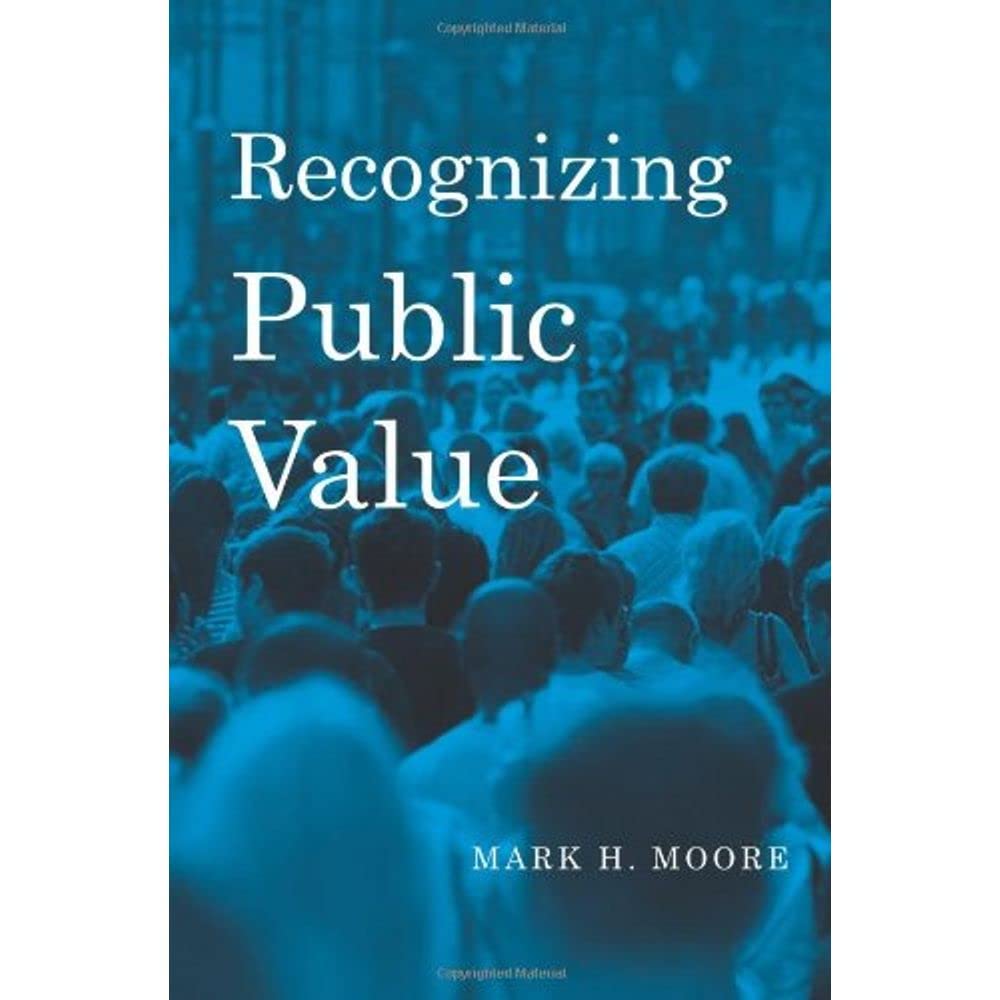
Mark H. Moores now classic Creating Public Value offered advice to public managers about how to create public value. But that book left a key question unresolved: how could one recognize (in an accounting sense) when public value had been created? Here, Moore closes the gap by setting forth a philosophy of performance measurement that will help public managers name, observe, and sometimes count the value they produce, whether in education, public health, safety, crime prevention, housing, or other areas. Blending case studies with theory, he argues that private sector models built on customer satisfaction and the bottom line cannot be transferred to government agencies. The Public Value Account (PVA), which Moore develops as an alternative, outlines the values that citizens want to see produced by, and reflected in, agency operations. These include the achievement of collectively defined missions, the fairness with which agencies operate, and the satisfaction of clients and other stakeholders.But strategic public managers also have to imagine and execute strategies that sustain or increase the value they create into the future. To help public managers with that task, Moore offers a Public Value Scorecard that focuses on the actions necessary to build legitimacy and support for the envisioned value, and on the innovations that have to be made in existing operational capacity.Using his scorecard, Moore evaluates the realworld management strategies of such former public managers as D.C. Mayor Anthony Williams, NYPD Commissioner William Bratton, and Commissioner of the Minnesota Department of Revenue John James.
⚠️ WARNING (California Proposition 65):
This product may contain chemicals known to the State of California to cause cancer,
birth defects, or other reproductive harm.
For MAP (Minimum Advertised Price) violations and Intellectual Property (IP) or Trademark concerns, please contact:
support@ergodebooks.com
⚠️ California Proposition 65 Warning: Some products sold on this website may expose you to chemicals known to the State of California to cause cancer, birth defects, or other reproductive harm. For more information, visit www.P65Warnings.ca.gov.