If you have any questions, you are always welcome to contact us. We'll get back to you as soon as possible, withing 24 hours on weekdays.
Customer service
All questions about your order, return and delivery must be sent to our customer service team by e-mail at yourstore@yourdomain.com
Sale & Press
If you are interested in selling our products, need more information about our brand or wish to make a collaboration, please contact us at press@yourdomain.com
Help
If you have any questions, you are always welcome to contact us. We'll get back to you as soon as possible, withing 24 hours on weekdays.
Customer service
All questions about your order, return and delivery must be sent to our customer service team by e-mail at yourstore@yourdomain.com
Sale & Press
If you are interested in selling our products, need more information about our brand or wish to make a collaboration, please contact us at press@yourdomain.com
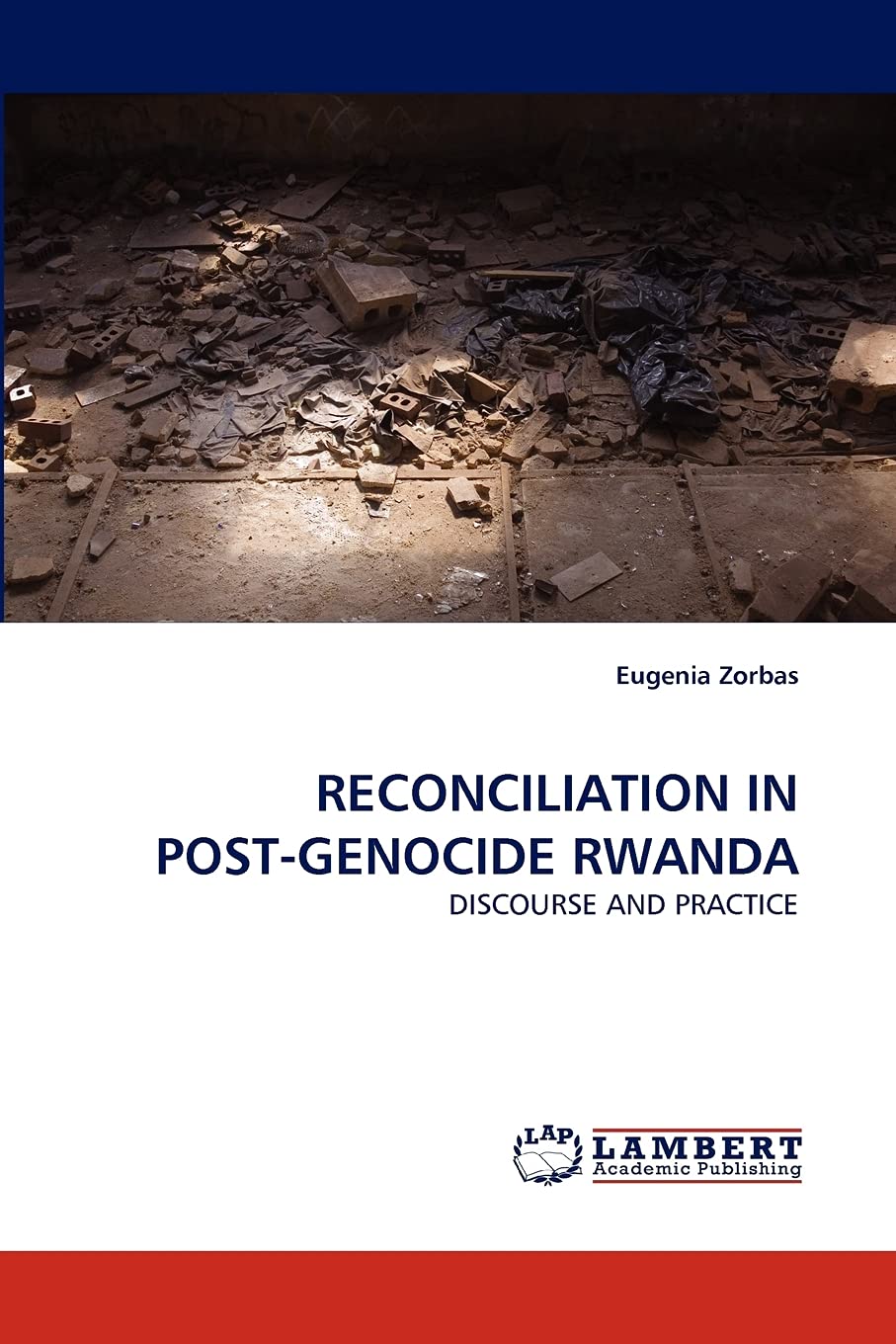
Many government and donor policies in postgenocide Rwanda have been justified in the name of reconciliation yet the term is rarely defined. This book analyses different discourses in order to unpack the nebulous concept. Among distinct constituencies ?the Rwandan government, elites, international donors, rural communities? there is some consensus on what reconciliation requires. Most saw the necessity of establishing degrees of responsibility and punishment for the genocide for example. Yet a government early prisoner release programme ostensibly established to implement this policy, was controversial. The term coexistence, not associated with government rhetoric, better matched interviewees' modest expectations for social relations after the genocide. Based on indepth interviews, explanatory factors for patterns of coexistence are posited, including that individual life stories since 1994 mattered more in explaining behaviours and attitudes than experiences during the genocide. Moreover the imposition of ?mandatory? reconciliation behaviours by Kigali was counterproductive. The book thus helps debunk important misconceptions about reconciliation and Rwandan politics and society.
⚠️ WARNING (California Proposition 65):
This product may contain chemicals known to the State of California to cause cancer,
birth defects, or other reproductive harm.
For MAP (Minimum Advertised Price) violations and Intellectual Property (IP) or Trademark concerns, please contact:
support@ergodebooks.com
⚠️ California Proposition 65 Warning: Some products sold on this website may expose you to chemicals known to the State of California to cause cancer, birth defects, or other reproductive harm. For more information, visit www.P65Warnings.ca.gov.