
Title
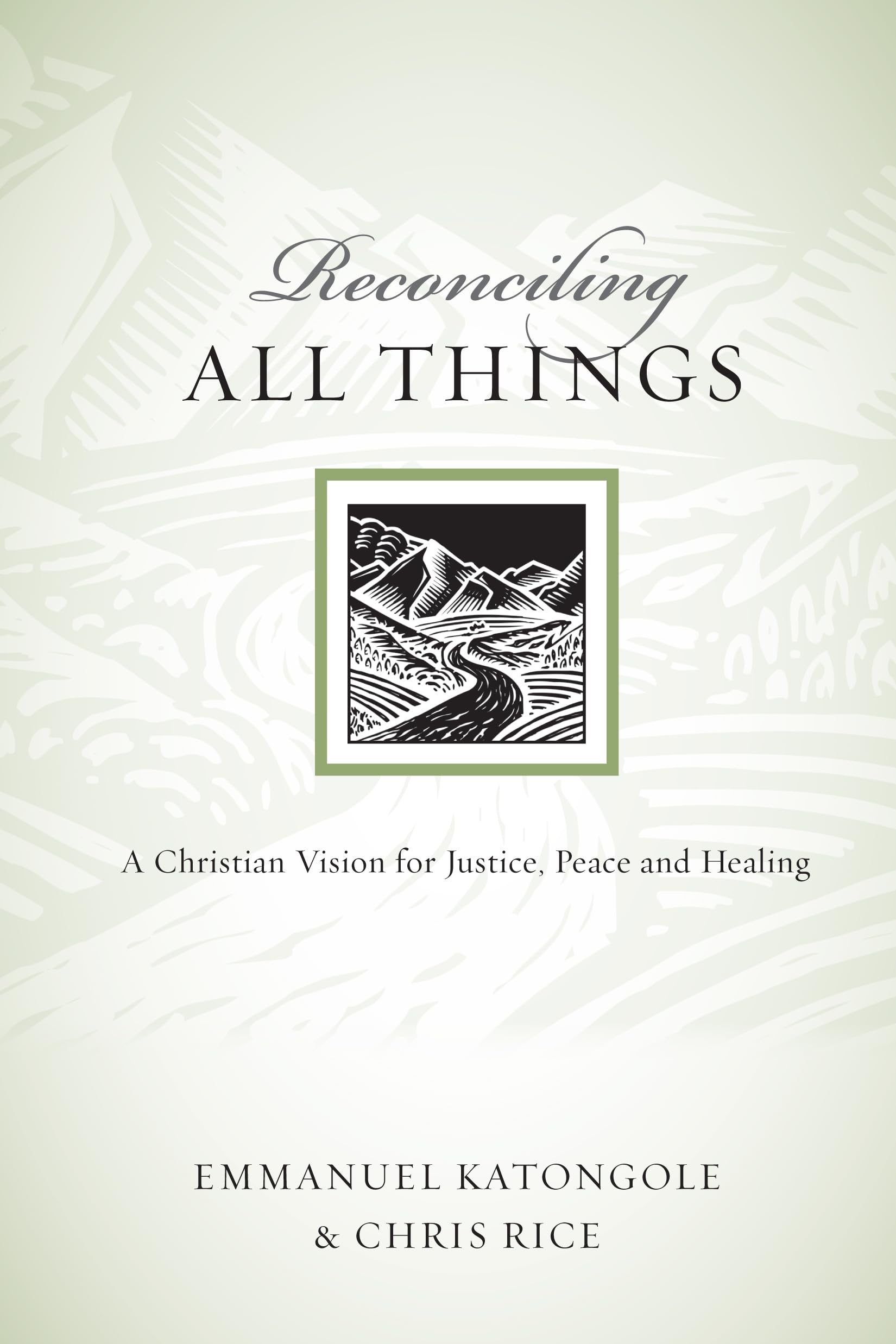
Reconciling All Things: A Christian Vision For Justice, Peace And Healing (Resources For Reconciliation),New
Sold by Ergodebooks, an authorized reseller.
Returns accepted within 30 days | support@ergodebooks.com
Shipping Information
- Free Standard Shipping — United States only
- Processing Time: 3–5 business days
- Estimated Delivery: 6–10 business days after dispatch
- Double-boxed, fully insured & discreetly packaged
- Tracking number sent via email once dispatched
Returns & Refund
Returns accepted within 30 days of delivery.
Damaged or Defective Item
Free return shipping + replacement or full refund
Wrong Item Received
Free return shipping + replacement or full refund
Change of Mind
Return shipping at customer's expense · 25% restocking fee applies
Payment Option

Christianity Today Book Award Winnerour World Is Broken And Cries Out For Reconciliation.But Mere Conflict Resolution And Peacemaking Are Not Enough. What Makes Real Reconciliation Possible? How Is It That Some People Are Able To Forgive The Most Horrendous Of Evils? And What Role Does God Play In These Stories? Does Reconciliation Make Any Sense Apart From The Biblical Story Of Redemption?Secular Models Of Peacemaking Are Insufficient. And The Church Has Not Always Fulfilled Its Call To Be Agents Of Reconciliation In The World. In Reconciling All Things Emmanuel Katongole And Chris Rice, Codirectors Of The Center For Reconciliation At Duke Divinity School, Cast A Comprehensive Vision For Reconciliation That Is Biblical, Transformative, Holistic And Global. They Draw On The Resources Of The Christian Story, Including Their Own Individual Experiences In Uganda And Mississippi, To Bring Solid, Theological Reflection To Bear On The Work Of Reconciling Individuals, Groups And Societies. They Recover Distinctively Christian Practices That Will Help The Church Be Both A Sign And An Agent Of God'S Reconciling Love In The Fragmented World Of The Twentyfirst Century.This Powerful, Concise Book Lays The Philosophical Foundations For Reconciliation And Explores What It Means To Pursue Hope In Areas Of Brokenness In Theory And Practice.
⚠️ WARNING (California Proposition 65):
This product may contain chemicals known to the State of California to cause cancer, birth defects, or other reproductive harm.
For more information, please visit www.P65Warnings.ca.gov.
- Q: What is the page count of the book? A: This book has one hundred sixty-seven pages. It provides a comprehensive examination of reconciliation from a Christian perspective.
- Q: What are the dimensions of the book? A: The book measures five point five one inches in length, zero point six inches in width, and eight point two seven inches in height.
- Q: What is the binding type of this book? A: The book is published in paperback binding. This makes it lightweight and easy to handle for reading.
- Q: How do I use this book for study? A: You can use this book as a resource for understanding Christian perspectives on reconciliation. It's suitable for group discussions or personal reflection.
- Q: Is this book appropriate for beginners in theology? A: Yes, this book is appropriate for beginners. It presents complex ideas in an accessible manner, making it suitable for those new to theological discussions.
- Q: Can this book be used as a study guide? A: Yes, it can be used as a study guide. The themes and concepts explored provide a solid foundation for further discussion and learning.
- Q: How should I store this book to keep it in good condition? A: Store the book in a cool, dry place away from direct sunlight. This will help preserve its condition and prevent damage.
- Q: Can I clean the cover of the book? A: Yes, you can gently wipe the cover with a soft, dry cloth. Avoid using water or cleaning solutions to prevent damage.
- Q: Is there a warranty on this book? A: No, there is no warranty for books. However, you may check the return policy of the seller if the book arrives damaged.
- Q: What if I find a defect in my book? A: If you find a defect, you should contact the seller for a return or exchange. Most sellers have a specific return policy for damaged items.
- Q: How does this book compare to others in its category? A: This book offers a unique Christian perspective on reconciliation, unlike many secular titles that focus solely on conflict resolution.
- Q: Is this book recommended for church study groups? A: Yes, it is highly recommended for church study groups. Its insights into reconciliation can facilitate meaningful discussions.
- Q: Does this book cover real-life stories? A: Yes, the book includes real-life stories from the authors' experiences in Uganda and Mississippi. These narratives enrich the theoretical content.
- Q: What themes are explored in the book? A: The book explores themes of justice, peace, healing, and the role of God in reconciliation. It provides a theological framework for understanding these concepts.
- Q: Is this book suitable for academic use? A: Yes, it is suitable for academic use. The theological reflections and practical applications make it a valuable resource for students.