
Title
Reconsidering Olmec Visual Culture: The Unborn, Women, And Creation (The William And Bettye Nowlin Series In Art, History, And C
Sold by Ergodebooks, an authorized reseller.
Returns accepted within 30 days | support@ergodebooks.com
Shipping Information
- Free Standard Shipping — United States only
- Processing Time: 3–5 business days
- Estimated Delivery: 6–10 business days after dispatch
- Double-boxed, fully insured & discreetly packaged
- Tracking number sent via email once dispatched
Returns & Refund
Returns accepted within 30 days of delivery.
Damaged or Defective Item
Free return shipping + replacement or full refund
Wrong Item Received
Free return shipping + replacement or full refund
Change of Mind
Return shipping at customer's expense · 25% restocking fee applies
Payment Option

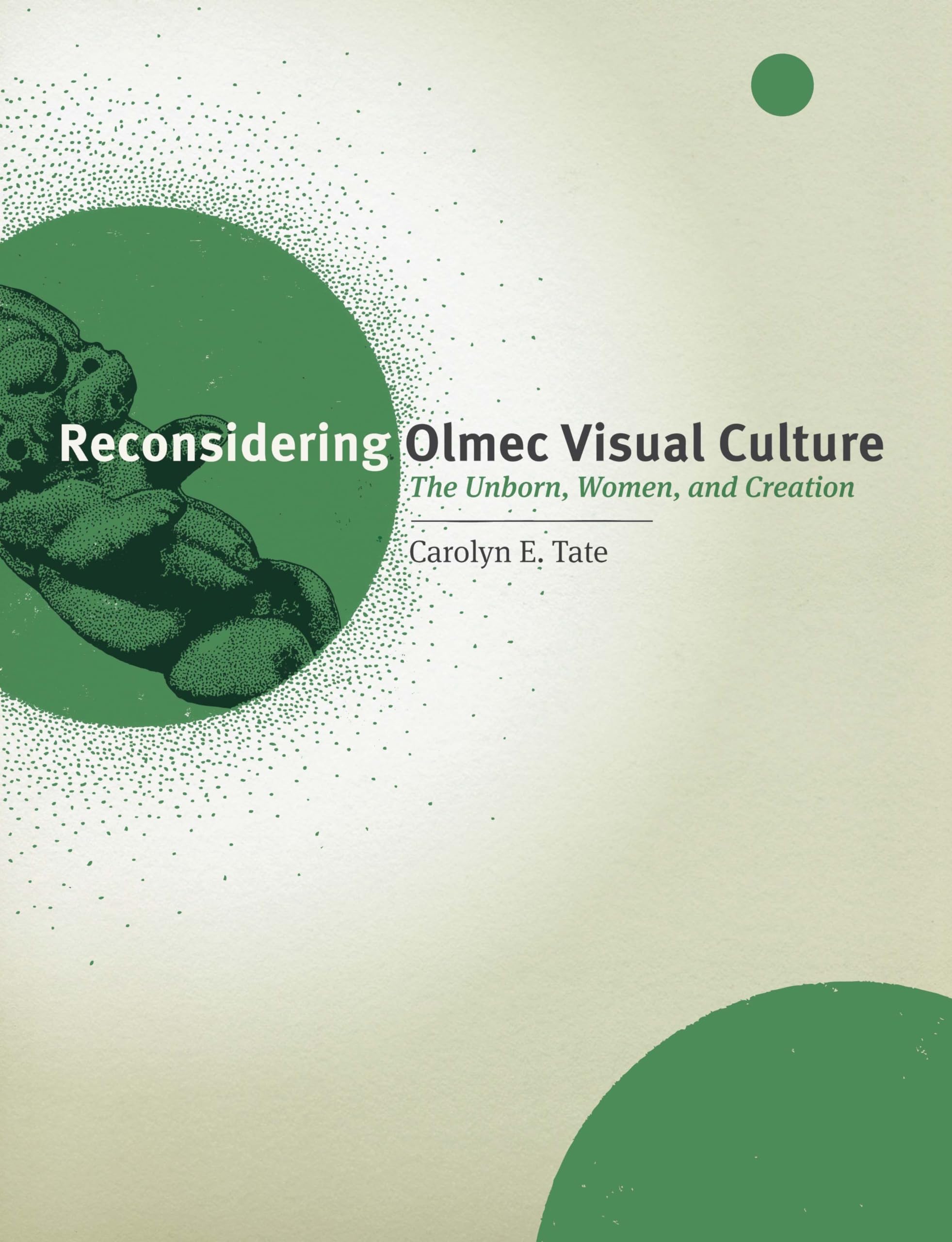
Recently, scholars of Olmec visual culture have identified symbols for umbilical cords, bundles, and cavewombs, as well as a significant number of women portrayed on monuments and as figurines. In this groundbreaking study, Carolyn Tate demonstrates that these subjects were part of a major emphasis on gestational imagery in Formative Period Mesoamerica. In Reconsidering Olmec Visual Culture, she identifies the presence of women, human embryos, and fetuses in monuments and portable objects dating from 1400 to 400 BC and originating throughout much of Mesoamerica. This highly original study sheds new light on the prominent roles that women and gestational beings played in Early Formative societies, revealing female shamanic practices, the generative concepts that motivated caching and bundling, and the expression of feminine knowledge in the 260day cycle and related divinatory and ritual activities.Reconsidering Olmec Visual Culture is the first study that situates the unique hollow babies of Formative Mesoamerica within the context of prominent females and the prevalent imagery of gestation and birth. It is also the first major art historical study of La Venta and the first to identify Mesoamerica's earliest creation narrative. It provides a more nuanced understanding of how later societies, including Teotihuacan and West Mexico, as well as the Maya, either rejected certain Formative Period visual forms, rituals, social roles, and concepts or adopted and transformed them into the enduring themes of Mesoamerican symbol systems.
⚠️ WARNING (California Proposition 65):
This product may contain chemicals known to the State of California to cause cancer, birth defects, or other reproductive harm.
For more information, please visit www.P65Warnings.ca.gov.