If you have any questions, you are always welcome to contact us. We'll get back to you as soon as possible, withing 24 hours on weekdays.
Customer service
All questions about your order, return and delivery must be sent to our customer service team by e-mail at yourstore@yourdomain.com
Sale & Press
If you are interested in selling our products, need more information about our brand or wish to make a collaboration, please contact us at press@yourdomain.com
Help
If you have any questions, you are always welcome to contact us. We'll get back to you as soon as possible, withing 24 hours on weekdays.
Customer service
All questions about your order, return and delivery must be sent to our customer service team by e-mail at yourstore@yourdomain.com
Sale & Press
If you are interested in selling our products, need more information about our brand or wish to make a collaboration, please contact us at press@yourdomain.com
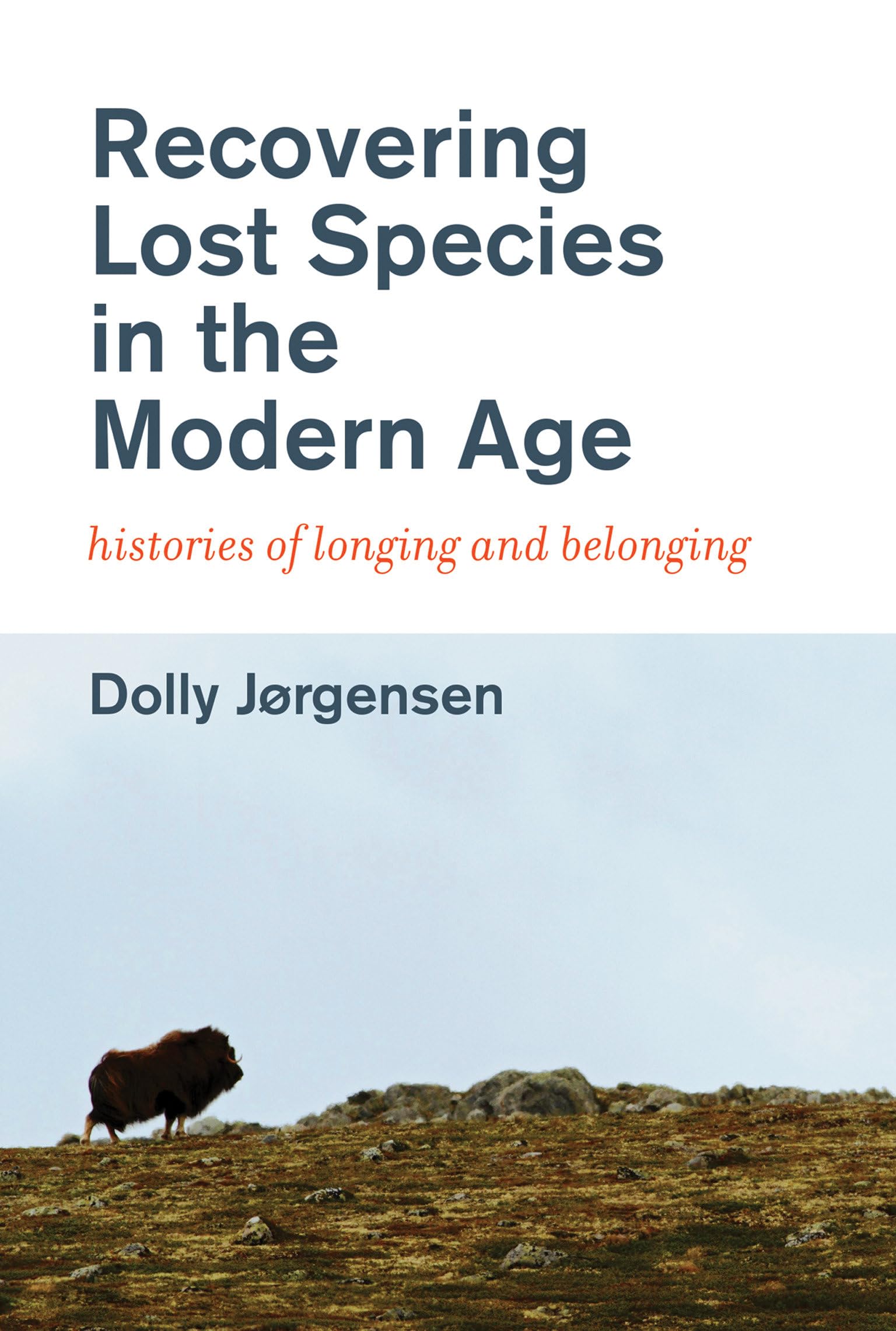
A groundbreaking study of how emotions motivate attempts to counter species loss.This groundbreaking book brings together environmental history and the history of emotions to examine the motivations behind species conservation actions. In Recovering Lost Species in the Modern Age, Dolly Jrgensen uses the environmental histories of reintroduction, rewilding, and resurrection to view the modern conservation paradigm of the recovery of nature as an emotionally charged practice. Jrgensen argues that the recovery of natureidentifying that something is lost and then going out to find it and bring it backis a nostalgic practice that looks to a historical past and relies on the concept of belonging to justify futureoriented action. The recovery impulse depends on emotional responses to what is lost, particularly a longing for recovery that manifests itself in such emotions as guilt, hope, fear, and grief.Jrgensen explains why emotional frameworks matter deeplyboth for how people understand nature theoretically and how they interact with it physically. The identification of what belongs (the lost nature) and our longing (the emotional attachment to it) in the present will affect how environmental restoration practices are carried out in the future. A sustainable future will depend on questioning how and why belonging and longing factor into the choices we make about what to recover.
⚠️ WARNING (California Proposition 65):
This product may contain chemicals known to the State of California to cause cancer,
birth defects, or other reproductive harm.
For MAP (Minimum Advertised Price) violations and Intellectual Property (IP) or Trademark concerns, please contact:
support@ergodebooks.com
⚠️ California Proposition 65 Warning: Some products sold on this website may expose you to chemicals known to the State of California to cause cancer, birth defects, or other reproductive harm. For more information, visit www.P65Warnings.ca.gov.