
Title
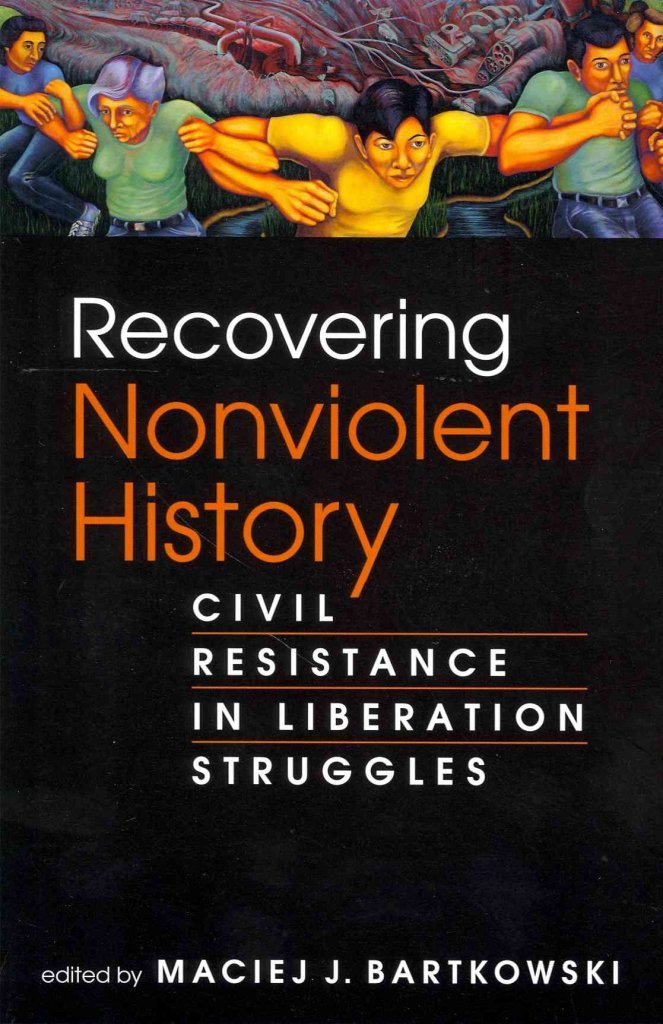
Recovering Nonviolent History: Civil Resistance In Liberation Struggles
Sold by Ergodebooks, an authorized reseller.
Returns accepted within 30 days | support@ergodebooks.com
Shipping Information
- Free Standard Shipping — United States only
- Processing Time: 3–5 business days
- Estimated Delivery: 6–10 business days after dispatch
- Double-boxed, fully insured & discreetly packaged
- Tracking number sent via email once dispatched
Returns & Refund
Returns accepted within 30 days of delivery.
Damaged or Defective Item
Free return shipping + replacement or full refund
Wrong Item Received
Free return shipping + replacement or full refund
Change of Mind
Return shipping at customer's expense · 25% restocking fee applies
Payment Option

This Unique Book Brings To Light The Littleknown, But Powerful Roles That Civil Resistance Has Played In National Liberation Struggles Throughout History. Ranging From The American Revolution To Kosovo In The 1990S, From Egypt Under Colonial Rule To Presentday West Papua And Palestine, The Authors Of Recovering Nonviolent History Consider Several Key Questions: What Kinds Of Civilianbased Nonviolent Strategy And Tactics Have Been Used In Liberation Struggles? What Accounts For Their Successes And Failures? Not Least, How Did Nonviolent Resistance Influence National Identities And Socioeconomic And Political Institutions Both Prior To And After Liberation, And Why Has This History Been So Often Ignored? The Story That Emerges Is A Compelling One Of The Agency Of Thousands And Even Millions Of Ordinary People As They Used Nonviolent Force In The Course Of Struggles Against Foreign Subjugation.
⚠️ WARNING (California Proposition 65):
This product may contain chemicals known to the State of California to cause cancer, birth defects, or other reproductive harm.
For more information, please visit www.P65Warnings.ca.gov.
- Q: How many pages does the book have? A: The book has four hundred thirty-six pages. This length allows for an in-depth exploration of civil resistance throughout history.
- Q: What are the dimensions of the book? A: The book measures five point seventy-five inches in length, one inch in width, and nine point twenty-five inches in height. These dimensions make it a standard paperback size.
- Q: What type of binding does this book have? A: This book is paperback bound. The paperback format is lightweight and flexible, making it easy to handle.
- Q: Who is the author of the book? A: The author of the book is Maciej J. Bartkowski. He brings valuable insights into the history of nonviolent resistance.
- Q: What is the main theme of the book? A: The main theme is the role of civil resistance in national liberation struggles. It covers various historical contexts and questions.
- Q: Is this book suitable for academic study? A: Yes, this book is suitable for academic study. It provides a thorough analysis that can be beneficial for students and scholars.
- Q: How can I use this book for research? A: You can use this book for research by referencing its case studies and discussions on civil resistance. It serves as a resource for understanding historical movements.
- Q: What age group is this book appropriate for? A: This book is appropriate for readers aged sixteen and older. It discusses complex themes suitable for high school and college students.
- Q: Are there any illustrations or graphs in the book? A: No, the book does not include illustrations or graphs. It focuses on textual analysis and narrative.
- Q: How should I store this book to keep it in good condition? A: Store the book in a cool, dry place away from direct sunlight. This helps preserve the cover and pages over time.
- Q: What is the best way to clean the book? A: To clean the book, use a dry microfiber cloth to gently remove dust. Avoid using liquids or cleaners that may damage the cover.
- Q: Can I return the book if I don't like it? A: Yes, you can return the book if you are not satisfied. Check the retailer's return policy for specific details and time frames.
- Q: What if the book arrives damaged? A: If the book arrives damaged, contact customer service immediately. They will assist you with a replacement or refund.
- Q: Is this book frequently referenced in academic papers? A: Yes, this book is frequently referenced in academic papers. Its insights on civil resistance have made it a valuable citation.
- Q: How does this book compare to other books on civil rights? A: This book differs by focusing specifically on nonviolent strategies in liberation struggles, unlike many that cover broader civil rights themes.
- Q: What are the key historical examples discussed in the book? A: Key historical examples include the American Revolution and the struggles in Palestine and West Papua. These illustrate the impact of civil resistance.