If you have any questions, you are always welcome to contact us. We'll get back to you as soon as possible, withing 24 hours on weekdays.
Customer service
All questions about your order, return and delivery must be sent to our customer service team by e-mail at yourstore@yourdomain.com
Sale & Press
If you are interested in selling our products, need more information about our brand or wish to make a collaboration, please contact us at press@yourdomain.com
Help
If you have any questions, you are always welcome to contact us. We'll get back to you as soon as possible, withing 24 hours on weekdays.
Customer service
All questions about your order, return and delivery must be sent to our customer service team by e-mail at yourstore@yourdomain.com
Sale & Press
If you are interested in selling our products, need more information about our brand or wish to make a collaboration, please contact us at press@yourdomain.com
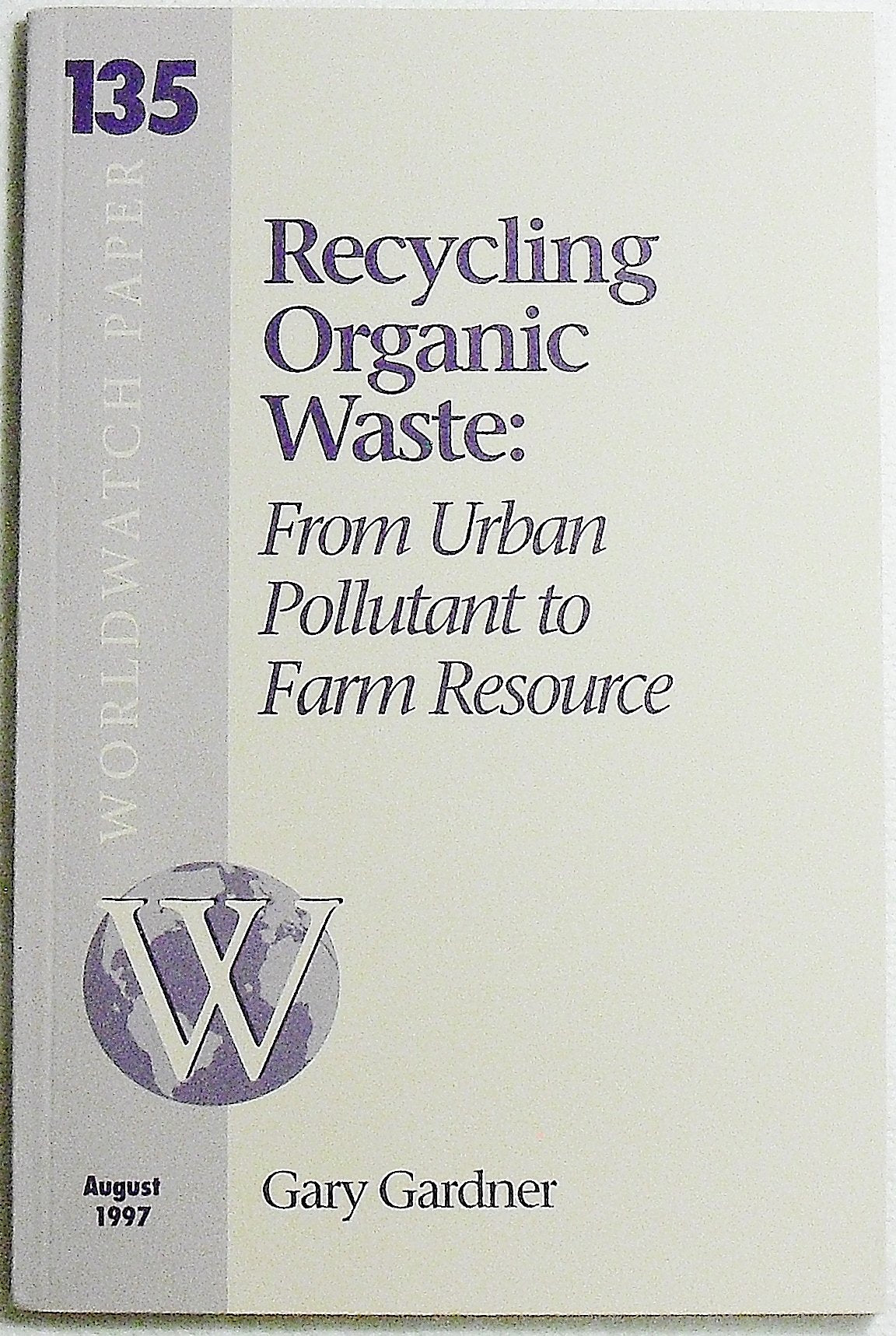
Metal, paper, and plastic are commonly recycled, but most of the world continues to throw away an abundant, reusable resource: organic matter. Today, we normally send organic garbage and sewage to landfills and incinerators, or dump them into rivers, bays, and oceans. And manure is increasingly dumped or overapplied to farmland because of large, centralized livestock production. These disposal methods clog landfills, pollute air and drinking water, and encourage cities to invest in costly, waterintensive sewage infrastructure. They also promote excessive dependence on manufactured fertilizer, which creates its own problems, from ecosystem disruption to diseaseprone soils. Recycling organic matter from cities to farms would help solve many of these problems. Urban organic garbage and yard waste can be composted and used on farms. Human wasteif separated from industrial wastecan be processed into a clean, fertilizing product. And the production of manure can be managed to avoid dumping or overapplication. Recycling will require that organic material be viewed as a resource, rather than a waste product. We need policies to educate municipal authorities and citizens about the value of recycling organic waste and the steps to achieve it. Initiatives to assist farmers in managing the quantities of nutrients and organic matter that are applied to their land can reduce pollution and rebuild soil. Once implemented, recycling of organic matter will make cities more sustainable, and save them money.
⚠️ WARNING (California Proposition 65):
This product may contain chemicals known to the State of California to cause cancer,
birth defects, or other reproductive harm.
For MAP (Minimum Advertised Price) violations and Intellectual Property (IP) or Trademark concerns, please contact:
support@ergodebooks.com
⚠️ California Proposition 65 Warning: Some products sold on this website may expose you to chemicals known to the State of California to cause cancer, birth defects, or other reproductive harm. For more information, visit www.P65Warnings.ca.gov.