
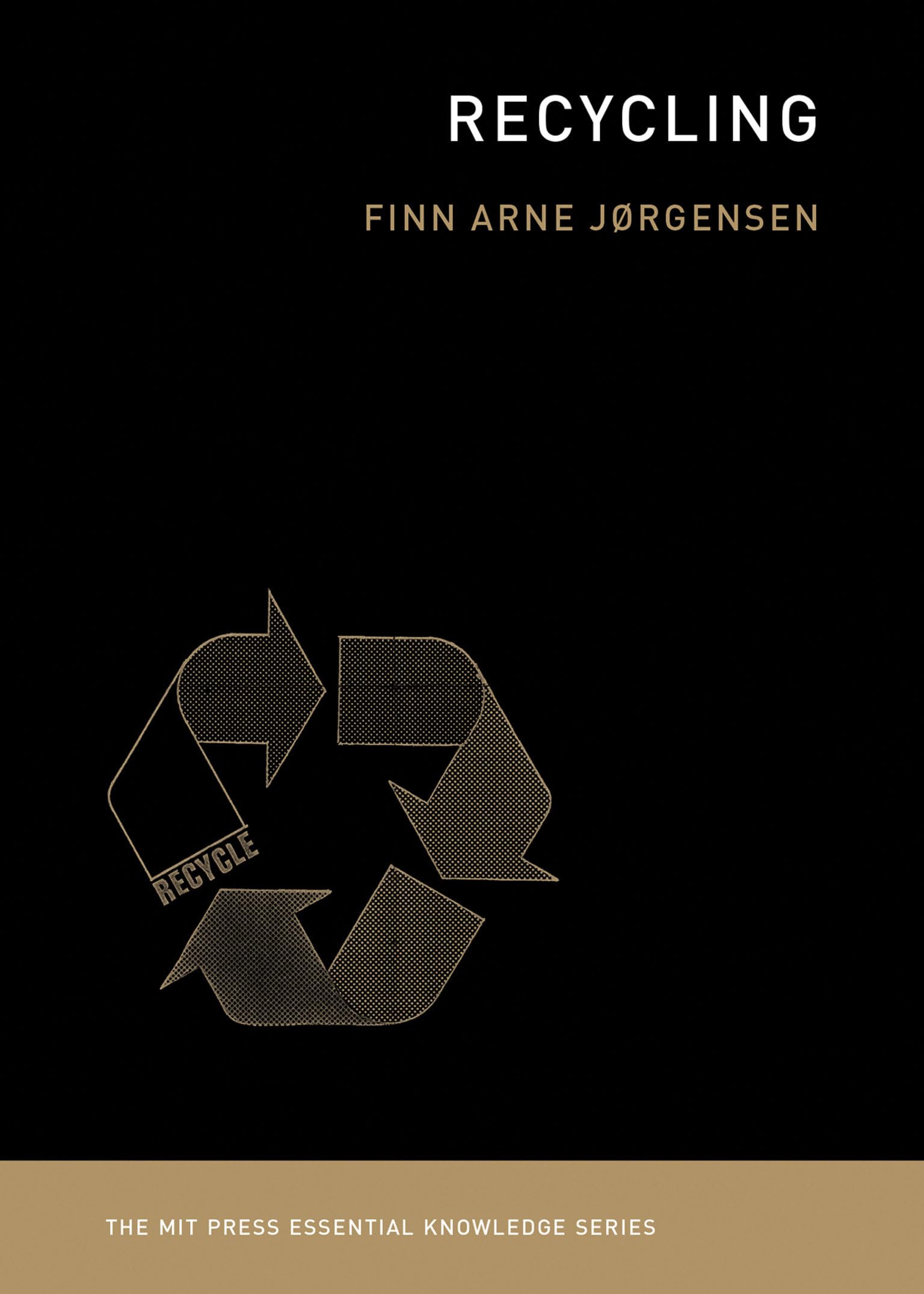
Title
Recycling (The MIT Press Essential Knowledge series),Used
Sold by Ergodebooks, an authorized reseller.
Returns accepted within 30 days | support@ergodebooks.com
Shipping Information
- Free Standard Shipping — United States only
- Processing Time: 3–5 business days
- Estimated Delivery: 6–10 business days after dispatch
- Double-boxed, fully insured & discreetly packaged
- Tracking number sent via email once dispatched
Returns & Refund
Returns accepted within 30 days of delivery.
Damaged or Defective Item
Free return shipping + replacement or full refund
Wrong Item Received
Free return shipping + replacement or full refund
Change of Mind
Return shipping at customer's expense · 25% restocking fee applies
Payment Option

An overview of recycling as an activity and a process, following different materials through the waste stream.Is there a point to recycling? Is recycling even good for the environment? In this volume in the MIT Press Essential Knowledge series, Finn Arne Jrgensen answers (drumroll, please): it depends. From a technical point of view, recycling is a series of processescollecting, sorting, processing, manufacturing. Recycling also has a cultural component; at its core, recycling is about transformation and value, turning material waste into something usefulplastic bags into patio furniture, plastic bottles into Tshirts. Jrgensen offers an accessible and engaging overview of recycling as an activity and as a process at the intersection of the material and the ideological.Jrgensen follows a series of materials as they move back and forth between producer and consumer, continually transforming in form and value, in a neverceasing journey toward becoming waste. He considers organic waste and cultural contamination; the history of recyclable writing surfaces from papyrus to newsprint; discarded clothing as it moves from the the Global North to the Global South; the shifting fate of glass bottles; the efficiency of aluminum recycling; the many types of plastic and the difficulties of informed consumer choice; ewaste and technological obsolescence; and industrial waste. Finally, reasking the question posed by John Tierney in an infamous 1996 New York Times article, is recycling garbage? Jrgensen argues that recycling is necessaryas both symbolic action and physical activity that has a tangible effect on the real world.
⚠️ WARNING (California Proposition 65):
This product may contain chemicals known to the State of California to cause cancer, birth defects, or other reproductive harm.
For more information, please visit www.P65Warnings.ca.gov.