
Title
Red Ties And Residential Schools: Indigenous Siberians In A Postsoviet State,Used
Sold by Ergodebooks, an authorized reseller.
Returns accepted within 30 days | support@ergodebooks.com
Shipping Information
- Free Standard Shipping — United States only
- Processing Time: 3–5 business days
- Estimated Delivery: 6–10 business days after dispatch
- Double-boxed, fully insured & discreetly packaged
- Tracking number sent via email once dispatched
Returns & Refund
Returns accepted within 30 days of delivery.
Damaged or Defective Item
Free return shipping + replacement or full refund
Wrong Item Received
Free return shipping + replacement or full refund
Change of Mind
Return shipping at customer's expense · 25% restocking fee applies
Payment Option

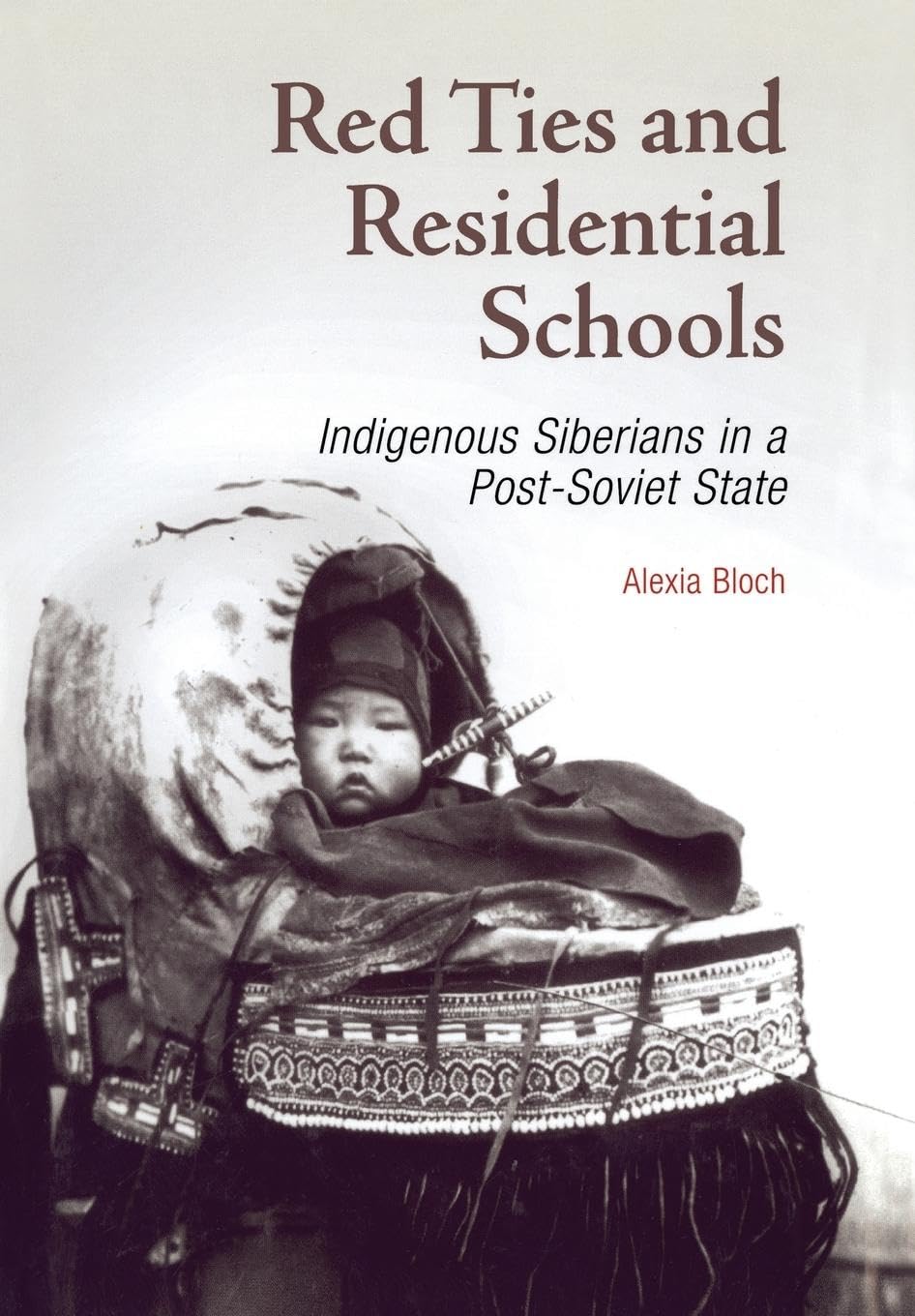
In this book Alexia Bloch examines the experiences of a community of Evenki, an indigenous group in central Siberia, to consider the place of residential schooling inidentity politics in contemporary Russia. Residential schools established in the 1920s brought Siberians under the purview of the Soviet state, and Bloch demonstrates how in the postSoviet era, a time of jarring social change, these schools continue to embody the salience of Soviet cultural practices and the spirit of belonging to a collective. She explores how Evenk intellectuals are endowing residential schools with new symbolic power and turning them into a locus for political mobilization.In contrast to the binary model of oppressed/oppressor underlying many accounts of state/indigenous relations, Bloch's work provides a complex picture of the experiences of Siberians in Soviet and postSoviet society. Bloch's research, conducted in a central Siberian town during the 1990s, is ethnographically grounded in life stories recorded with Evenk women; surveys of households navigating histories of collectivization and recent, rampant privatization; and in residential schools and in museums, both central to Evenk identity politics.While considering how residential schools once targeted marginalized reindeer herders, especially young girls, for socialization and assimilation, Bloch reveals how class, region, and gendered experience currently influence perspectives on residential schooling. The analysis centers on the ways vehicles of the Soviet state have been reworked and still sometimes embraced by members of an indigenous community as they forge new identities and allegiances in the postSoviet era.
⚠️ WARNING (California Proposition 65):
This product may contain chemicals known to the State of California to cause cancer, birth defects, or other reproductive harm.
For more information, please visit www.P65Warnings.ca.gov.