
Title
Red, White, And Black Make Blue: Indigo In The Fabric Of Colonial South Carolina Life,Used
Sold by Ergodebooks, an authorized reseller.
Returns accepted within 30 days | support@ergodebooks.com
Shipping Information
- Free Standard Shipping — United States only
- Processing Time: 3–5 business days
- Estimated Delivery: 6–10 business days after dispatch
- Double-boxed, fully insured & discreetly packaged
- Tracking number sent via email once dispatched
Returns & Refund
Returns accepted within 30 days of delivery.
Damaged or Defective Item
Free return shipping + replacement or full refund
Wrong Item Received
Free return shipping + replacement or full refund
Change of Mind
Return shipping at customer's expense · 25% restocking fee applies
Payment Option

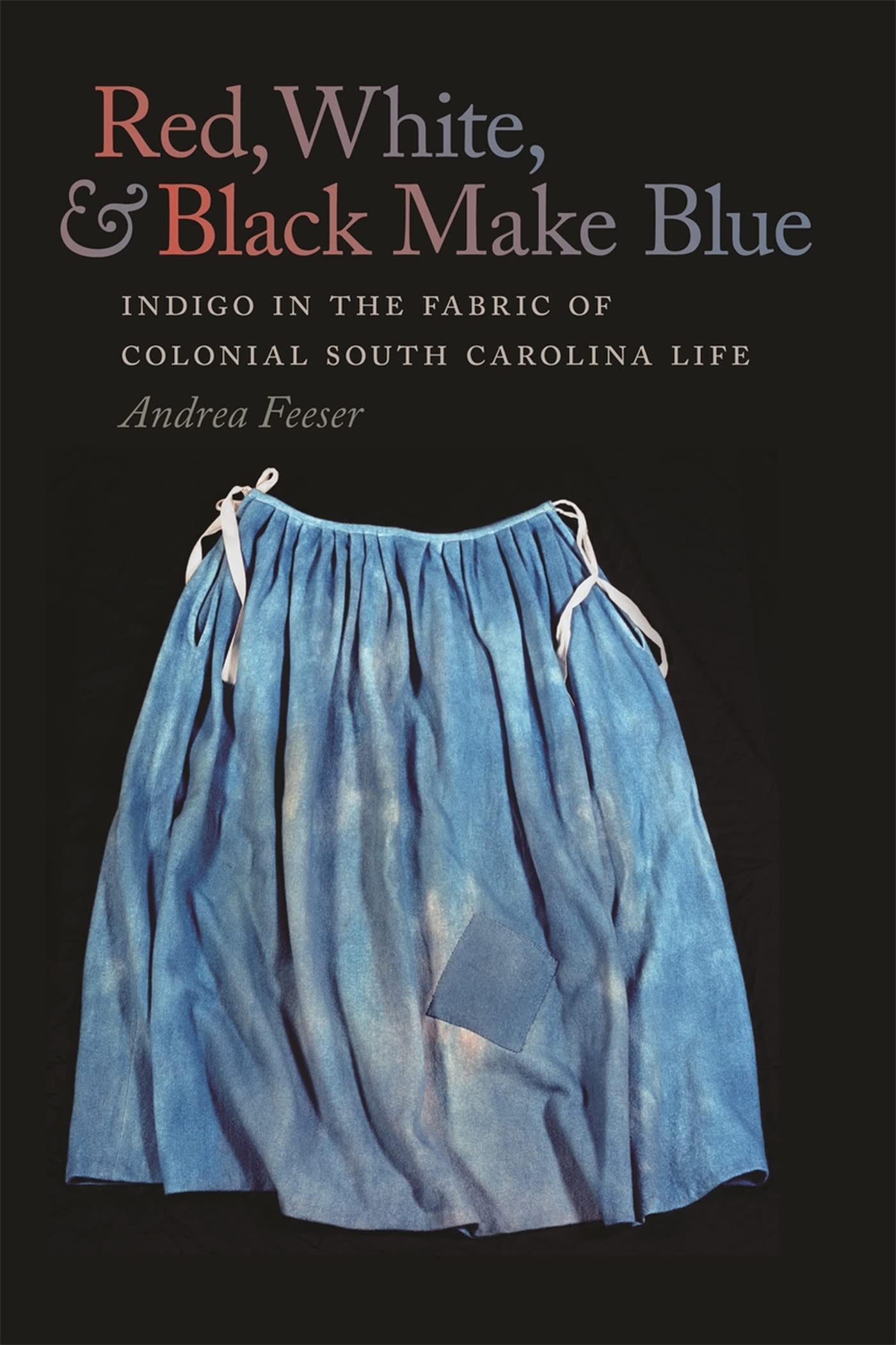
Like cotton, indigo has defied its humble origins. Left alone it might have been a regional plant with minimal reach, a localized way of dyeing textiles, paper, and other goods with a bit of blue. But when blue became the most popular color for the textiles that Britain turned out in large quantities in the eighteenth century, the South Carolina indigo that colored most of this cloth became a major component in transatlantic commodity chains. In Red, White, and Black Make Blue, Andrea Feeser tells the stories of all the peoples who made indigo a key part of the colonial South Carolina experience as she explores indigos relationships to land use, slave labor, textile production and use, sartorial expression, and fortune building.In the eighteenth century, indigo played a central role in the development of South Carolina. The popularity of the color blue among the upper and lower classes ensured a high demand for indigo, and the climate in the region proved sound for its cultivation. Cheap labor by slavesboth black and Native Americanmade commoditization of indigo possible. And due to land grabs by colonists from the enslaved or expelled indigenous peoples, the expansion into the backcountry made plenty of land available on which to cultivate the crop. Feeser recounts specific historiesuncovered for the first time during her researchof how the Native Americans and African slaves made the success of indigo in South Carolina possible. She also emphasizes the material culture around particular objects, including maps, prints, paintings, and clothing. Red, White, and Black Make Blue is a fraught and compelling history of both exploitation and empowerment, revealing the legacy of a modest plant with an outsized impact.
⚠️ WARNING (California Proposition 65):
This product may contain chemicals known to the State of California to cause cancer, birth defects, or other reproductive harm.
For more information, please visit www.P65Warnings.ca.gov.