If you have any questions, you are always welcome to contact us. We'll get back to you as soon as possible, withing 24 hours on weekdays.
Customer service
All questions about your order, return and delivery must be sent to our customer service team by e-mail at yourstore@yourdomain.com
Sale & Press
If you are interested in selling our products, need more information about our brand or wish to make a collaboration, please contact us at press@yourdomain.com
Help
If you have any questions, you are always welcome to contact us. We'll get back to you as soon as possible, withing 24 hours on weekdays.
Customer service
All questions about your order, return and delivery must be sent to our customer service team by e-mail at yourstore@yourdomain.com
Sale & Press
If you are interested in selling our products, need more information about our brand or wish to make a collaboration, please contact us at press@yourdomain.com
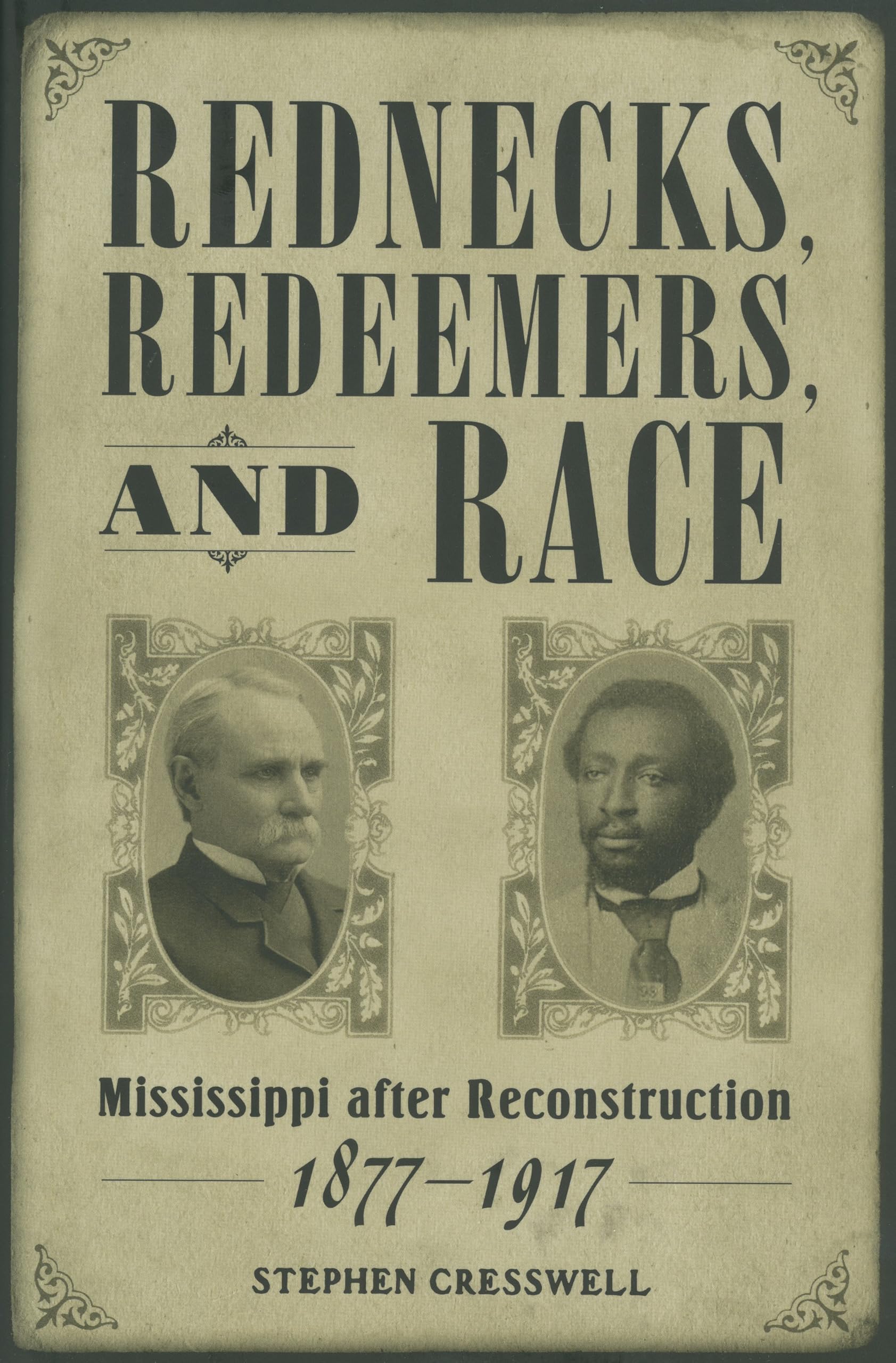
Mississippi saw great change in the four decades after Reconstruction. Between 1877 and 1917 the state transformed. Its cities increased rapidly in size and saw the advent of electric lights, streetcars, and moving pictures. Farmers diversified their operations, sharply increasing their production of corn, sweet potatoes, and dairy products. Mississippians built large textile mills in a number of cities and increased the number of manufacturing workers tenfold.But many things did not change. In 1917 as in 1877, Mississippi was a top cotton producer and relied more heavily on cotton than on any other product. In 1917 as in 1877 the state had troubled race relations and was all too often the site of lynchings and race riots. Compared with other states in 1917, Mississippi was near the bottom of the list for length of the school year, for percentage of farms that boasted tractors, and for the number of miles of paved or gravel roads. Mississippi was the least urban and most agricultural state in the nation.Rednecks, Redeemers, and Race: Mississippi after Reconstruction, 18771917 examines the paradox of significant change alongside many unbroken continuities. It explores the reasons Mississippi was not more successful in urbanizing, in industrializing, and in reducing its reliance on cotton. The volume closes by looking at events that would move Mississippi closer to the national mainstream.
⚠️ WARNING (California Proposition 65):
This product may contain chemicals known to the State of California to cause cancer,
birth defects, or other reproductive harm.
For MAP (Minimum Advertised Price) violations and Intellectual Property (IP) or Trademark concerns, please contact:
support@ergodebooks.com
⚠️ California Proposition 65 Warning: Some products sold on this website may expose you to chemicals known to the State of California to cause cancer, birth defects, or other reproductive harm. For more information, visit www.P65Warnings.ca.gov.