
Title
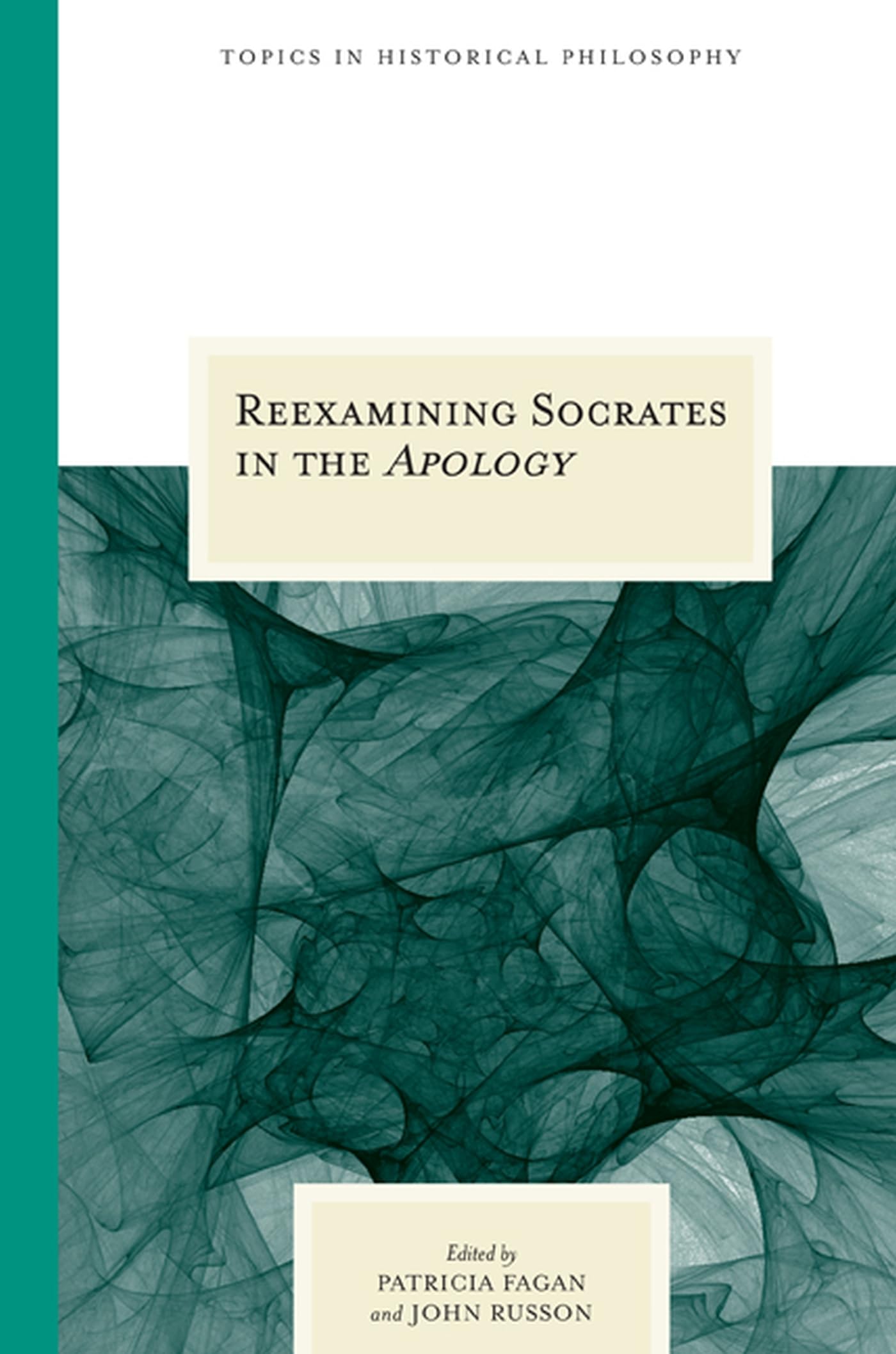
Reexamining Socrates In The Apology (Topics In Historical Philosophy),Used
Sold by Ergodebooks, an authorized reseller.
Returns accepted within 30 days | support@ergodebooks.com
Shipping Information
- Free Standard Shipping — United States only
- Processing Time: 3–5 business days
- Estimated Delivery: 6–10 business days after dispatch
- Double-boxed, fully insured & discreetly packaged
- Tracking number sent via email once dispatched
Returns & Refund
Returns accepted within 30 days of delivery.
Damaged or Defective Item
Free return shipping + replacement or full refund
Wrong Item Received
Free return shipping + replacement or full refund
Change of Mind
Return shipping at customer's expense · 25% restocking fee applies
Payment Option

Product Description An oracle was reported to have said, 'No one is wiser than Socrates.' And in fact it was Socrates lifes work to interpret these words, which demanded and defined the practice of philosophy. Each of these original essays attends carefully to the specifics of the Apology, looking to its dramatic details, its philosophic teaching, and its complexity as a work of writing to bring into focus the 'Socrates' of the Apology. Overall, the contributors, distinguished scholars of ancient philosophy, share a belief in the unity of the letter and the spirit of Platonic philosophy: the conviction that the Platonic text cannot be reached except through reading and cannot be read except through thinking. In this way, the readings in this volume mirror Socrates own hermeneutical practice of uniting the demands of the mind and the demands of the textthe Socratic 'examination.' The result, true to the Socratic injunction that the unexamined life is not worth living, continues that practice of examination, here offering a reexamination of Socrates in the Apology. Review 'This fine collection . . . has a tenacious loyalty to details, reading them with utmost care and sensitivity to the dialogue as a whole, other dialogues, athenian history as well as its literary scene (especially aristophanes and his play The Clouds), and the subtleties of the Greek language. The result is as astonishing as it is illuminating: the Apology is given back to us in its complexity and its profundity.'Jason Wirth, Penn state University About the Author Patricia Fagan is an assistant professor of languages, literatures, and cultures at the University of Windsor.John Russon is a professor of philosophy at the University of Guelph.
⚠️ WARNING (California Proposition 65):
This product may contain chemicals known to the State of California to cause cancer, birth defects, or other reproductive harm.
For more information, please visit www.P65Warnings.ca.gov.