
Title
Refiguring The Hero: From Peasant To Noble In Lope De Vega And Caldern (Studies In Romance Literatures)
Sold by Ergodebooks, an authorized reseller.
Returns accepted within 30 days | support@ergodebooks.com
Shipping Information
- Free Standard Shipping — United States only
- Processing Time: 3–5 business days
- Estimated Delivery: 6–10 business days after dispatch
- Double-boxed, fully insured & discreetly packaged
- Tracking number sent via email once dispatched
Returns & Refund
Returns accepted within 30 days of delivery.
Damaged or Defective Item
Free return shipping + replacement or full refund
Wrong Item Received
Free return shipping + replacement or full refund
Change of Mind
Return shipping at customer's expense · 25% restocking fee applies
Payment Option

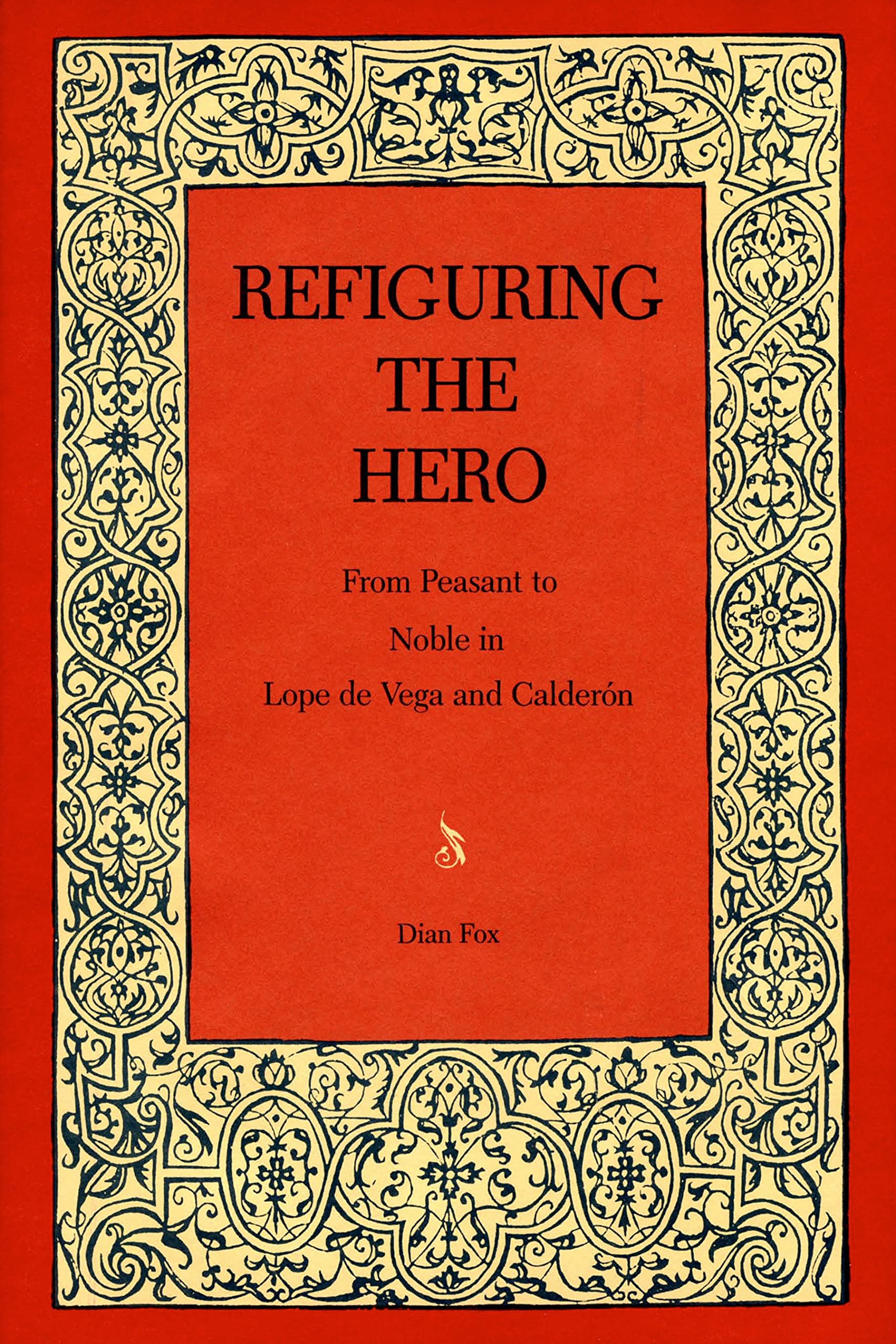
Refiguring the Hero reassesses the social significance of several of the most widely read plays of Spain's Golden Age in light of thencontempory ideas about heroism.The Spanish dramatists Lope de Vega and Pedro Caldern de la Barca, near contemporaries of Shakespeare, are hailed by Hispanists as democrats at heart for making heroes, in both the literary and the positive moral sense, of peasants. Spanish drama is alleged to be the first literature in the Western world to find the common man worthy of heroic status. Refiguring the Hero reevaluates the place of the canon of Spanish Golden Age drama within its European context.The book discusses European literary heroism through the seventeenth century,with particular attention to the Spanish or moral enlightenment were essential characteristics of a hero. However, the protagonists of Spanish 'peasant honor' plays do not fit into this heroic tradition. The peasant often murders a nobleman who has offended his honor, and is rewarded by the reigning monarch. The peasants gain official approval by misrepresenting the events leading up to the murders. The generous kings, in their turn, are historical figures known for their failures.While most scholars approaching Spanish Golden Age drama regard these plays a s socially subversive or revolutionary, Dian Fox contends that they are consistent with other contemporary European national dramas in reserving heroism in serious works for socially superior characters. She challenges the 'democratic' view of the peasant triumphing over the nobleman as heroic and shows that political and social developments since the seventeenth century have enhanced the sympathy with which modern readers regard the violent acts of the peasants in these plays.
⚠️ WARNING (California Proposition 65):
This product may contain chemicals known to the State of California to cause cancer, birth defects, or other reproductive harm.
For more information, please visit www.P65Warnings.ca.gov.