
Title
Reforming the 'Bad' Quartos: Performance and Provenance of Six Shakespearean First Editions,Used
Sold by Ergodebooks, an authorized reseller.
Returns accepted within 30 days | support@ergodebooks.com
Shipping Information
- Free Standard Shipping — United States only
- Processing Time: 3–5 business days
- Estimated Delivery: 6–10 business days after dispatch
- Double-boxed, fully insured & discreetly packaged
- Tracking number sent via email once dispatched
Returns & Refund
Returns accepted within 30 days of delivery.
Damaged or Defective Item
Free return shipping + replacement or full refund
Wrong Item Received
Free return shipping + replacement or full refund
Change of Mind
Return shipping at customer's expense · 25% restocking fee applies
Payment Option

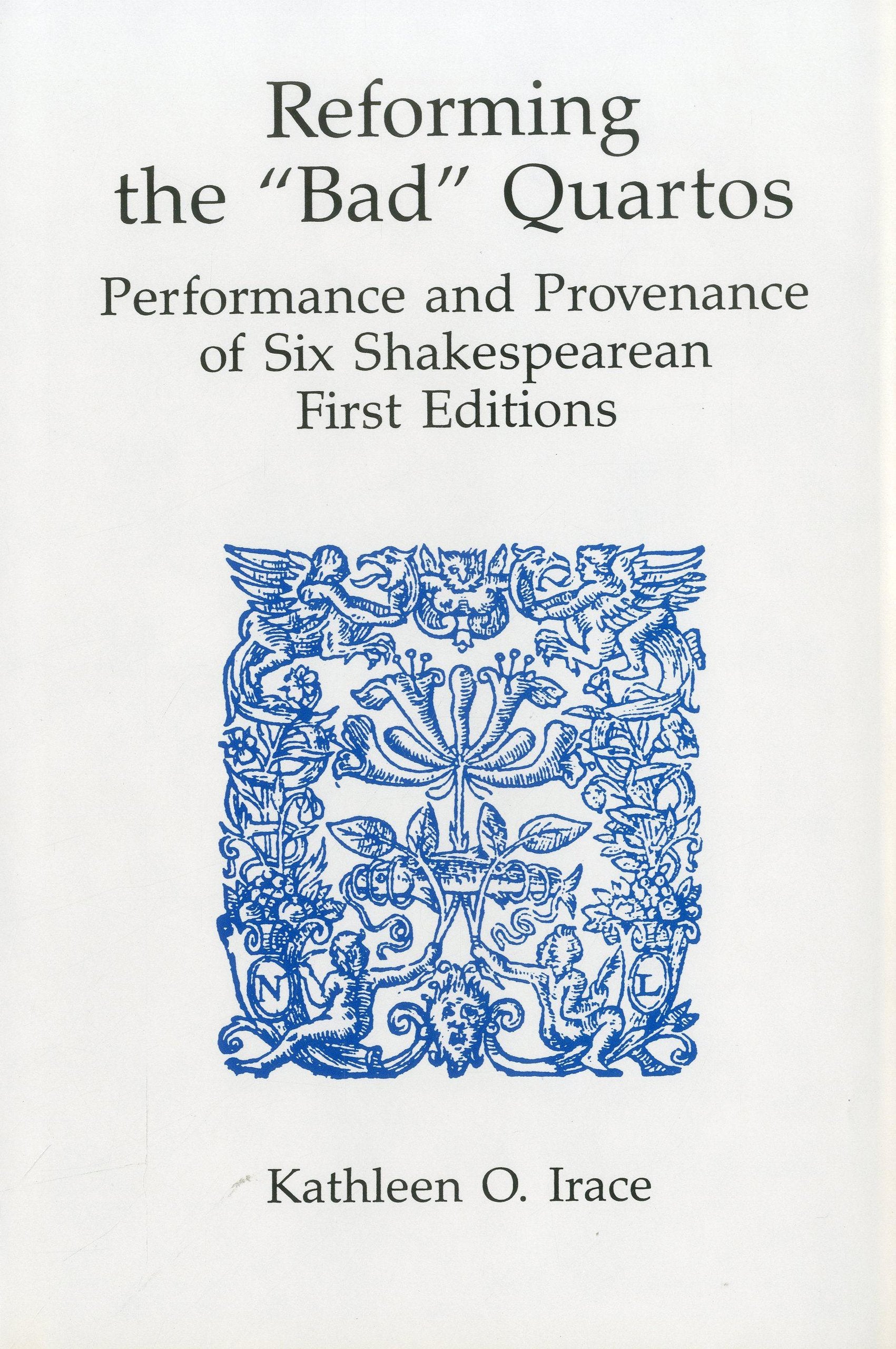
This innovative book, in contrast to most earlier studies, takes the six "bad" quartos seriously, evaluating them as theatrical scripts in their own right at the same time as it seeks clues to their origins. Reforming the "Bad" Quartos explores both the performance features and the provenance of these six early Shakespearean playtexts the first printed editions of Hamlet, Henry V, Romeo and Juliet, The Merry Wives of Windsor, and the Second and Third Parts of Henry VI. Because of their early publication dates all printed during Shakespeare's most active years the playtexts are especially fascinating for they differ in striking ways from the more familiar versions printed after these earliest texts. Most obviously each of the quartos seems short and sometimes garbled when compared with its parallel, familiar version, earning the "bad" quartos their pejorative label.The book closely examines alternatives in plot structure, characterization, and staging in the six playtexts. Because the short quartos have long been neglected as "bad" texts, the cleverness and skill behind their unique performance features may come as a surprise to many, especially when they are juxtaposed with parallel features of known adaptations. A strong feature of this study is the large number of performance details drawn from productions dating from the Restoration to the present details that often mirror performance features in the short quartos and suggest that these playtexts may preserve the earliest adaptations of Shakespeare's plays.The second half of the book explores this theory of the origin of the short quartos, as well as two others: authorial revision and memorial reconstruction. Using a computerassisted analysis of parallel texts of the six plays, Reforming the "Bad" Quartos demonstrates that actorreporters were responsible for shaping the short quartos, not Shakespeare himself, for the players apparently reconstructed the plays from their memories of London performances.If, as this study argues, the actors also adapted the plays, the short quartos preserve the earliest fastpaced popular adaptations of Shakespeare's plays, designed by the actors to please the million.
⚠️ WARNING (California Proposition 65):
This product may contain chemicals known to the State of California to cause cancer, birth defects, or other reproductive harm.
For more information, please visit www.P65Warnings.ca.gov.