
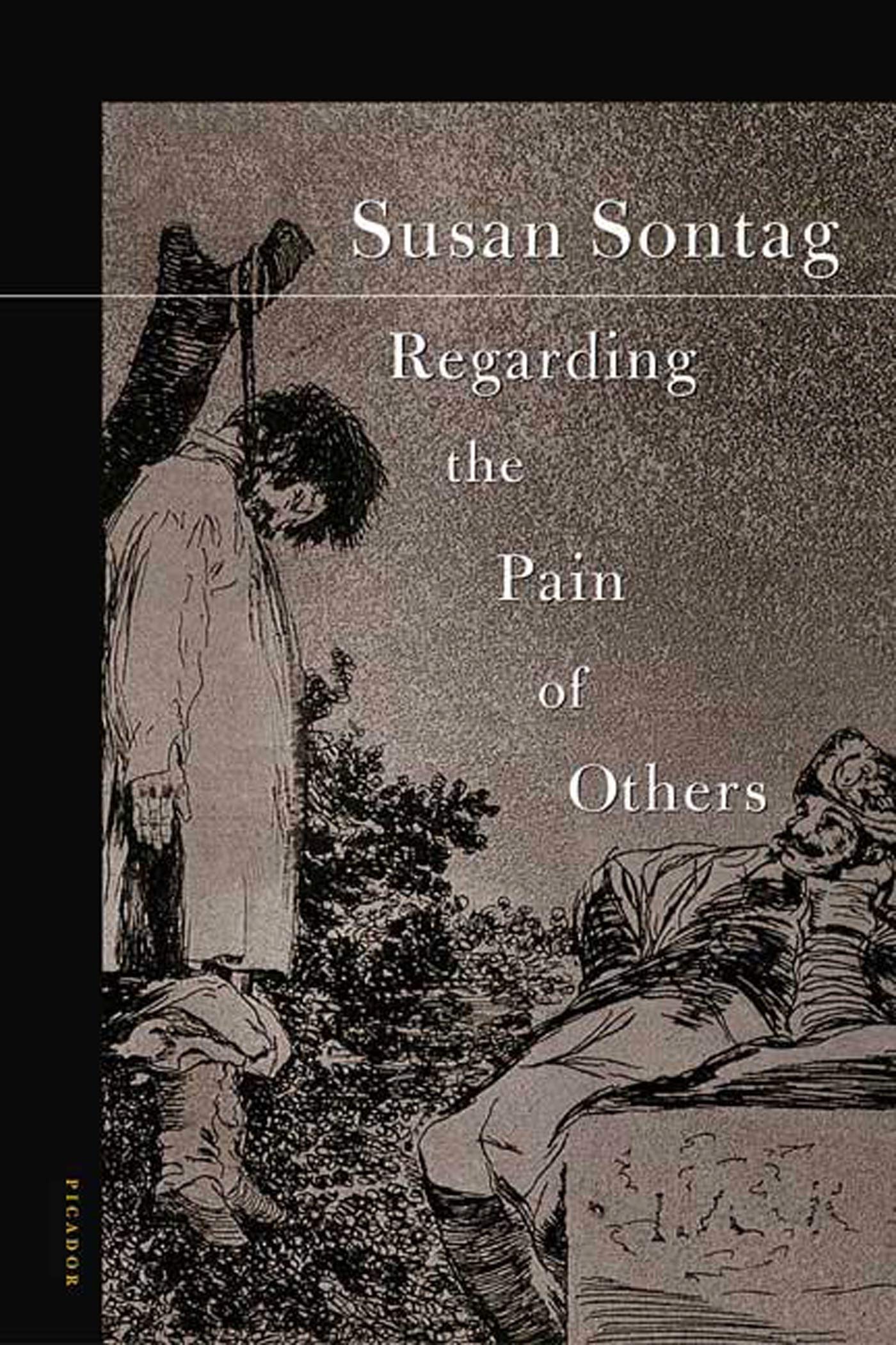
Title
Regarding The Pain Of Others,New
Sold by Ergodebooks, an authorized reseller.
Returns accepted within 30 days | support@ergodebooks.com
Shipping Information
- Free Standard Shipping — United States only
- Processing Time: 3–5 business days
- Estimated Delivery: 6–10 business days after dispatch
- Double-boxed, fully insured & discreetly packaged
- Tracking number sent via email once dispatched
Returns & Refund
Returns accepted within 30 days of delivery.
Damaged or Defective Item
Free return shipping + replacement or full refund
Wrong Item Received
Free return shipping + replacement or full refund
Change of Mind
Return shipping at customer's expense · 25% restocking fee applies
Payment Option

A Brilliant, Cleareyed Consideration Of The Visual Representation Of Violence In Our Cultureits Ubiquity, Meanings, And Effects.Considered One Of The Greatest Critics Of Her Generation, Susan Sontag Followed Up Her Monumental On Photography With An Extended Study Of Human Violence, Reflecting On A Question First Posed By Virginia Woolf In Three Guineas: How In Your Opinion Are We To Prevent War?For A Long Time Some People Believed That If The Horror Could Be Made Vivid Enough, Most People Would Finally Take In The Outrageousness, The Insanity Of War.One Of The Distinguishing Features Of Modern Life Is That It Supplies Countless Opportunities For Regarding (At A Distance, Through The Medium Of Photography) Horrors Taking Place Throughout The World. But Are Viewers Inuredor Incitedto Violence By The Depiction Of Cruelty? Is The Viewers Perception Of Reality Eroded By The Daily Barrage Of Such Images? What Does It Mean To Care About The Suffering Of Others Far Away?First Published More Than Twenty Years After Her Nowclassic Book On Photography, Which Changed How We Understand The Very Condition Of Being Modern, Regarding The Pain Of Others Challenges Our Thinking Not Only About The Uses And Means Of Images, But About How War Itself Is Waged (And Understood) In Our Time, The Limits Of Sympathy, And The Obligations Of Conscience.
⚠️ WARNING (California Proposition 65):
This product may contain chemicals known to the State of California to cause cancer, birth defects, or other reproductive harm.
For more information, please visit www.P65Warnings.ca.gov.
- Q: How many pages does the book contain? A: The book contains one hundred thirty-one pages. This length allows for a concise yet comprehensive exploration of its themes.
- Q: What are the dimensions of this book? A: The book measures five point five one inches in length, zero point three five inches in width, and eight point two seven inches in height. These dimensions make it portable and easy to handle.
- Q: What type of binding does the book have? A: The book is published in paperback binding. This makes it lightweight and flexible for easy reading.
- Q: Who is the author of 'Regarding the Pain of Others'? A: The author is Susan Sontag. She is recognized as one of the greatest critics of her generation.
- Q: What genre does this book belong to? A: This book belongs to the genre of Criticism and Essays. It offers a critical examination of visual representations of violence.
- Q: Is the writing suitable for all age groups? A: The book is intended for an adult audience. Its themes discuss complex issues regarding violence and empathy.
- Q: How should I store this book to keep it in good condition? A: Store the book in a cool, dry place away from direct sunlight. This will prevent fading and damage to the pages.
- Q: Is there any special care needed for the paperback binding? A: No special care is needed; however, avoid bending the cover excessively. This helps maintain its shape and integrity.
- Q: Can I read this book in one sitting? A: Yes, you can read it in one sitting. Its length allows for a thorough reading experience without being overwhelming.
- Q: What themes are explored in this book? A: The book explores themes of violence, empathy, and the impact of visual media. It encourages readers to reflect on their perceptions of suffering.
- Q: Is this book a good choice for someone interested in photography? A: Yes, it is a great choice for those interested in photography. It builds upon Sontag's earlier work, 'On Photography'.
- Q: What are the main arguments presented in the book? A: The main arguments revolve around the ethics of visual representation and the viewer's responsibility towards suffering. Sontag questions the effects of media on our perception of violence.
- Q: What can I expect from the writing style? A: Expect a clear and analytical writing style. Sontag's prose is known for being thought-provoking and intellectually engaging.
- Q: Is there a discussion of historical context in the book? A: Yes, the book discusses historical context regarding war and violence. Sontag reflects on how these issues are represented in contemporary media.
- Q: What impact did this book have on its readers? A: The book has had a significant impact by challenging readers to reconsider their views on violence and empathy. It remains a relevant critique of modern media.
- Q: Does this book have any illustrations or photographs? A: No, this book does not contain illustrations or photographs. It focuses on textual analysis and critique of visual culture.