
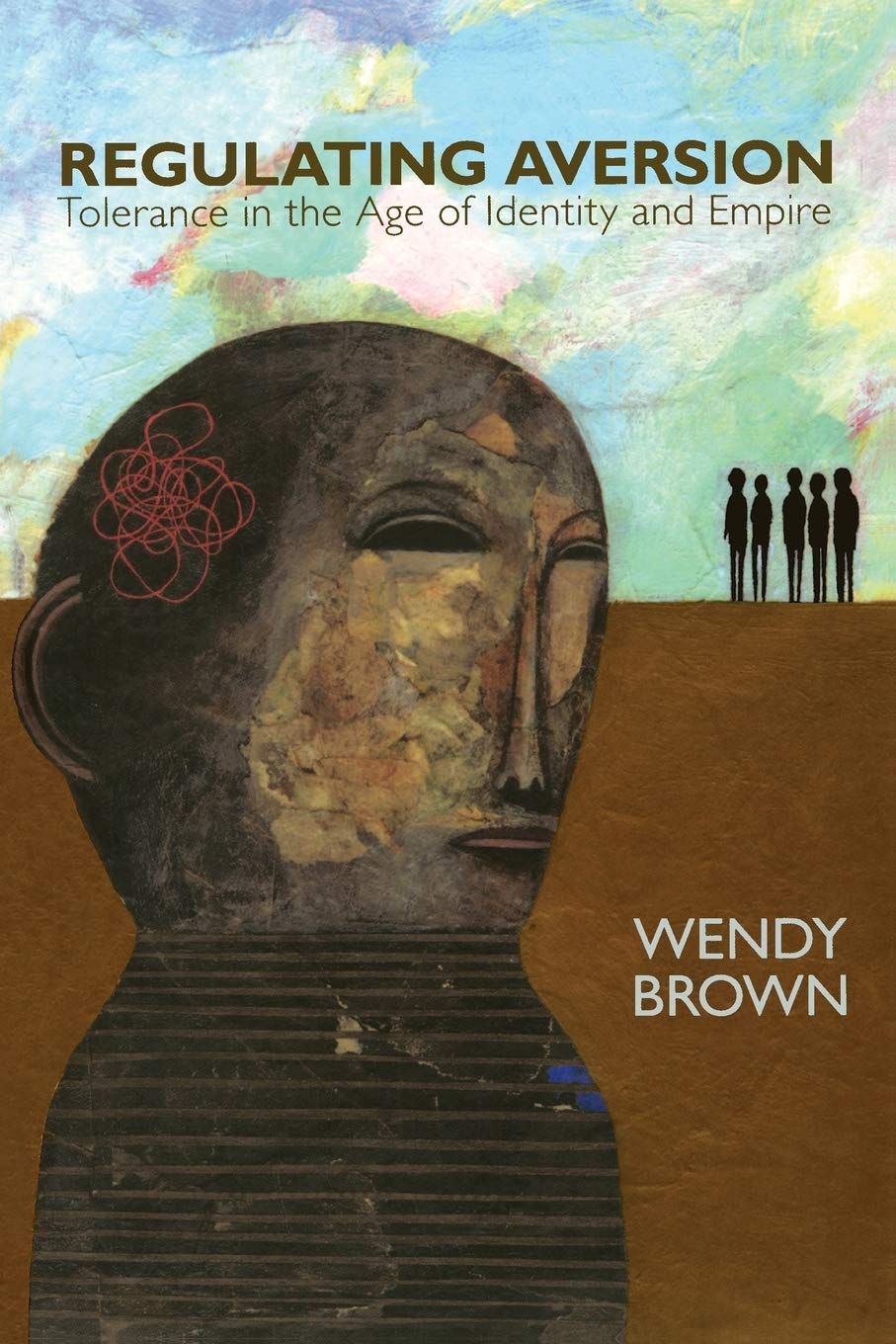
Title
Regulating Aversion: Tolerance In The Age Of Identity And Empire
Sold by Ergodebooks, an authorized reseller.
Returns accepted within 30 days | support@ergodebooks.com
Shipping Information
- Free Standard Shipping — United States only
- Processing Time: 3–5 business days
- Estimated Delivery: 6–10 business days after dispatch
- Double-boxed, fully insured & discreetly packaged
- Tracking number sent via email once dispatched
Returns & Refund
Returns accepted within 30 days of delivery.
Damaged or Defective Item
Free return shipping + replacement or full refund
Wrong Item Received
Free return shipping + replacement or full refund
Change of Mind
Return shipping at customer's expense · 25% restocking fee applies
Payment Option

Tolerance Is Generally Regarded As An Unqualified Achievement Of The Modern West. Emerging In Early Modern Europe To Defuse Violent Religious Conflict And Reduce Persecution, Tolerance Today Is Hailed As A Key To Decreasing Conflict Across A Wide Range Of Other Dividing Lines Cultural, Racial, Ethnic, And Sexual. But, As Political Theorist Wendy Brown Argues In Regulating Aversion, Tolerance Also Has Dark And Troubling Undercurrents.Dislike, Disapproval, And Regulation Lurk At The Heart Of Tolerance. To Tolerate Is Not To Affirm But To Conditionally Allow What Is Unwanted Or Deviant. And, Although Presented As An Alternative To Violence, Tolerance Can Play A Part In Justifying Violencedramatically So In The War In Iraq And The War On Terror. Wielded, Especially Since 9/11, As A Way Of Distinguishing A Civilized West From A Barbaric Islam, Tolerance Is Paradoxically Underwriting Western Imperialism.Brown'S Analysis Of The History And Contemporary Life Of Tolerance Reveals It In A Startlingly Unfamiliar Guise. Heavy With Norms And Consolidating The Dominance Of The Powerful, Tolerance Sustains The Abjection Of The Tolerated And Equates The Intolerant With The Barbaric. Examining The Operation Of Tolerance In Contexts As Different As The War On Terror, Campaigns For Gay Rights, And The Los Angeles Museum Of Tolerance, Brown Traces The Operation Of Tolerance In Contemporary Struggles Over Identity, Citizenship, And Civilization.
⚠️ WARNING (California Proposition 65):
This product may contain chemicals known to the State of California to cause cancer, birth defects, or other reproductive harm.
For more information, please visit www.P65Warnings.ca.gov.
- Q: What is the page count of 'Regulating Aversion'? A: This book has two hundred eighty-eight pages. It provides an in-depth analysis of tolerance in contemporary society.
- Q: What are the dimensions of the book? A: The dimensions of 'Regulating Aversion' are six inches in length, nine and a quarter inches in height, and three-quarters of an inch in width.
- Q: What type of binding does this book have? A: This book is available in paperback binding. Paperback editions are known for being lightweight and flexible.
- Q: How do I read 'Regulating Aversion'? A: You can read this book by obtaining a physical or digital copy. It's suitable for those interested in political theory and societal issues.
- Q: Is 'Regulating Aversion' appropriate for all audiences? A: Yes, this book is suitable for adult readers. It covers complex themes surrounding identity and tolerance.
- Q: What themes are explored in 'Regulating Aversion'? A: This book explores themes of tolerance, identity, and power dynamics. It critically examines how tolerance can justify violence.
- Q: How should I care for this paperback book? A: To care for this book, store it in a cool, dry place. Avoid exposing it to direct sunlight to prevent fading.
- Q: Are there any safety concerns with this book? A: No, there are no safety concerns associated with reading 'Regulating Aversion'. It is a scholarly work focusing on social issues.
- Q: How do I store 'Regulating Aversion' properly? A: Store this book upright on a shelf or in a bookcase. Ensure it is not stacked under heavy items to prevent damage.
- Q: How does 'Regulating Aversion' compare to other political theory books? A: This book offers a unique perspective on tolerance compared to other political theory texts. It emphasizes the darker implications of tolerance.
- Q: Who is the author of 'Regulating Aversion'? A: The author of this book is Wendy Brown. She is a renowned political theorist known for her critical insights.
- Q: What makes 'Regulating Aversion' a significant read? A: This book is significant for its critical analysis of tolerance in contemporary conflicts. It challenges conventional views on this topic.
- Q: What if my copy of 'Regulating Aversion' arrives damaged? A: If your copy arrives damaged, contact the seller for a return or exchange. Most sellers have policies in place for such issues.
- Q: Can I return 'Regulating Aversion' if I'm not satisfied? A: Yes, you can typically return the book if you are not satisfied. Check the seller's return policy for specific details.
- Q: Where can I find more information about this book? A: You can find more information about 'Regulating Aversion' on the publisher's website or through various online retailers.