If you have any questions, you are always welcome to contact us. We'll get back to you as soon as possible, withing 24 hours on weekdays.
Customer service
All questions about your order, return and delivery must be sent to our customer service team by e-mail at yourstore@yourdomain.com
Sale & Press
If you are interested in selling our products, need more information about our brand or wish to make a collaboration, please contact us at press@yourdomain.com
Help
If you have any questions, you are always welcome to contact us. We'll get back to you as soon as possible, withing 24 hours on weekdays.
Customer service
All questions about your order, return and delivery must be sent to our customer service team by e-mail at yourstore@yourdomain.com
Sale & Press
If you are interested in selling our products, need more information about our brand or wish to make a collaboration, please contact us at press@yourdomain.com
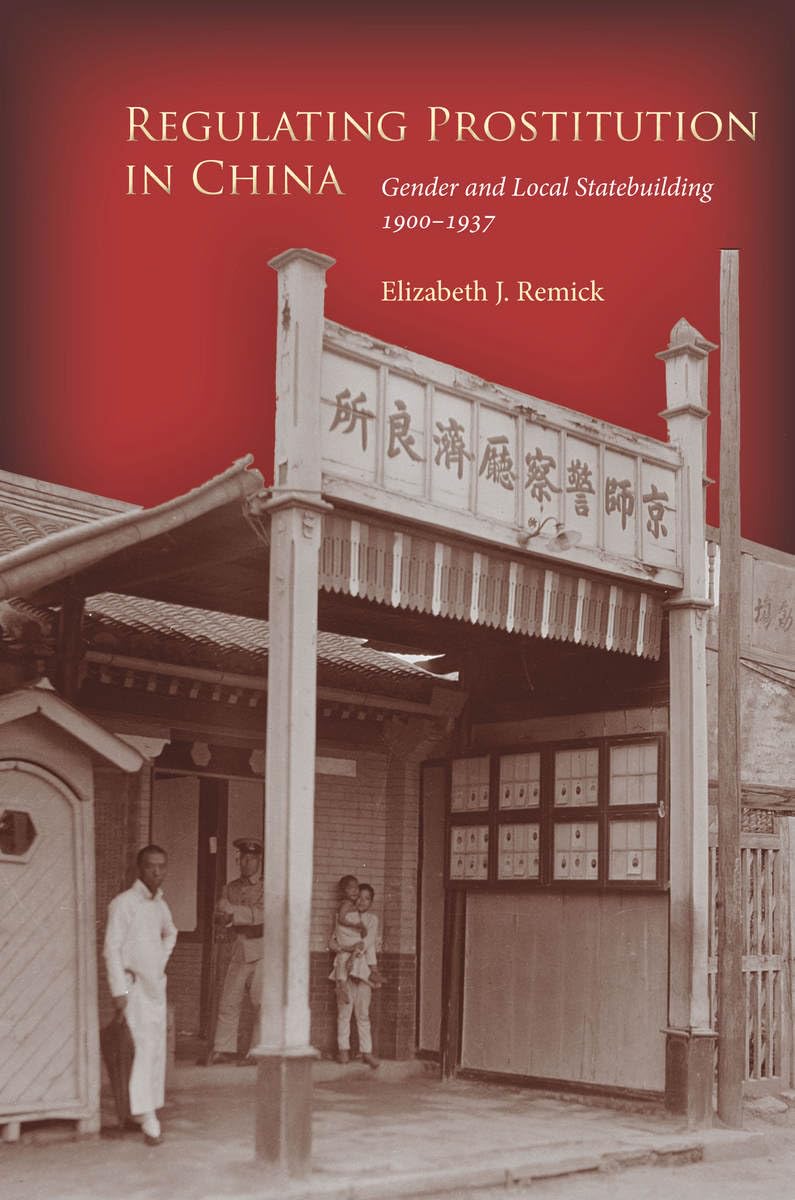
In the early decades of the twentieth century, prostitution was one of only a few fates available to women and girls besides wife, servant, or factory worker. At the turn of the century, cities across China began to register, tax, and monitor prostitutes, taking different forms in different cities. Intervention by way of prostitution regulation connected the local state, politics, and gender relations in important new ways. The decisions that local governments made about how to deal with gender, and specifically the thorny issue of prostitution, had concrete and measurable effects on the structures and capacities of the state.This book examines how the ways in which local government chose to shape the institution of prostitution ended up transforming local states themselves. It begins by looking at the origins of prostitution regulation in Europe and how it spread from there to China via Tokyo. Elizabeth Remick then drills down into the different regulatory approaches of Guangzhou (revenueintensive), Kunming (coercionintensive), and Hangzhou (light regulation). In all three cases, there were distinct consequences and implications for statebuilding, some of which made governments bigger and wealthier, some of which weakened and undermined development. This study makes a strong case for why gender needs to be written into the story of statebuilding in China, even though women, generally barred from political life at that time in China, were not visible political actors.
⚠️ WARNING (California Proposition 65):
This product may contain chemicals known to the State of California to cause cancer,
birth defects, or other reproductive harm.
For MAP (Minimum Advertised Price) violations and Intellectual Property (IP) or Trademark concerns, please contact:
support@ergodebooks.com
⚠️ California Proposition 65 Warning: Some products sold on this website may expose you to chemicals known to the State of California to cause cancer, birth defects, or other reproductive harm. For more information, visit www.P65Warnings.ca.gov.