
Title
Reinventing Africa: Museums, Material Culture And Popular Imagination In Late Victorian And Edwardian England
Sold by Ergodebooks, an authorized reseller.
Returns accepted within 30 days | support@ergodebooks.com
Shipping Information
- Free Standard Shipping — United States only
- Processing Time: 3–5 business days
- Estimated Delivery: 6–10 business days after dispatch
- Double-boxed, fully insured & discreetly packaged
- Tracking number sent via email once dispatched
Returns & Refund
Returns accepted within 30 days of delivery.
Damaged or Defective Item
Free return shipping + replacement or full refund
Wrong Item Received
Free return shipping + replacement or full refund
Change of Mind
Return shipping at customer's expense · 25% restocking fee applies
Payment Option

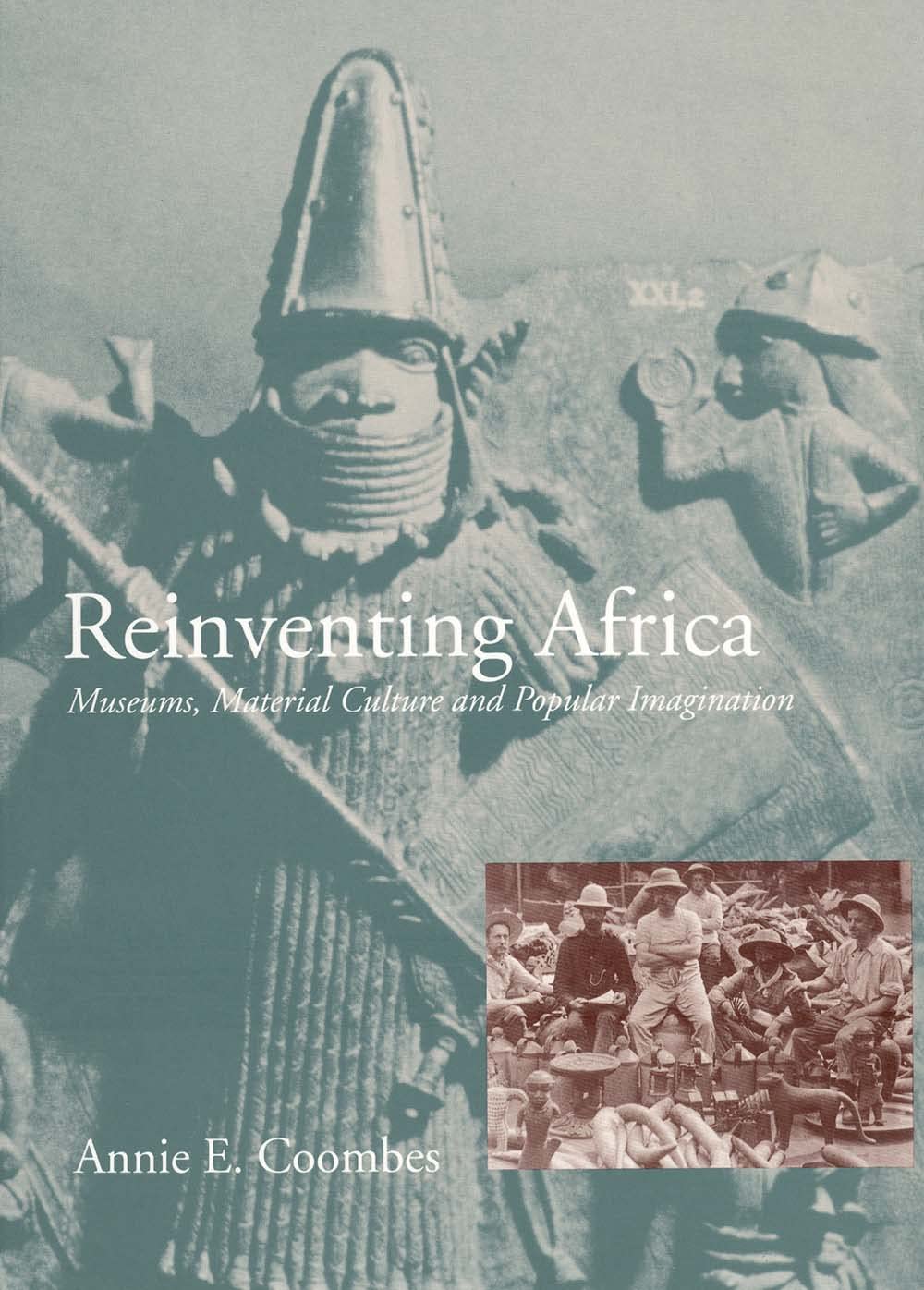
Between 1890 And 1918, British Colonial Expansion In Africa Led To The Removal Of Many African Artifacts That Were Subsequently Brought To Britain And Displayed. Annie Coombes Argues That This Activity Had Profound Repercussions For The Construction Of A National Identity Within Britain Itselfthe Effects Of Which Are Still With Us Today.Through A Series Of Detailed Case Studies, Coombes Analyzes The Popular And Scientific Knowledge Of Africa Which Shaped A Diverse Public'S Perception Of That Continent: The Looting And Display Of The Benin Bronzes From Nigeria; Ethnographic Museums; The Mass Spectacle Of Largescale International And Missionary Exhibitions And Colonial Exhibitions Such As The Stanley And African Of 1890; Together With The Critical Reaction To Such Events In British National Newspapers, The Radical And Humanitarian Press And The West African Press.Coombes Argues That Although Endlessly Reiterated Racial Stereotypes Were Disseminated Through Popular Images Of All Things African, This Was No Simple Reproduction Of Imperial Ideology. There Were A Number Of Different And Sometimes Conflicting Representations Of Africa And Of What It Was To Be Africanrepresentations That Varied According To Political, Institutional, And Disciplinary Pressures. The Professionalization Of Anthropology Over This Period Played A Crucial Role In The Popularization Of Contradictory Ideas About African Culture To A Mass Public.Pioneering In Its Research, This Book Offers Valuable Insights For Art And Design Historians, Historians Of Imperialism And Anthropology, Anthropologists, And Museologists.
⚠️ WARNING (California Proposition 65):
This product may contain chemicals known to the State of California to cause cancer, birth defects, or other reproductive harm.
For more information, please visit www.P65Warnings.ca.gov.
- Q: How many pages does this book have? A: This book has two hundred ninety-two pages. It provides an extensive exploration of British colonial expansion in Africa.
- Q: What are the dimensions of the book? A: The dimensions of this book are approximately nine point ninety-eight inches in length, seven point fifty-two inches in width, and zero point sixty-seven inches in height.
- Q: What type of binding does the book have? A: This book is paperback bound. This makes it lightweight and easy to handle, ideal for reading.
- Q: What is the main topic of this book? A: The main topic is the impact of British colonialism on African artifacts and identity. It discusses historical perceptions shaped by colonial exhibitions.
- Q: Is this book suitable for academic study? A: Yes, this book is suitable for academic study. It offers valuable insights for historians, anthropologists, and museologists.
- Q: Can I read this book for pleasure? A: Yes, you can read this book for pleasure. It provides engaging narratives and critical discussions on cultural representation.
- Q: Is this book appropriate for all age groups? A: Yes, this book is appropriate for older teens and adults. The content is scholarly and discusses complex historical themes.
- Q: How should I store this book? A: Store this book in a cool, dry place. Ensure it is upright or flat to maintain its shape and condition.
- Q: Can I lend this book to someone? A: Yes, you can lend this book to someone. Just ensure it is returned in good condition.
- Q: What if the book arrives damaged? A: If the book arrives damaged, contact the seller immediately for a return or replacement. Most sellers have return policies to address such issues.
- Q: Is there a warranty on this book? A: No, there is typically no warranty on books. However, check the seller's return policy for any guarantees.
- Q: Where can I find more books like this? A: You can find more books like this at academic bookstores or online platforms specializing in cultural studies and history.
- Q: What is the author's background? A: The author, Annie Coombes, is a scholar specializing in art and design history, particularly in relation to imperialism and anthropology.
- Q: Does this book cover specific case studies? A: Yes, the book covers several detailed case studies, including the Benin bronzes and ethnographic museums.
- Q: What themes are explored in this book? A: Themes explored include colonialism, national identity, and the representation of African culture in British society.
- Q: Is this book part of a series? A: No, this book is not part of a series. It stands alone in its exploration of cultural history.