
Title
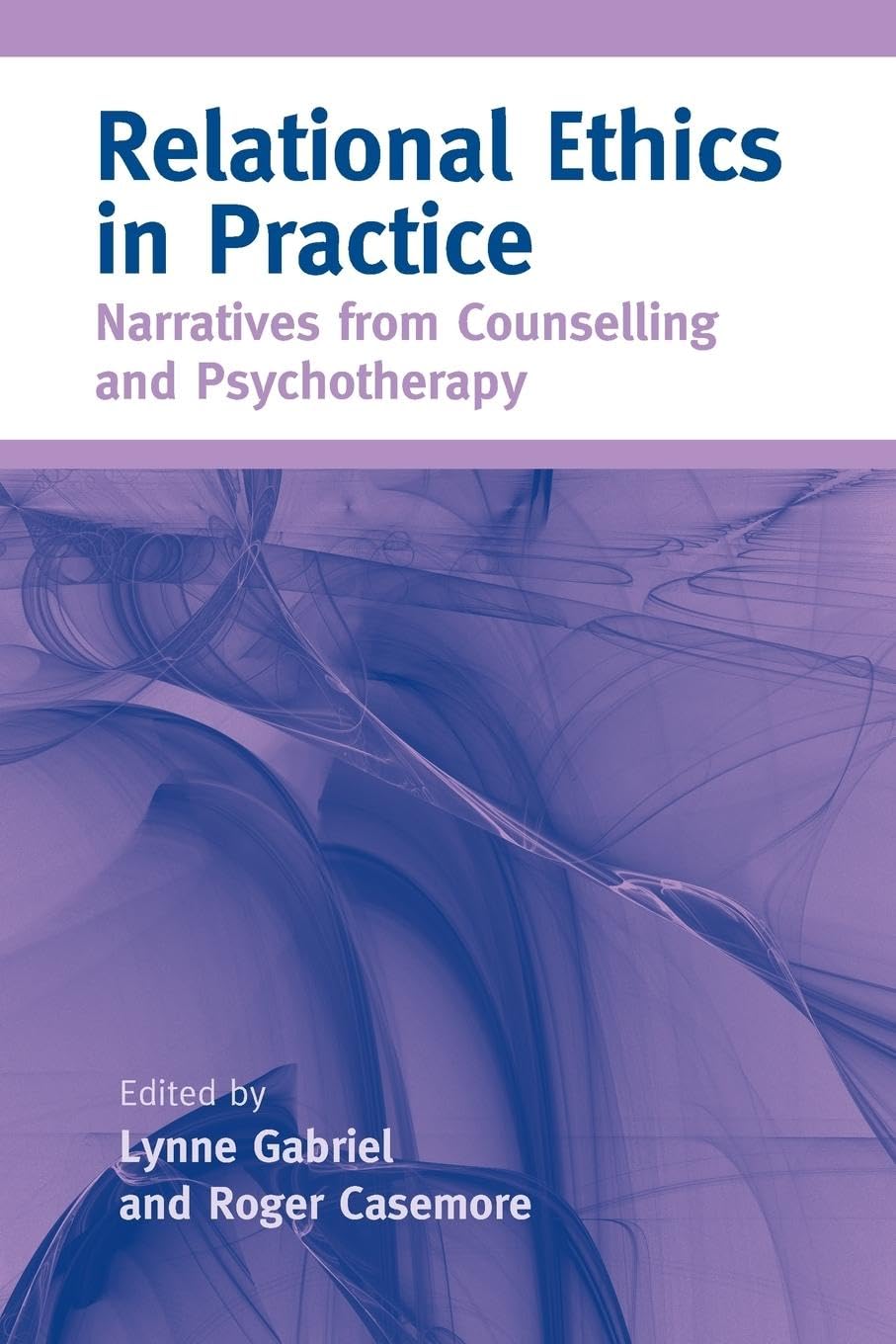
Relational Ethics In Practice: Narratives From Counselling And Psychotherapy
Sold by Ergodebooks, an authorized reseller.
Returns accepted within 30 days | support@ergodebooks.com
Shipping Information
- Free Standard Shipping — United States only
- Processing Time: 3–5 business days
- Estimated Delivery: 6–10 business days after dispatch
- Double-boxed, fully insured & discreetly packaged
- Tracking number sent via email once dispatched
Returns & Refund
Returns accepted within 30 days of delivery.
Damaged or Defective Item
Free return shipping + replacement or full refund
Wrong Item Received
Free return shipping + replacement or full refund
Change of Mind
Return shipping at customer's expense · 25% restocking fee applies
Payment Option

Relational Ethics In Practice Presents A New Collection Of Narratives On Ethics In Daytoday Therapeutic Practice. Highly Experienced Professionals From A Range Of Roles In The Therapeutic Professions Explore Ways Of Developing Ethical And Effective Relationships. The Contributors Provide The Reader With Engaging And Informative Narratives That Indicate How Ethics Can Inform And Influence Practice In A Variety Of Clinical Contexts Across The Helping Professions. These Personal And Professional Narratives Will Encourage People To Think More Proactively About Ethics And The Impact That They Have On Both Therapeutic Practice, And Life In General.Throughout This Book, Lynne Gabriel, Roger Casemore And Their Contributors Emphasise That The Consideration Of The Ethical Dimension Is Of Paramount Importance To Successful Processes And Outcomes In Every Therapeutic Relationship. Chapters Cover A Number Of Topics Including: How Theoretical Approaches Can Inform Ethical Decision Making And Practice Practical Difficulties And Ethical Challenges Innovative And Unconventional Approaches Informed Consent Across Various Contexts Pointers For Good Practice The Notion Of The 'Wounded Healer'.Relational Ethics In Practice: Narratives From Counselling And Psychotherapy Will Appeal To A Wide Range Of Readers Involved In The Helping Professions Including Counsellors, Psychotherapists, Researchers, Supervisors And Trainees.
⚠️ WARNING (California Proposition 65):
This product may contain chemicals known to the State of California to cause cancer, birth defects, or other reproductive harm.
For more information, please visit www.P65Warnings.ca.gov.
- Q: What is the main focus of 'Relational Ethics in Practice'? A: The book focuses on ethical considerations in therapeutic relationships, offering narratives from experienced professionals about how ethics inform and influence practice.
- Q: Who are the authors of this book? A: The book is authored by Lynne Gabriel and Roger Casemore, along with contributions from various professionals in the therapeutic field.
- Q: What topics are covered in this book? A: Topics include ethical decision making, practical difficulties, innovative approaches, informed consent, good practice pointers, and the concept of the 'wounded healer'.
- Q: What kind of readers would benefit from this book? A: The book is suitable for counselors, psychotherapists, researchers, supervisors, and trainees in the helping professions.
- Q: Is this book suitable for beginners in counseling? A: While it offers valuable insights, the narratives are likely more beneficial for professionals with some experience in counseling and psychotherapy.
- Q: How long is 'Relational Ethics in Practice'? A: The book has a total of 208 pages.
- Q: What is the binding type of this book? A: The book is available in paperback binding.
- Q: When was 'Relational Ethics in Practice' published? A: The book was published on April 30, 2009.
- Q: Does this book contain practical examples? A: Yes, it includes engaging narratives that provide practical examples of ethical challenges and decision-making in therapeutic contexts.
- Q: Can this book help with ethical dilemmas in practice? A: Yes, it encourages readers to think proactively about ethics and offers insights on addressing ethical dilemmas in therapeutic settings.