
Title
Relationship Processes and Resilience in Children With Incarcerated Parents,Used
Sold by Ergodebooks, an authorized reseller.
Returns accepted within 30 days | support@ergodebooks.com
Shipping Information
- Free Standard Shipping — United States only
- Processing Time: 3–5 business days
- Estimated Delivery: 6–10 business days after dispatch
- Double-boxed, fully insured & discreetly packaged
- Tracking number sent via email once dispatched
Returns & Refund
Returns accepted within 30 days of delivery.
Damaged or Defective Item
Free return shipping + replacement or full refund
Wrong Item Received
Free return shipping + replacement or full refund
Change of Mind
Return shipping at customer's expense · 25% restocking fee applies
Payment Option

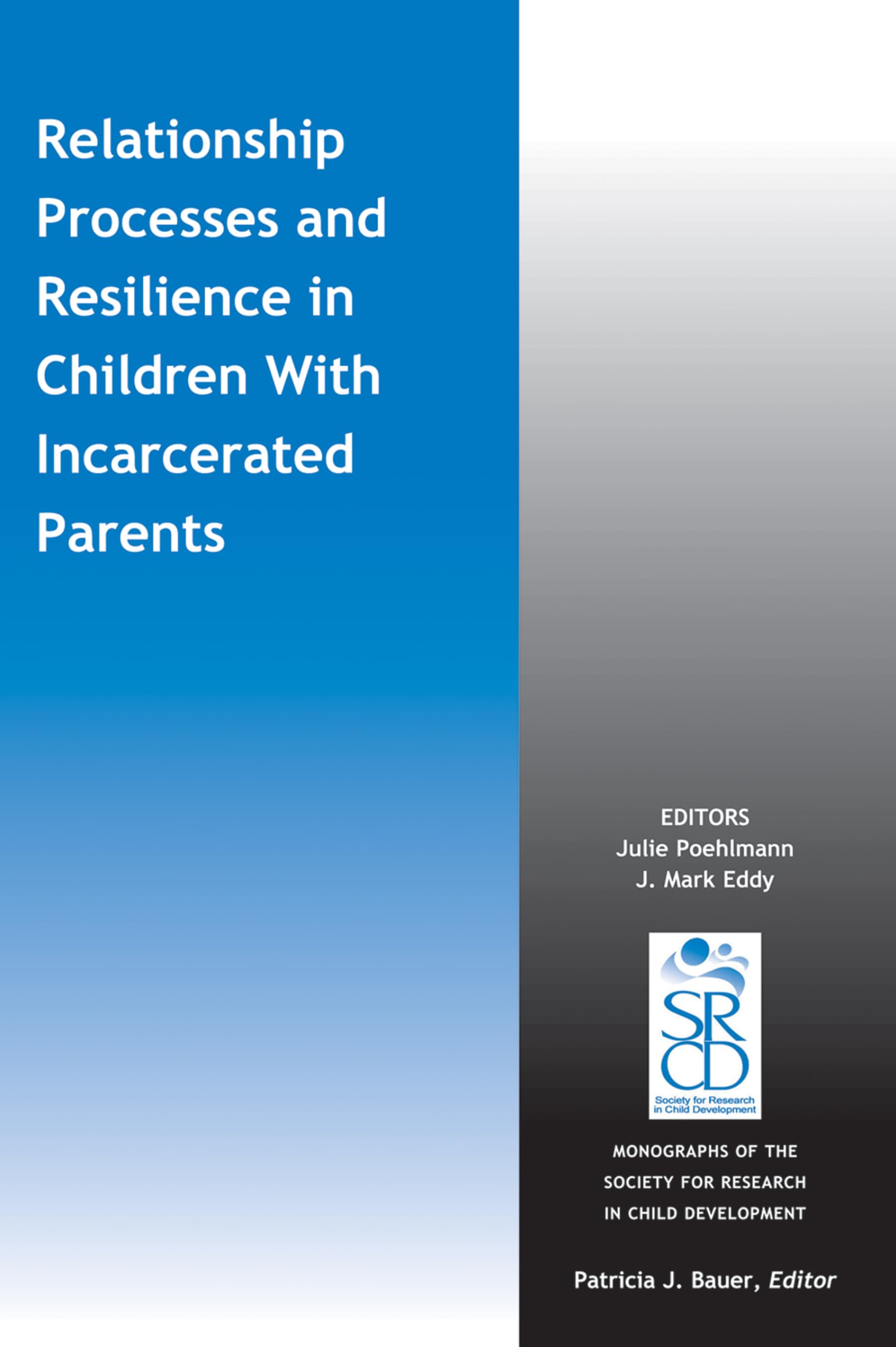
Children with incarcerated parents are at risk for a variety of problematic outcomes, yet research has rarely examined protective factors or resilience processes that might mitigate such risk in this population. In this volume, we present findings from fi ve new studies that focus on child or familylevel resilience processes in children with parents currently or recently incarcerated in jail or prison. In the fi rst study, empathic responding is examined as a protective factor against aggressive peer relations for 210 elementary school age children of incarcerated parents. The second study further examines socially aggressive behaviors with peers, with a focus on teasing and bullying, in a sample of 61 children of incarcerated mothers. Emotion regulation is examined as a possible protective factor. The third study contrasts childrens placement with maternal grandmothers versus other caregivers in a sample of 138 mothers incarcerated in a medium security state prison. The relation between a history of positive attachments between mothers and grandmothers and the current cocaregiving alliance are of particular interest. The fourth study examines coparenting communication in depth on the basis of observations of 13 families with young children whose mothers were recently released from jail. Finally, in the fi fth study, the proximal impacts of a parent management training intervention on individual functioning and family relationships are investigated in a diverse sample of 359 imprisoned mothers and fathers. Taken together, these studies further our understanding of resilience processes in children of incarcerated parents and their families and set the groundwork for further research on child development and family resilience within the context of parental involvement in the criminal justice system.
⚠️ WARNING (California Proposition 65):
This product may contain chemicals known to the State of California to cause cancer, birth defects, or other reproductive harm.
For more information, please visit www.P65Warnings.ca.gov.