
Title
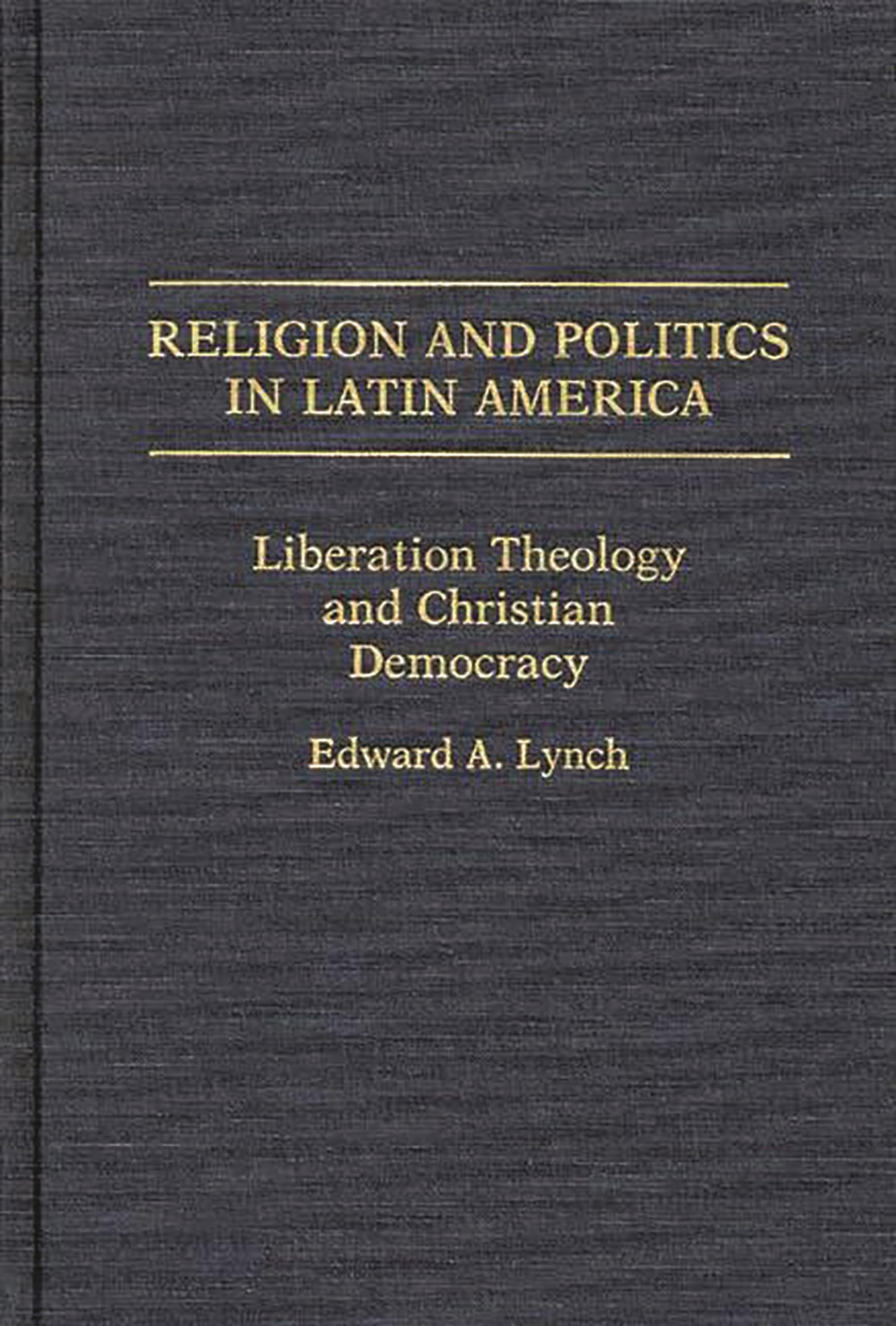
Religion And Politics In Latin America: Liberation Theology And Christian Democracy
Sold by Ergodebooks, an authorized reseller.
Returns accepted within 30 days | support@ergodebooks.com
Shipping Information
- Free Standard Shipping — United States only
- Processing Time: 3–5 business days
- Estimated Delivery: 6–10 business days after dispatch
- Double-boxed, fully insured & discreetly packaged
- Tracking number sent via email once dispatched
Returns & Refund
Returns accepted within 30 days of delivery.
Damaged or Defective Item
Free return shipping + replacement or full refund
Wrong Item Received
Free return shipping + replacement or full refund
Change of Mind
Return shipping at customer's expense · 25% restocking fee applies
Payment Option

What Drives Religious People To Act In Politics? In Latin America, As In The Middle East, Religious Belief Is A Primary Motivating Factor For Politically Active Citizens. Edward Lynch Questions The Frequent Pitfall Of Latin American Scholarshipcategorizing Religious Belief As A Veil For Another Interest Or As A Purview Just Of Churchmen, Thereby Ignoring Its Hold Over Lay People. Challenging This Traditional View, Lynch Concludes That Religious Motivations Are Important In Their Own Right And Raises Important Questions About The Relationship Between Religion And Politics In Latin America. Looking At The Two Most Important Catholic Lay Movements, Liberation Theology And Christian Democracy, Lynch Uses Nicaragua And Venezuela As Case Studies Of How Religious Philosophy Has Fared When Vested With Political Power. This Timely Study Describes The Motivations Driving Many Important Political Actors.Divided Into Two Parts, Ideologies In Theory And Ideologies In Practice, This Volume Features A Discussion Of The Theoretical Background Of Two Catholic Philosophies. Using Nicaragua And Venezuela As Case Studies, Lynch Finds That Liberation Theology And Christian Democracy Are Not As Different As Many Scholars Think; In Fact, There Are Many Parellels. He Concludes That Both Philosophies Face Their Strongest Challenge From A Revitalized Orthodox Catholic Social Doctrine.
⚠️ WARNING (California Proposition 65):
This product may contain chemicals known to the State of California to cause cancer, birth defects, or other reproductive harm.
For more information, please visit www.P65Warnings.ca.gov.
- Q: What is the main focus of 'Religion and Politics in Latin America'? A: The book examines the influence of religious belief on political action in Latin America, particularly through the lenses of Liberation Theology and Christian Democracy.
- Q: Who is the author of this book? A: The author is Edward A. Lynch.
- Q: What are the key themes discussed in this book? A: Key themes include the motivations behind religious political activism, the relationship between religion and politics, and the comparison of Liberation Theology and Christian Democracy.
- Q: Is this book suitable for academic study? A: Yes, the book is well-suited for academic study, particularly for those interested in political science, religious studies, and Latin American studies.
- Q: What are the case studies used in this book? A: The book utilizes Nicaragua and Venezuela as case studies to illustrate the impact of religious philosophies on political power.
- Q: How many pages does the book have? A: The book contains 216 pages.
- Q: What is the publication date of this book? A: The book was published on April 30, 1991.
- Q: What is the binding type of this book? A: This book is bound in hardcover.
- Q: What condition is the book in? A: The book is in new condition.
- Q: Are there any notable features of the book? A: While it does not have specific features listed, the book's detailed analysis of ideologies in theory and practice is a significant aspect.