If you have any questions, you are always welcome to contact us. We'll get back to you as soon as possible, withing 24 hours on weekdays.
Customer service
All questions about your order, return and delivery must be sent to our customer service team by e-mail at yourstore@yourdomain.com
Sale & Press
If you are interested in selling our products, need more information about our brand or wish to make a collaboration, please contact us at press@yourdomain.com
Help
If you have any questions, you are always welcome to contact us. We'll get back to you as soon as possible, withing 24 hours on weekdays.
Customer service
All questions about your order, return and delivery must be sent to our customer service team by e-mail at yourstore@yourdomain.com
Sale & Press
If you are interested in selling our products, need more information about our brand or wish to make a collaboration, please contact us at press@yourdomain.com
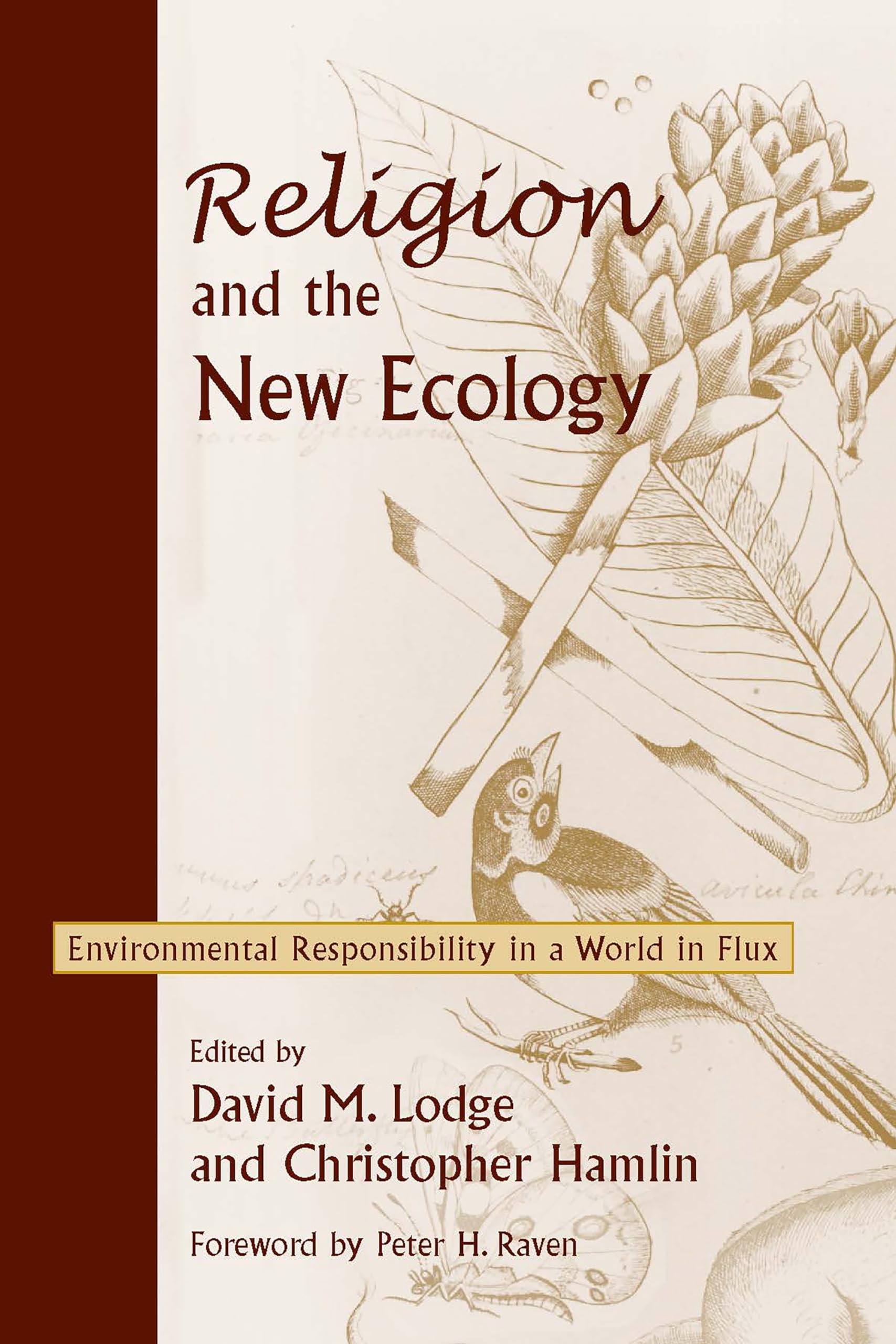
For many years, ecologists and the environmentalists who looked to ecology for authority depicted a dichotomy between a pristine, stable nature and disruptive human activity. Most contemporary ecologists, however, conceive of nature as undergoing continual change and find that 'flux of nature' is a more accurate and fruitful metaphor than 'balance of nature.'The contributors to this volume address how this new paradigm fits into the broader history of ecological science and the cultural history of the West and, in particular, how environmental ethics and ecotheology should respond to it. Their discussions ask us to reconsider the intellectual foundations on which theories of human responsibility to nature are built. The provisional answer that develops throughout the book is to reintegrate scientific understanding of nature and human values, two realms of thought severed by intellectual and cultural forces during the last two centuries. Religious reflection and practice point the way toward a new humility in making the tough decisions and tradeoffs that will always characterize environmental management.Timely and challenging, the essays suggest avenues toward a new framework for interdisciplinary conversation among theologians, philosophers, historians, and environmental ethicists.Contributors: David M. Lodge, Christopher Hamlin, Elspeth Whitney, Mark Stoll, Eugene Cittadino, Kyle S. Van Houtan, Stuart L. Pimm, Gary E. Belovsky, Peter S. White, Patricia A. Fleming, John F. Haught, and Larry Rasmussen.
⚠️ WARNING (California Proposition 65):
This product may contain chemicals known to the State of California to cause cancer,
birth defects, or other reproductive harm.
For MAP (Minimum Advertised Price) violations and Intellectual Property (IP) or Trademark concerns, please contact:
support@ergodebooks.com
⚠️ California Proposition 65 Warning: Some products sold on this website may expose you to chemicals known to the State of California to cause cancer, birth defects, or other reproductive harm. For more information, visit www.P65Warnings.ca.gov.