If you have any questions, you are always welcome to contact us. We'll get back to you as soon as possible, withing 24 hours on weekdays.
Customer service
All questions about your order, return and delivery must be sent to our customer service team by e-mail at yourstore@yourdomain.com
Sale & Press
If you are interested in selling our products, need more information about our brand or wish to make a collaboration, please contact us at press@yourdomain.com
Help
If you have any questions, you are always welcome to contact us. We'll get back to you as soon as possible, withing 24 hours on weekdays.
Customer service
All questions about your order, return and delivery must be sent to our customer service team by e-mail at yourstore@yourdomain.com
Sale & Press
If you are interested in selling our products, need more information about our brand or wish to make a collaboration, please contact us at press@yourdomain.com
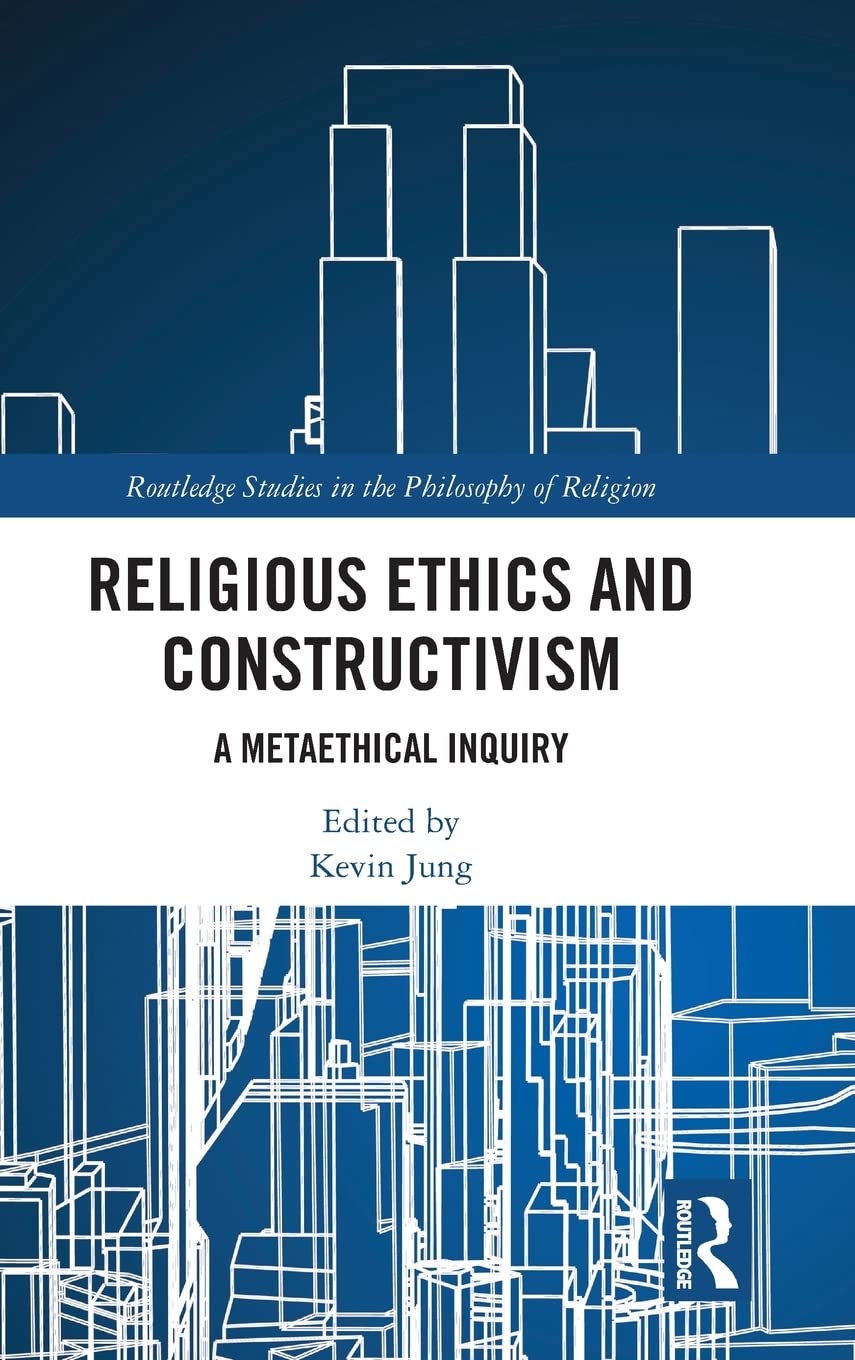
In metaethics, there is a divide between those who believe that there exist moral facts independently of human interests and attitudes (i.e., moral realists) and those who dont (i.e., antirealists). In the last half century, the field of religious ethics has been inundated with various antirealist schools of moral thought. Though there is a wide spectrum of different positons within antirealism, a majority of antirealist religious ethicists tend to see moral belief as an historically dependent social construction. This has created an environment where doing religious ethics in any metaphysically substantial sense is often seen not only as out of fashion but also as philosophically implausible.However, there is a lack of clarity as to what antirealists exactly mean by 'construction' and what arguments they would use to support their views. Religious Ethics and Constructivism brings together a diverse group of scholars who represent different philosophical and theological outlooks to discuss the merits of constructivism visvis religious ethics. The essays explore four different kinds of constructivism in metaethics: social (or Hegelian) constructivism, Kantian constructivism, Humean constructivism, and theological constructivism. The overall aim of these essays is to foster dialogue between religious ethicists and moral philosophers, and to open the field religious ethics to the insights that can be provided by contemporary metaethics.
⚠️ WARNING (California Proposition 65):
This product may contain chemicals known to the State of California to cause cancer,
birth defects, or other reproductive harm.
For MAP (Minimum Advertised Price) violations and Intellectual Property (IP) or Trademark concerns, please contact:
support@ergodebooks.com
⚠️ California Proposition 65 Warning: Some products sold on this website may expose you to chemicals known to the State of California to cause cancer, birth defects, or other reproductive harm. For more information, visit www.P65Warnings.ca.gov.