
Title
Religious Freedom And Mass Conversion In India (Pennsylvania Studies In Human Rights),New
Sold by Ergodebooks, an authorized reseller.
Returns accepted within 30 days | support@ergodebooks.com
Shipping Information
- Free Standard Shipping — United States only
- Processing Time: 3–5 business days
- Estimated Delivery: 6–10 business days after dispatch
- Double-boxed, fully insured & discreetly packaged
- Tracking number sent via email once dispatched
Returns & Refund
Returns accepted within 30 days of delivery.
Damaged or Defective Item
Free return shipping + replacement or full refund
Wrong Item Received
Free return shipping + replacement or full refund
Change of Mind
Return shipping at customer's expense · 25% restocking fee applies
Payment Option

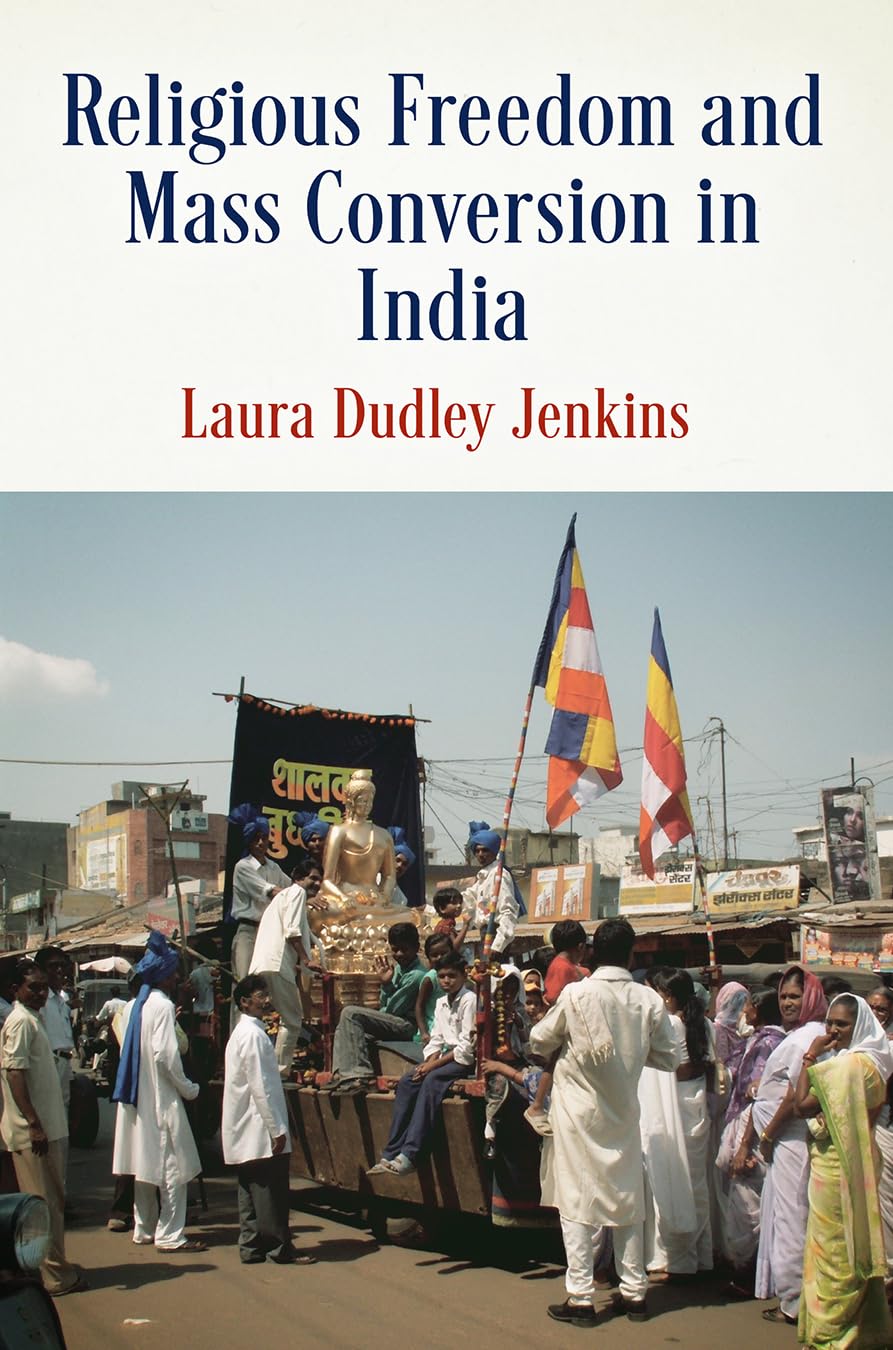
Hinduism is the largest religion in India, encompassing roughly 80 percent of the population, while 14 percent of the population practices Islam and the remaining 6 percent adheres to other religions. The right to 'freely profess, practice, and propagate religion' in India's constitution is one of the most comprehensive articulations of the right to religious freedom. Yet from the late colonial era to the present, mass conversions to minority religions have inflamed majorityminority relations in India and complicated the exercise of this right.In Religious Freedom and Mass Conversion in India, Laura Dudley Jenkins examines three mass conversion movements in India: among Christians in the 1930s, Dalit Buddhists in the 1950s, and Mizo Jews in the 2000s. Critics of these movements claimed mass converts were victims of overzealous proselytizers promising material benefits, but defenders insisted the converts were individuals choosing to convert for spiritual reasons. Jenkins traces the origins of these opposing arguments to the 1930s and 1940s, when emerging human rights frameworks and early social scientific studies of religion posited an ideal convert: an individual making a purely spiritual choice. However, she observes that India's mass conversions did not adhere to this model and therefore sparked scrutiny of mass converts' individual agency and spiritual sincerity.Jenkins demonstrates that the preoccupation with converts' agency and sincerity has resulted in significant challenges to religious freedom. One is the proliferation of legislation limiting induced conversions. Another is the restriction of affirmative action rights of low caste people who choose to practice Islam or Christianity. Last, incendiary rumors are intentionally spread of women being converted to Islam via seduction. Religious Freedom and Mass Conversion in India illuminates the ways in which these tactics immobilize potential converts, reinforce damaging assumptions about women, lower castes, and religious minorities, and continue to restrict religious freedom in India today.
⚠️ WARNING (California Proposition 65):
This product may contain chemicals known to the State of California to cause cancer, birth defects, or other reproductive harm.
For more information, please visit www.P65Warnings.ca.gov.