
Title
Reliving Karbala: Martyrdom In South Asian Memory
Sold by Ergodebooks, an authorized reseller.
Returns accepted within 30 days | support@ergodebooks.com
Shipping Information
- Free Standard Shipping — United States only
- Processing Time: 3–5 business days
- Estimated Delivery: 6–10 business days after dispatch
- Double-boxed, fully insured & discreetly packaged
- Tracking number sent via email once dispatched
Returns & Refund
Returns accepted within 30 days of delivery.
Damaged or Defective Item
Free return shipping + replacement or full refund
Wrong Item Received
Free return shipping + replacement or full refund
Change of Mind
Return shipping at customer's expense · 25% restocking fee applies
Payment Option

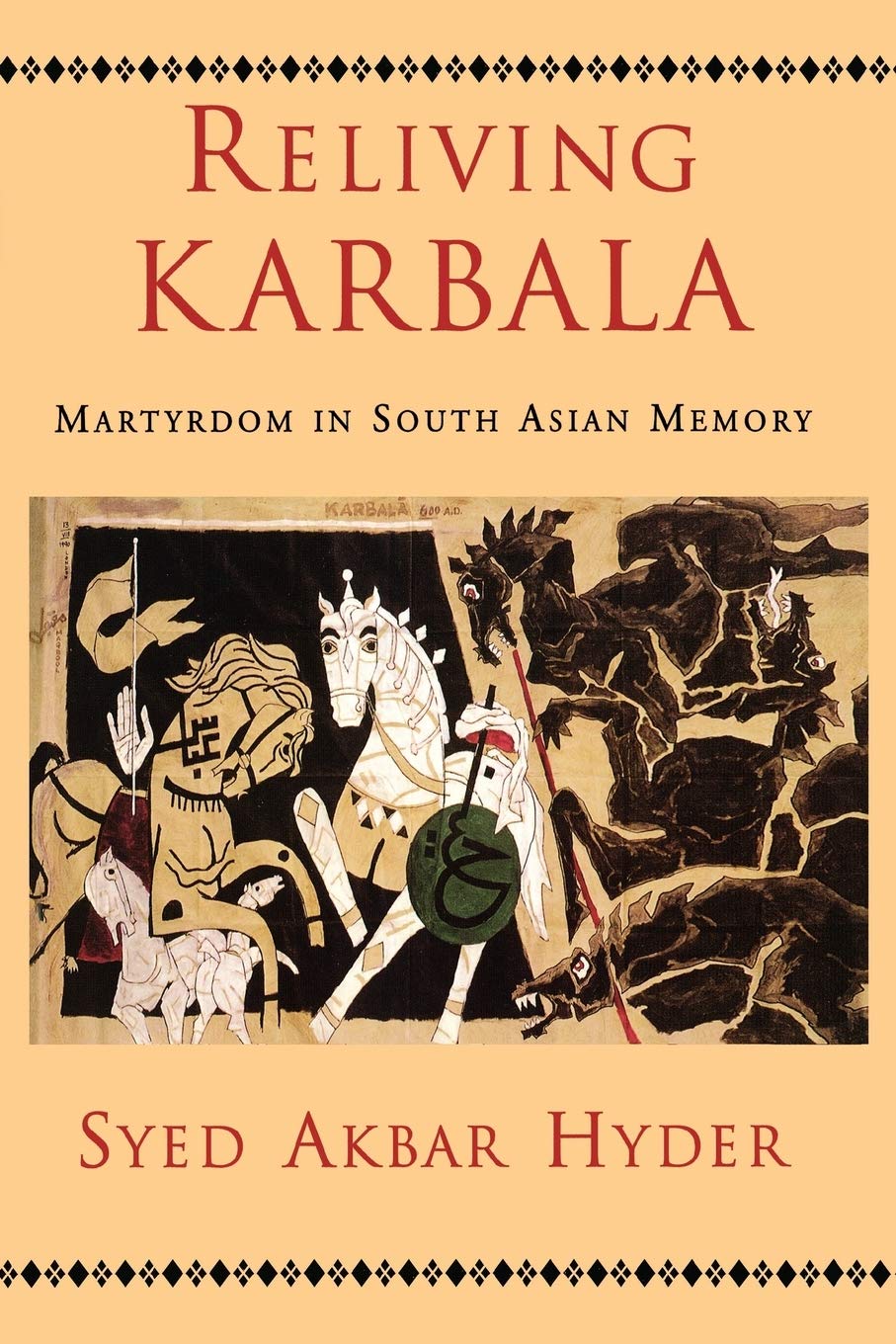
In 680 C.E., a small band of the Prophet Muhammads family and their followers, led by his grandson, Husain, rose up in a rebellion against the ruling caliph, Yazid. The family and its supporters, hopelessly outnumbered, were massacred at Karbala, in modernday Iraq. The story of Karbala is the cornerstone of institutionalized devotion and mourning for millions of Shii Muslims. Apart from its appeal to the Shii community, invocations of Karbala have also come to govern mystical and reformist discourses in the larger Muslim world. Indeed, Karbala even serves as the archetypal resistance and devotional symbol for many nonMuslims. Until now, though, little scholarly attention has been given to the widespread and varied employment of the Karbala event.In Reliving Karbala, Syed Akbar Hyder examines the myriad ways that the Karbala symbol has provided inspiration in South Asia, home to the worlds largest Muslim population. Rather than a unified reading of Islam, Hyder reveals multiple, sometimes conflicting, understandings of the meaning of Islamic religious symbols like Karbala. He ventures beyond traditional, scriptural interpretations to discuss the ways in which millions of very human adherents express and practice their beliefs. By using a panoramic array of sources, including musical performances, interviews, nationalist drama, and other literary forms, Hyder traces the evolution of this story from its earliest historical origins to the beginning of the twentyfirst century.Today, Karbala serves as a celebration of martyrdom, a source of personal and communal identity, and even a tool for political protest and struggle. Hyder explores how issues related to gender, genre, popular culture, class, and migrancy bear on the cultivation of religious symbols. He assesses the manner in which religious language and identities are negotiated across contexts and continents.At a time when words like martyrdom, jihad, and Shiism are being used and misused for political reasons, this book provides muchneeded scholarly redress. Through his multifaceted examination of this seminal event in Islamic history, Hyder offers an original, complex, and nuanced view of religious symbols.
⚠️ WARNING (California Proposition 65):
This product may contain chemicals known to the State of California to cause cancer, birth defects, or other reproductive harm.
For more information, please visit www.P65Warnings.ca.gov.