
Title
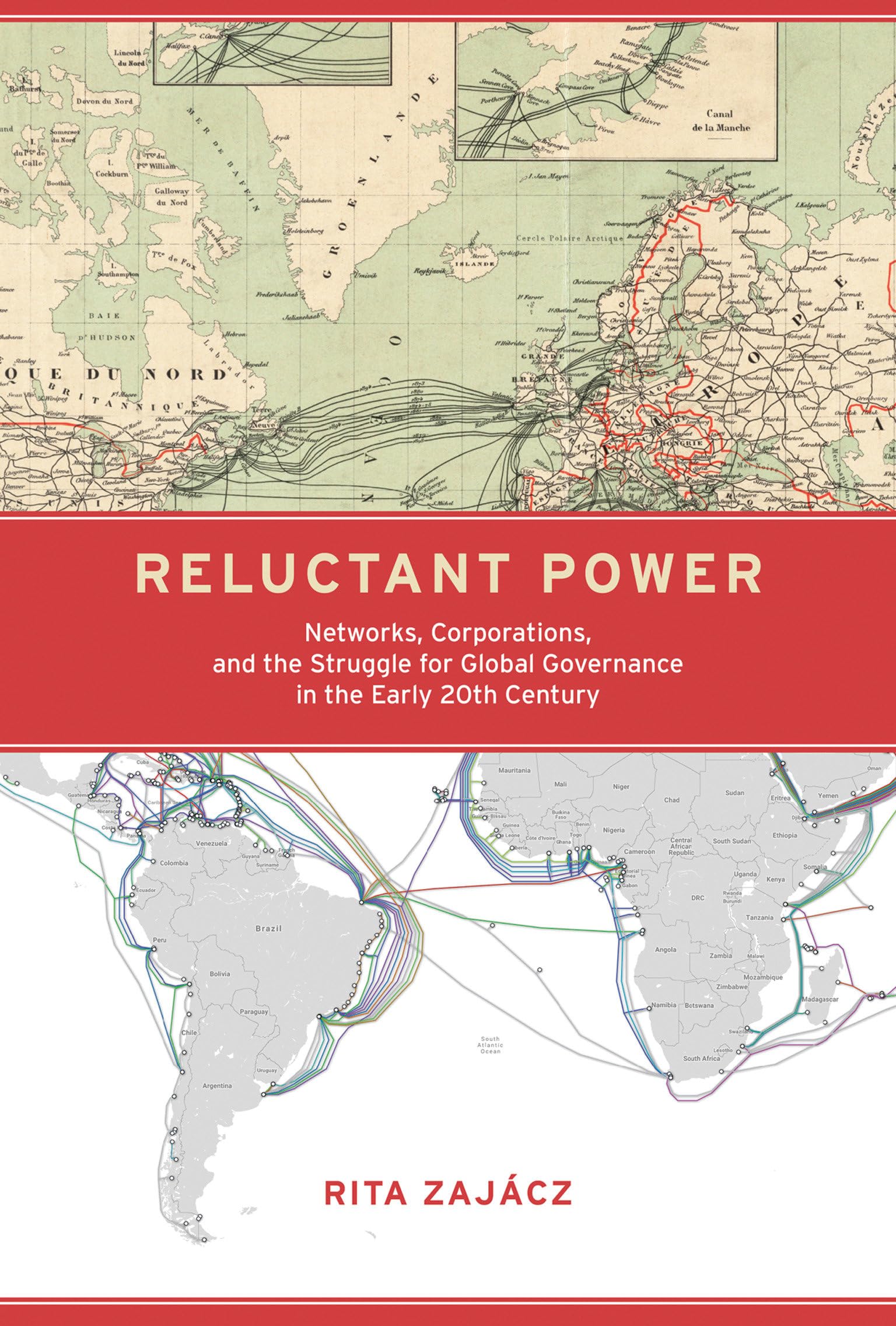
Reluctant Power: Networks, Corporations, and the Struggle for Global Governance in the Early 20th Century (Information Policy),New
Sold by Ergodebooks, an authorized reseller.
Returns accepted within 30 days | support@ergodebooks.com
Shipping Information
- Free Standard Shipping — United States only
- Processing Time: 3–5 business days
- Estimated Delivery: 6–10 business days after dispatch
- Double-boxed, fully insured & discreetly packaged
- Tracking number sent via email once dispatched
Returns & Refund
Returns accepted within 30 days of delivery.
Damaged or Defective Item
Free return shipping + replacement or full refund
Wrong Item Received
Free return shipping + replacement or full refund
Change of Mind
Return shipping at customer's expense · 25% restocking fee applies
Payment Option

How early twentiethcentury American policymakers sought to gain control over radiotelegraphy networks in an effort to advance the global position of the United States.In Reluctant Power, Rita Zajcz examines how early twentieth century American policymakers sought to gain control over radiotelegraphy networks in an effort to advance the global position of the United States. Doing so, she develops an analytical framework for understanding the struggle for network control that can be applied not only to American attempts to establish a global radio network in the early twentieth century but also to current US efforts to retain control of the internet.In the late nineteenth century, Britain was seen to control both the high seas and the global cable communication network under the sea. By the turn of the twentieth century, Britain's geopolitical rivals, including the United States, looked to radiotelegraphy that could circumvent Britain's dominance. Zajcz traces policymakers' attempts to grapple with both a new technologyradiotelegraphyand a new corporate form: the multinational corporation, which managed the network and acted as a crucial intermediary. She argues that both foreign policy and domestic radio legislation were shaped by the desire to harness radiotelegraphy for geopolitical purposes and reveals how communication policy and aspects of the American legal system adjusted to the demands of a rising power. The United States was a reluctant power during the early twentieth century, because policymakers were unsure that companies headquartered in the United States were sufficiently American and doubted that their strategies served the national interest.
⚠️ WARNING (California Proposition 65):
This product may contain chemicals known to the State of California to cause cancer, birth defects, or other reproductive harm.
For more information, please visit www.P65Warnings.ca.gov.