
Title
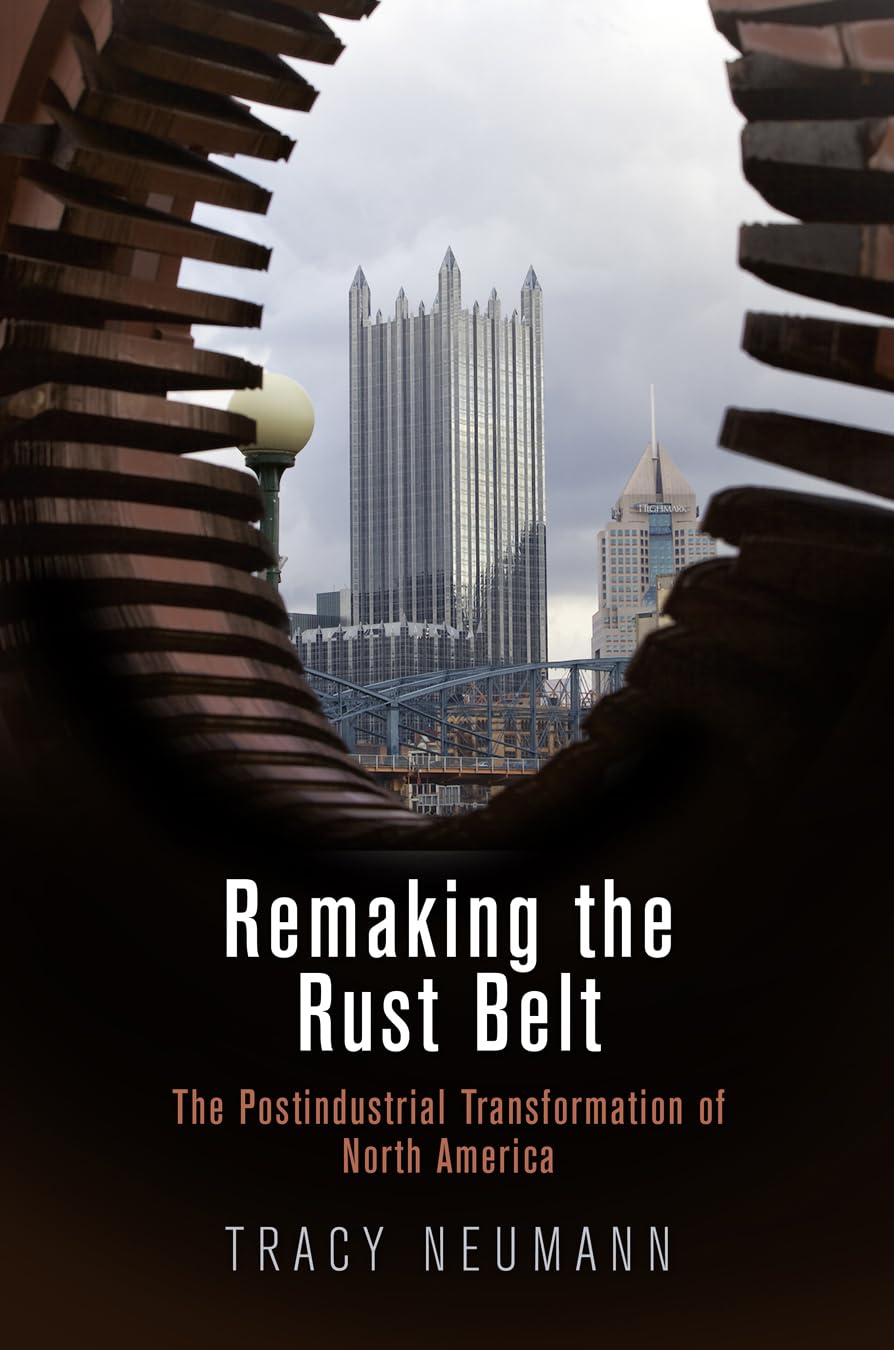
Remaking The Rust Belt: The Postindustrial Transformation Of North America (American Business, Politics, And Society),New
Sold by Ergodebooks, an authorized reseller.
Returns accepted within 30 days | support@ergodebooks.com
Shipping Information
- Free Standard Shipping — United States only
- Processing Time: 3–5 business days
- Estimated Delivery: 6–10 business days after dispatch
- Double-boxed, fully insured & discreetly packaged
- Tracking number sent via email once dispatched
Returns & Refund
Returns accepted within 30 days of delivery.
Damaged or Defective Item
Free return shipping + replacement or full refund
Wrong Item Received
Free return shipping + replacement or full refund
Change of Mind
Return shipping at customer's expense · 25% restocking fee applies
Payment Option

Cities in the North Atlantic coal and steel belt embodied industrial power in the early twentieth century, but by the 1970s, their economic and political might had been significantly diminished by newly industrializing regions in the Global South. This was not simply a North American phenomenonthe precipitous decline of mature steel centers like Pittsburgh, Pennsylvania, and Hamilton, Ontario, was a bellwether for similar cities around the world.Contemporary narratives of the decline of basic industry on both sides of the Atlantic make the postindustrial transformation of old manufacturing centers seem inevitable, the product of natural business cycles and neutral market forces. In Remaking the Rust Belt, Tracy Neumann tells a different story, one in which local political and business elites, drawing on a limited set of internationally circulating redevelopment models, pursued postindustrial urban visions. They hired the same consulting firms; shared ideas about urban revitalization on study tours, at conferences, and in the pages of professional journals; and began to plan cities oriented around services rather than manufacturingall well in advance of the economic malaise of the 1970s.While postindustrialism remade cities, it came with high costs. In following this strategy, public officials sacrificed the wellbeing of large portions of their populations. Remaking the Rust Belt recounts how local leaders throughout the Rust Belt created the jobs, services, leisure activities, and cultural institutions that they believed would attract younger, educated, middleclass professionals. In the process, they abandoned social democratic goals and widened and deepened economic inequality among urban residents.
⚠️ WARNING (California Proposition 65):
This product may contain chemicals known to the State of California to cause cancer, birth defects, or other reproductive harm.
For more information, please visit www.P65Warnings.ca.gov.