
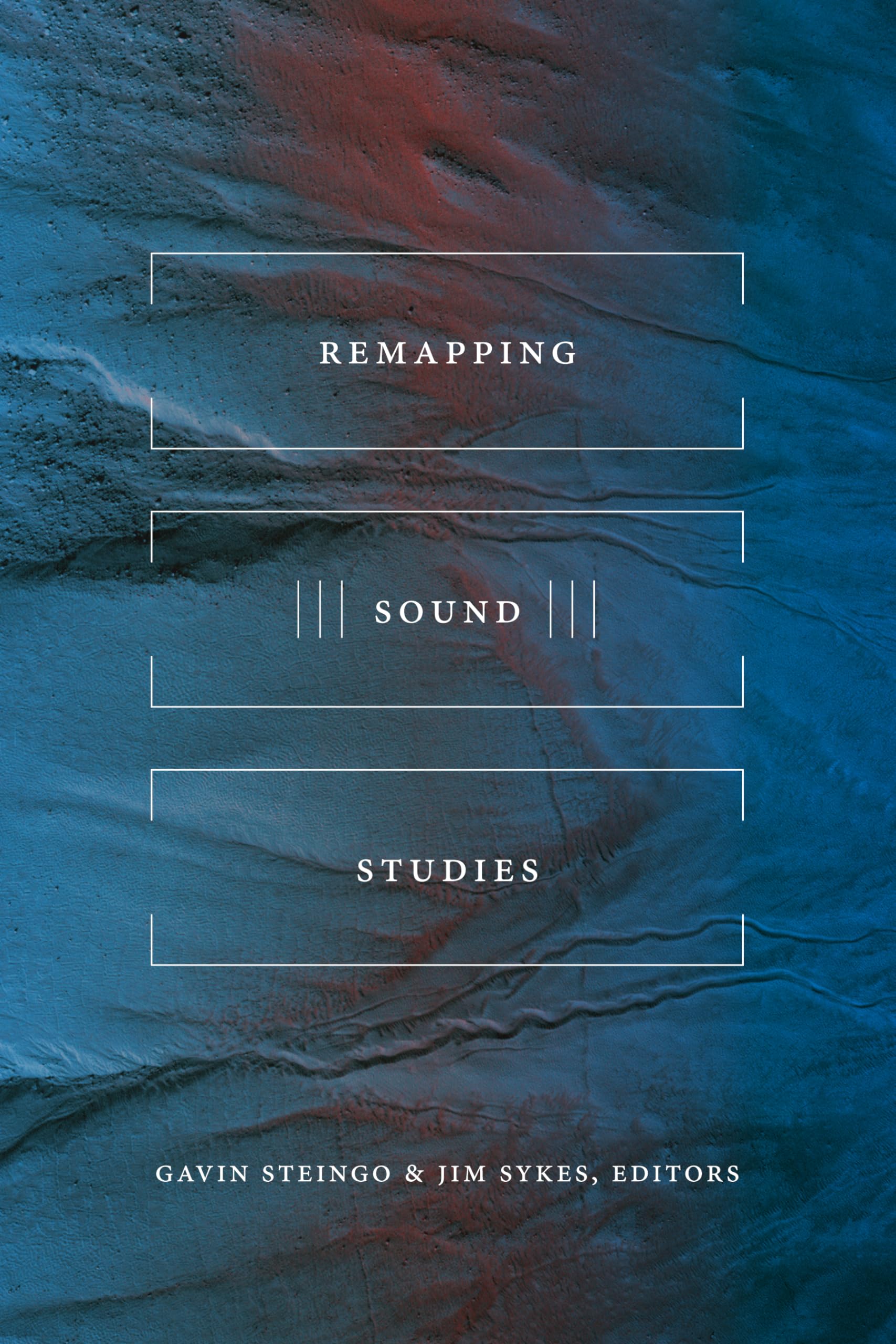
Title
Remapping Sound Studies
Sold by Ergodebooks, an authorized reseller.
Returns accepted within 30 days | support@ergodebooks.com
Shipping Information
- Free Standard Shipping — United States only
- Processing Time: 3–5 business days
- Estimated Delivery: 6–10 business days after dispatch
- Double-boxed, fully insured & discreetly packaged
- Tracking number sent via email once dispatched
Returns & Refund
Returns accepted within 30 days of delivery.
Damaged or Defective Item
Free return shipping + replacement or full refund
Wrong Item Received
Free return shipping + replacement or full refund
Change of Mind
Return shipping at customer's expense · 25% restocking fee applies
Payment Option

The Contributors To Remapping Sound Studies Intervene In Current Trends And Practices In Sound Studies By Reorienting The Field Toward The Global South. Attending To Disparate Aspects Of Sound In Africa, South And Southeast Asia, Latin America, The Middle East, Micronesia, And A Southern Outpost In The Global North, This Volume Broadens The Scope Of Sound Studies And Challenges Some Of The Fields Central Presuppositions. The Contributors Show How Approaches To And Uses Of Technology Across The Global South Complicate Narratives Of Technological Modernity And How Soundmaking And Listening In Diverse Global Settings Unsettle Familiar Binaries Of Sacred/Secular, Private/Public, Human/Nonhuman, Male/Female, And Nature/Culture. Exploring A Wide Range Of Sonic Phenomena And Practices, From Birdsong In The Marshall Islands To Zulu Ululation, The Contributors Offer Diverse Ways To Remap And Decolonize Modes Of Thinking About And Listening To Sound.Contributorstripta Chandola, Michele Friedner, Louise Meintjes, Jairo Moreno, Ana Mar? Ochoa Gautier, Michael Birenbaum Quintero, Jeff Roy, Jessica Schwartz, Shayna Silverstein, Gavin Steingo, Jim Sykes, Benjamin Tausig, Herv?Tchumkam
⚠️ WARNING (California Proposition 65):
This product may contain chemicals known to the State of California to cause cancer, birth defects, or other reproductive harm.
For more information, please visit www.P65Warnings.ca.gov.
- Q: How many pages does Remapping Sound Studies have? A: Remapping Sound Studies has two hundred ninety-six pages. This extensive content allows for a deep exploration of sound studies from various global perspectives.
- Q: What is the binding type of this book? A: The book is available in paperback binding. This format makes it lightweight and easy to handle for readers.
- Q: What are the dimensions of Remapping Sound Studies? A: The book measures five point ninety-eight inches in length, one inch in width, and nine point twenty-one inches in height. These dimensions make it a portable addition to any collection.
- Q: Who is the author of Remapping Sound Studies? A: The author of Remapping Sound Studies is Gavin Steingo. He is known for his contributions to ethnomusicology and sound studies.
- Q: What category does this book fall under? A: Remapping Sound Studies is categorized under ethnomusicology. It focuses on diverse sound practices and theories from a global perspective.
- Q: How do I read Remapping Sound Studies? A: You can read Remapping Sound Studies by simply opening the book and diving into its chapters. The content is structured to explore various aspects of sound across different cultures.
- Q: Is this book suitable for beginners in sound studies? A: Yes, this book is suitable for beginners. It provides foundational insights into sound studies while challenging existing narratives in the field.
- Q: Can this book be used for academic research? A: Yes, it can be used for academic research. The contributions from various scholars offer valuable perspectives and methodologies for sound studies.
- Q: How should I store Remapping Sound Studies to keep it in good condition? A: Store the book in a cool, dry place away from direct sunlight. This will help prevent fading and damage to the paperback cover.
- Q: What if the book arrives damaged? A: If the book arrives damaged, you should contact the seller for a return or exchange. Most sellers have policies in place to handle such issues.
- Q: Are there any hazards associated with this book? A: No, there are no hazardous materials associated with this book. It is safe for general reading and handling.
- Q: Is there any specific care needed for this paperback book? A: No specific care is needed for the paperback book. Just handle it with clean hands and store it properly to prolong its life.
- Q: What themes does Remapping Sound Studies explore? A: The book explores themes related to sound-making, listening practices, and technological influences in various cultures. It emphasizes decolonizing sound studies.
- Q: Is this book appropriate for academic libraries? A: Yes, this book is appropriate for academic libraries. Its scholarly contributions make it a valuable addition to collections focusing on music, sound, and cultural studies.
- Q: Does this book include illustrations? A: Yes, Remapping Sound Studies includes nine illustrations. These visuals enhance the understanding of the concepts discussed within the text.
- Q: Who are the contributors to Remapping Sound Studies? A: The contributors include notable scholars such as Tripta Chandola, Michele Friedner, and Louise Meintjes, among others. Their diverse backgrounds enrich the discussions in the book.