
Title
Remembering Paradise Park: Tourism And Segregation At Silver Springs
Sold by Ergodebooks, an authorized reseller.
Returns accepted within 30 days | support@ergodebooks.com
Shipping Information
- Free Standard Shipping — United States only
- Processing Time: 3–5 business days
- Estimated Delivery: 6–10 business days after dispatch
- Double-boxed, fully insured & discreetly packaged
- Tracking number sent via email once dispatched
Returns & Refund
Returns accepted within 30 days of delivery.
Damaged or Defective Item
Free return shipping + replacement or full refund
Wrong Item Received
Free return shipping + replacement or full refund
Change of Mind
Return shipping at customer's expense · 25% restocking fee applies
Payment Option

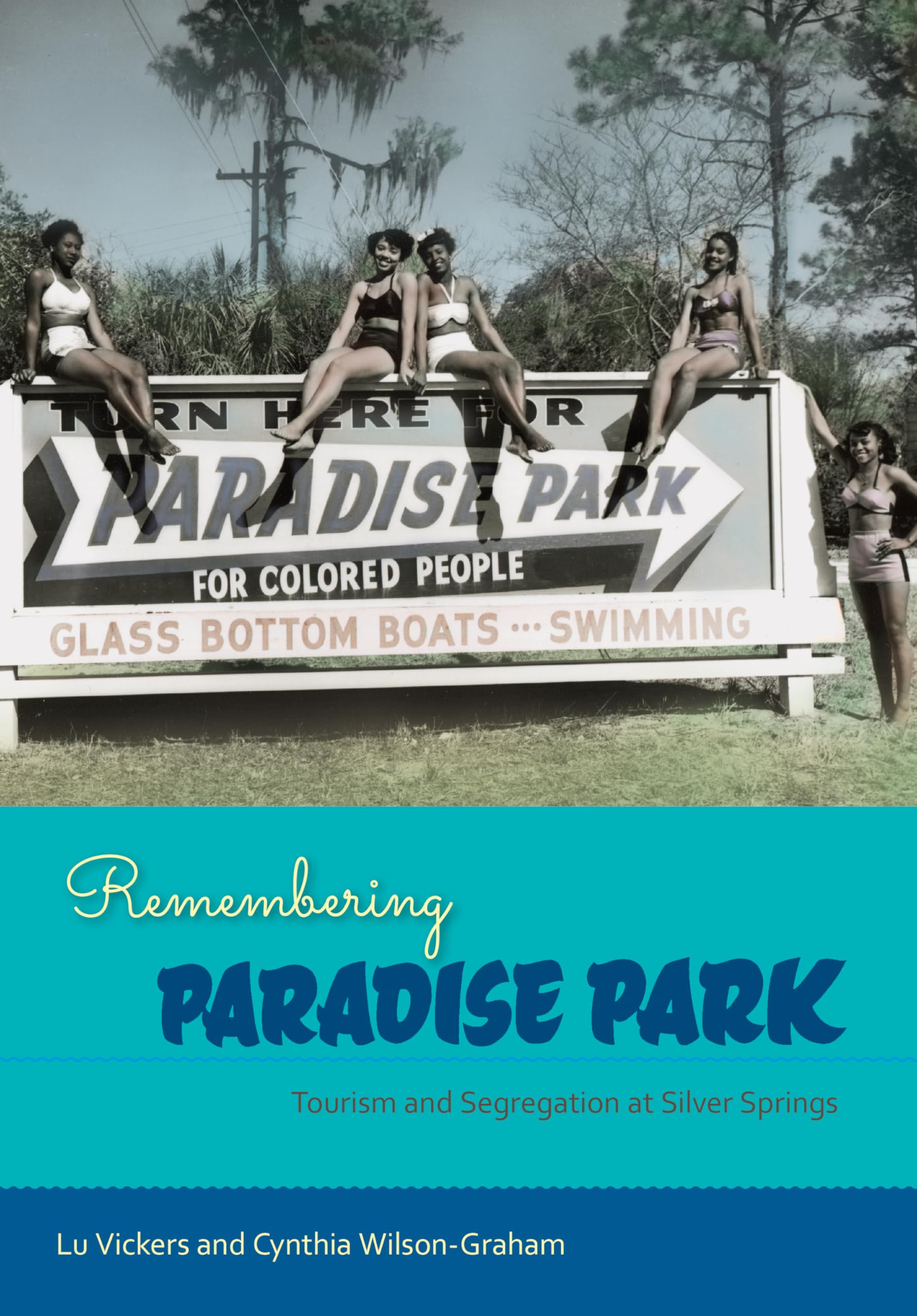
American Library Association Best Of The Best Of The University Presses A Strange And Unsettling Glimpse Of The Land Of Sun And Surf In The Waning Moments Of Segregation In The South.Gilbert King, Author Of Devil In The Grove: Thurgood Marshall, The Groveland Boys, And The Dawn Of A New Americaa Testament To The Efforts Of A Black Community Determined To Provide Wholesome Recreation For Their Families In A Segregated Society. This Masterpiece Of Local History Changes The Way We Think About The History Of Tourism And Civil Rights.Susan Sessions Rugh, Author Of Are We There Yet?: The Golden Age Of American Family Vacationsthe Story Of Florida Tourism Has Been Told In Many Ways, But This Book Gives A Perspective That Has Been Missing From Most Of Them. Vickers And Wilsongraham Finally Open The Gates To Paradise Park So That All Are Welcome To Sample Its Wonders.Tim Hollis, Author Of Selling The Sunshine State: A Celebration Of Florida Tourism Advertisingan Invaluable Time Capsule. This Bittersweet Book Vividly Describes The Joys Of Paradise Park, While Acceptance And Endurance Of Racist Practices Are Also Remembered And Voiced.Marsha Dean Phelts, Author Of An American Beach For African Americansparadise Park Was The Colored Only Counterpart To Silver Springs, A Central Florida Tourist Attraction Famous For Its Crystalclear Water And Glass Bottom Boats. Together The Two Parks Comprised One Of The Biggest Recreational Facilities In The Country Before Disney World. From 1949 To 1969, Boats Passed Each Other On The Silver Riverblacks On One Side, Whites On The Other. Though The Patrons Of Both Parks Shared The Same River, They Seldom Crossed The Invisible Line In The Water.Full Of Vivid Photographs, Vintage Advertisements, And Interviews With Employees And Patrons, Remembering Paradise Park Portrays A Place Of Delight And Leisure During The Painful Era Of Jim Crow. Racial Violence Was At Its Height In Floridathe Famous Groveland Rape Case Happened Right As Paradise Park Openedand Many African Americans Saw The Park As A Safe Place For Families. It Was A Popular Vacation Spot For The Areas Black Community, One Of The Most Cohesive And Prosperous In The South.Tracing The Color Line Through Floridas Most Famous Spring, This Book Compares The Park To Other Tourist Destinations Set Aside For African Americans In The State And Across The Country. Though Silver Springs Was Floridas Only Attraction To Operate A Parallel Facility For African Americans, Paradise Park Has Been Just A Whisper In The Story Of Florida Tourism Until Now.
⚠️ WARNING (California Proposition 65):
This product may contain chemicals known to the State of California to cause cancer, birth defects, or other reproductive harm.
For more information, please visit www.P65Warnings.ca.gov.
- Q: How many pages does the book have? A: This book has two hundred forty pages. It provides a comprehensive look into the history of Paradise Park and its significance.
- Q: What are the dimensions of the book? A: The book measures seven point zero one inches in length, zero point five six inches in width, and ten inches in height.
- Q: What type of binding does this book have? A: The book is bound in hardcover. This ensures durability and a premium feel for readers.
- Q: Who is the author of this book? A: The book is authored by Lu Vickers. She offers in-depth insights into the history of tourism and segregation.
- Q: What is the genre of the book? A: This book falls under the category of Hospitality, Travel & Tourism. It explores the intersection of tourism and civil rights.
- Q: Is this book suitable for all ages? A: Yes, the book is suitable for a general audience. However, it addresses themes related to segregation and racial issues.
- Q: How can I use this book for research? A: You can use the book as a historical reference for studies on tourism and civil rights. It includes interviews and photographs that enhance understanding.
- Q: Is this book appropriate for educational purposes? A: Yes, the book is a valuable resource for educational purposes. Its themes can be incorporated into discussions on history and social justice.
- Q: How should I store this book to keep it in good condition? A: Store the book upright in a cool, dry place. Avoid direct sunlight to prevent fading and ensure longevity.
- Q: Can this book be cleaned if it gets dirty? A: Yes, if the book gets dirty, gently wipe the cover with a soft, dry cloth. Avoid using water or cleaners on the pages.
- Q: What if I receive a damaged book? A: If you receive a damaged book, you should contact customer service for assistance with returns or exchanges.
- Q: How do I know if this book is the right choice for my interests? A: This book is ideal for those interested in the history of tourism and civil rights. It provides unique insights into a lesser-known aspect of Florida's history.
- Q: Is there any additional information about the historical context in the book? A: Yes, the book provides detailed accounts of the racial dynamics during the era of segregation in Florida's tourism.
- Q: What are some key themes covered in the book? A: Key themes include tourism, segregation, community resilience, and the historical significance of Paradise Park.
- Q: Does the book include photographs or illustrations? A: Yes, the book is filled with vivid photographs and vintage advertisements that enhance the narrative.
- Q: How can this book contribute to understanding civil rights issues? A: This book contributes to understanding civil rights by showcasing the experiences of African Americans in Florida's tourism during segregation.