
Title
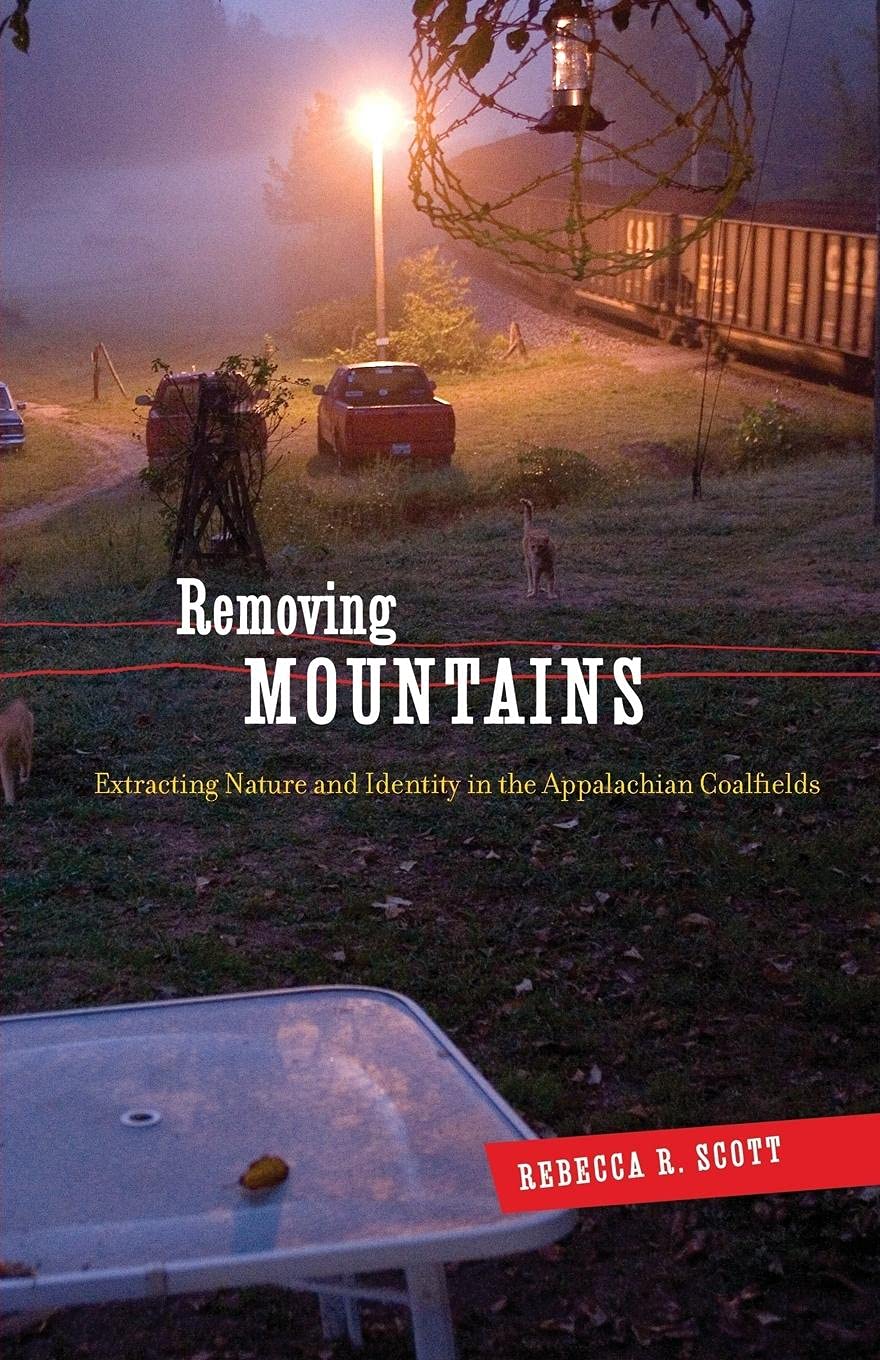
Removing Mountains: Extracting Nature And Identity In The Appalachian Coalfields (A Quadrant Book),Used
Sold by Ergodebooks, an authorized reseller.
Returns accepted within 30 days | support@ergodebooks.com
Shipping Information
- Free Standard Shipping — United States only
- Processing Time: 3–5 business days
- Estimated Delivery: 6–10 business days after dispatch
- Double-boxed, fully insured & discreetly packaged
- Tracking number sent via email once dispatched
Returns & Refund
Returns accepted within 30 days of delivery.
Damaged or Defective Item
Free return shipping + replacement or full refund
Wrong Item Received
Free return shipping + replacement or full refund
Change of Mind
Return shipping at customer's expense · 25% restocking fee applies
Payment Option

A coal mining technique practiced in southern West Virginia known as mountaintop removal is drastically altering the terrain of the Appalachian Mountains. Peaks are flattened and valleys are filled as the coal industry levels thousands of acres of forest to access the coal, in the process turning the forest into scrubby shrublands and poisoning the water. This is dangerous and environmentally devastating work, but as Rebecca R. Scott shows in Removing Mountains, the issues at play are vastly complicated.In this rich ethnography of life in Appalachia, Scott examines mountaintop removal in light of controversy and protests from environmental groups calling for its abolishment. But Removing Mountains takes the conversation in a new direction, telling the stories of the businesspeople, miners, and families who believe they depend on the industry to survive. Scott reveals these southern Appalachian coalfields as a meaningful landscape where everyday practices and representations help shape a community's relationship to the environment.Removing Mountains demonstrates that the paradox that faces this communityforced to destroy their land to make a wageraises important questions related not only to the environment but also to American national identity, place, and white workingclass masculinity.
⚠️ WARNING (California Proposition 65):
This product may contain chemicals known to the State of California to cause cancer, birth defects, or other reproductive harm.
For more information, please visit www.P65Warnings.ca.gov.
- Q: What is the main topic of 'Removing Mountains'? A: 'Removing Mountains' explores the impact of mountaintop removal coal mining in the Appalachian region, examining its environmental and social consequences.
- Q: Who is the author of 'Removing Mountains'? A: The author of 'Removing Mountains' is Rebecca R. Scott, who provides an ethnographic perspective on the coalfields of Appalachia.
- Q: How many pages does 'Removing Mountains' have? A: 'Removing Mountains' contains a total of 296 pages.
- Q: What type of binding does this book have? A: 'Removing Mountains' is available in paperback binding.
- Q: When was 'Removing Mountains' published? A: 'Removing Mountains' was published on August 4, 2010.
- Q: What are the key themes discussed in 'Removing Mountains'? A: Key themes include environmental devastation, community identity, and the economic reliance on the coal industry in southern Appalachia.
- Q: Is 'Removing Mountains' suitable for academic research? A: Yes, 'Removing Mountains' is a well-researched ethnography that can serve as a valuable resource for academic studies on environmental issues and community dynamics.
- Q: What is the intended audience for 'Removing Mountains'? A: 'Removing Mountains' is intended for readers interested in environmental studies, sociology, and Appalachian culture.
- Q: Does 'Removing Mountains' provide personal stories from the community? A: Yes, the book includes personal narratives from businesspeople, miners, and families affected by mountaintop removal mining.
- Q: What is the significance of the title 'Removing Mountains'? A: The title 'Removing Mountains' reflects the physical and metaphorical removal of natural landscapes and identities in the context of coal mining in Appalachia.