
Title
Reorienting Fashion: The Globalization Of Asian Dress (Dress, Body, Culture),Used
Sold by Ergodebooks, an authorized reseller.
Returns accepted within 30 days | support@ergodebooks.com
Shipping Information
- Free Standard Shipping — United States only
- Processing Time: 3–5 business days
- Estimated Delivery: 6–10 business days after dispatch
- Double-boxed, fully insured & discreetly packaged
- Tracking number sent via email once dispatched
Returns & Refund
Returns accepted within 30 days of delivery.
Damaged or Defective Item
Free return shipping + replacement or full refund
Wrong Item Received
Free return shipping + replacement or full refund
Change of Mind
Return shipping at customer's expense · 25% restocking fee applies
Payment Option

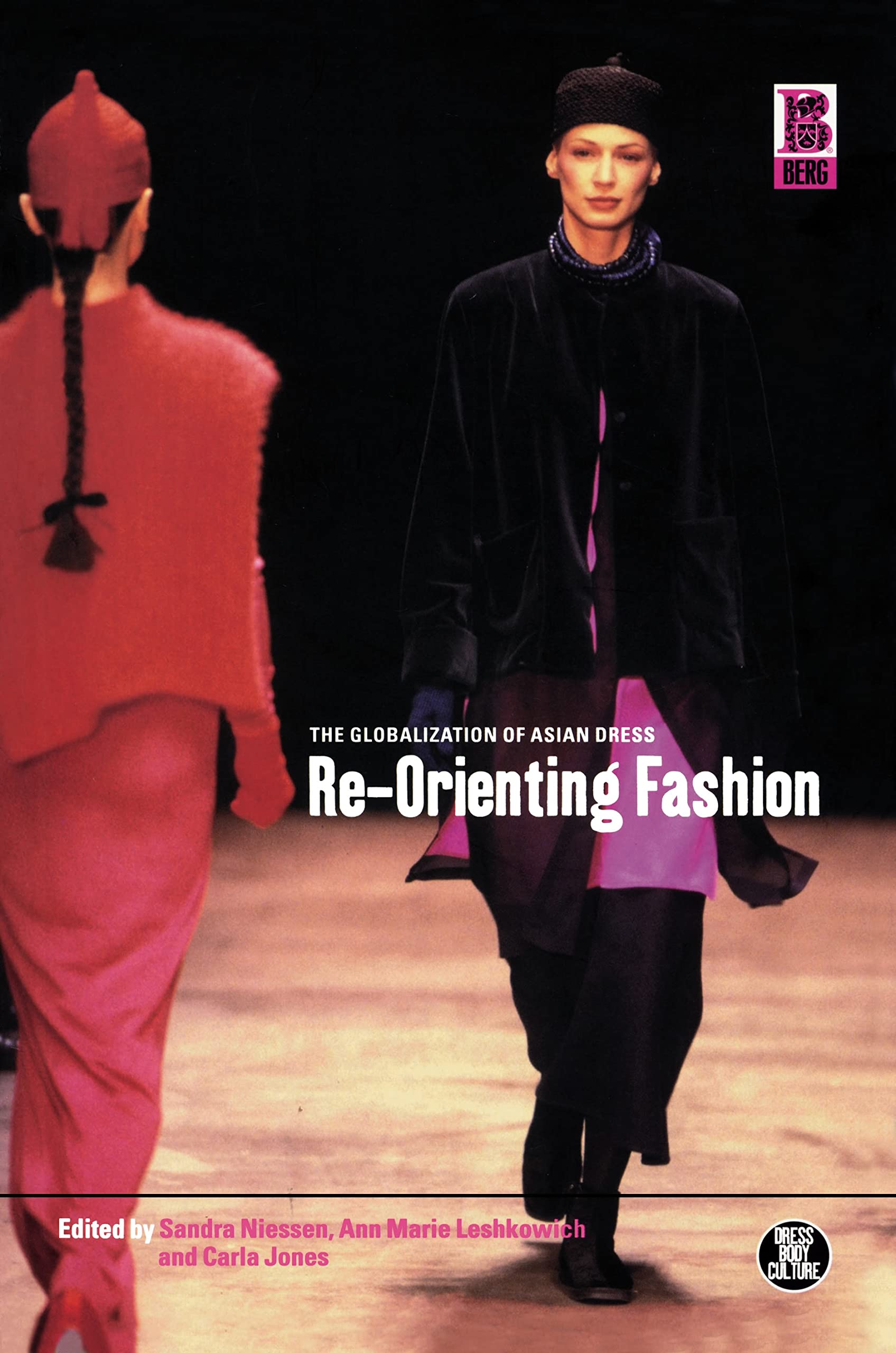
When Hong Kong Entrepreneur David Tang Opened His Shanghai Tang Boutique On New York'S Madison Avenue, It Was Not An Isolated Example Of The Globalization Of Asian Fashion. Further Evidence Is Written On The Labels In Our Closets, And Paraded In The Form Of Salwaarkameez And Silk Sarongs By The Rich And Famous Of London. The Phenomenon Merits Scrutiny. This Vanguard Attempt Points To The Colonial Era As The Origin Of Fashion Globalization, And Describes Its Development As Paralleling The Gradual Takeover Of Asian Daily Wear By Western Dress. From Indigenous Batak Weavers To Hong Kong Designers, And From Indonesian Businesswomen'S Power Suits To Korean Feminists' National Costume, This Book Explores The Sartorial Interface Of East And West.The Globalization Of Asian Dress Needs To Be Understood As Part Of An Ongoing Orientalism That Construes Asia As A Feminine Other To The Masculine West. The Conventional Orientalist Definition Of Fashion As An Exclusively Western Phenomenon Has Proved Selffulfilling In Both East And West So That The Conceptual Boundary Between The Two Is Continually Reasserted By Design. Paying Close Attention To Asians' Decisions About What Clothing To Make, Sell, Buy, And Wear, The Case Studies In This Book Challenge Orientalist Stereotypes Of Asian Style As Passive And Traditional And Highlight How These Actions Are Often Made Invisible By Global Cultural, Rhetorical, And Material Practices That Feminize Asia And The Fashion World. This Timely Book Will Be Of Interest To Dress And Fashion Theorists, Anthropologists, Sociologists, Historians, Art Historians And All Those Interested In Globalization, Orientalism And Their Effects.
⚠️ WARNING (California Proposition 65):
This product may contain chemicals known to the State of California to cause cancer, birth defects, or other reproductive harm.
For more information, please visit www.P65Warnings.ca.gov.