If you have any questions, you are always welcome to contact us. We'll get back to you as soon as possible, withing 24 hours on weekdays.
Customer service
All questions about your order, return and delivery must be sent to our customer service team by e-mail at yourstore@yourdomain.com
Sale & Press
If you are interested in selling our products, need more information about our brand or wish to make a collaboration, please contact us at press@yourdomain.com
Help
If you have any questions, you are always welcome to contact us. We'll get back to you as soon as possible, withing 24 hours on weekdays.
Customer service
All questions about your order, return and delivery must be sent to our customer service team by e-mail at yourstore@yourdomain.com
Sale & Press
If you are interested in selling our products, need more information about our brand or wish to make a collaboration, please contact us at press@yourdomain.com
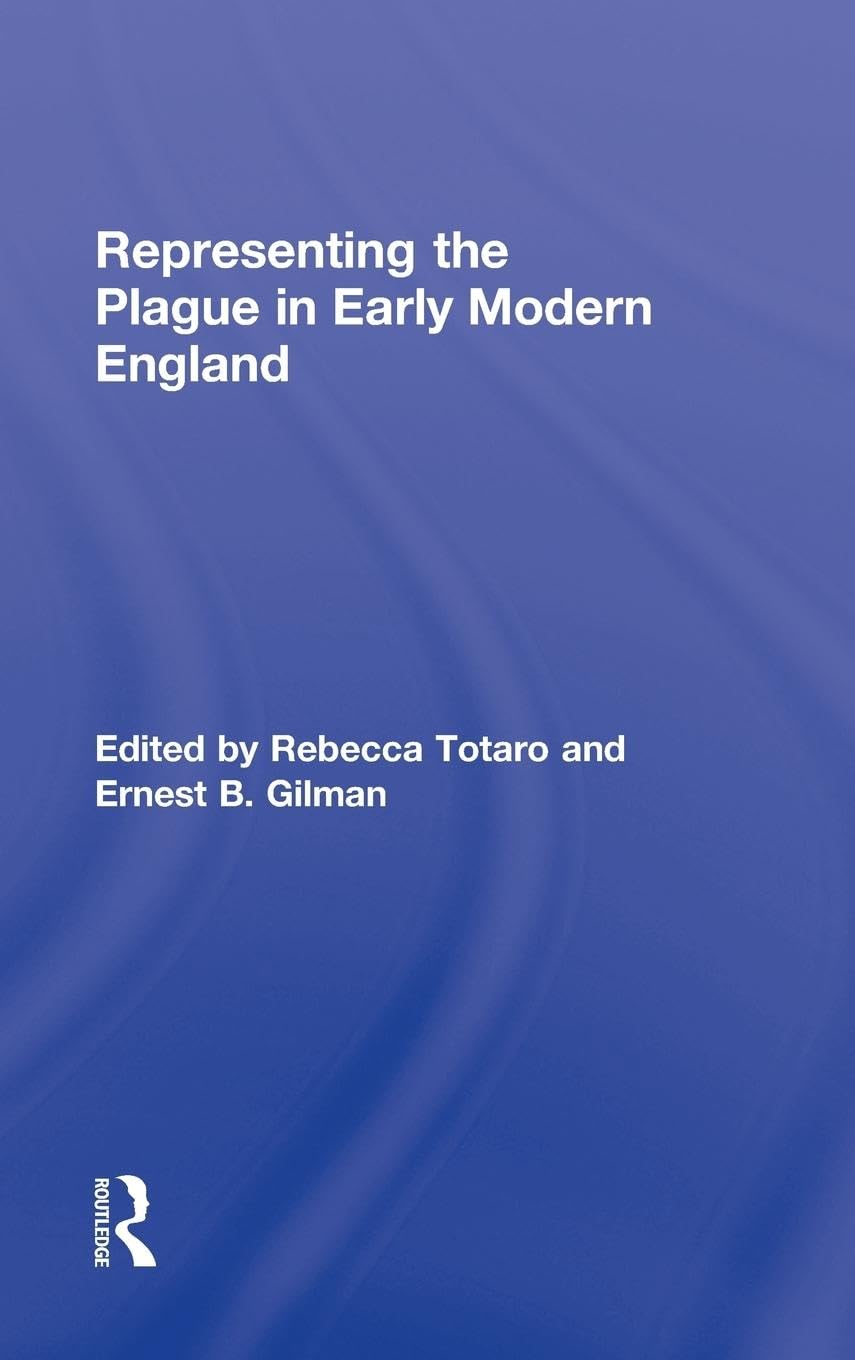
This collection offers readers a timely encounter with the historical experience of people adapting to a pandemic emergency and the corresponding narrative representation of that crisis, as early modern writers transformed the plague into literature. The essays examine the impact of the plague on health, politics, and religion as well as on the plays, prose fiction, and plague bills that stand as witnesses to the experience of a society devastated by contagious disease. Readers will find physicians and moralists wrestling with the mysteries of the disease; erotic escapades staged in plaguetime plays; the poignant prose works of William Bullein and Thomas Dekker; the bodies of monarchs who sought to protect themselves from plague; the chameleonlike nature of the plague as literal disease and as metaphor; and future strains of plague, literary and otherwise, which we may face in the globallyminded, technologydependent, and ecologicallyawakened twentyfirst century. The bubonic plague compelled change in all aspects of lived experience in Early Modern England, but at the same time, it opened space for writers to explore new ideas and new literary formsnot all of them somber or horrifying and some of them downright hilarious. By representing the plague for their audiences, these writers made an epidemic calamity intelligible: for them, the dreaded disease could signify despair but also hope, bewilderment but also a divine plan, quarantine but also liberty, death but also new life.
⚠️ WARNING (California Proposition 65):
This product may contain chemicals known to the State of California to cause cancer,
birth defects, or other reproductive harm.
For MAP (Minimum Advertised Price) violations and Intellectual Property (IP) or Trademark concerns, please contact:
support@ergodebooks.com
⚠️ California Proposition 65 Warning: Some products sold on this website may expose you to chemicals known to the State of California to cause cancer, birth defects, or other reproductive harm. For more information, visit www.P65Warnings.ca.gov.