If you have any questions, you are always welcome to contact us. We'll get back to you as soon as possible, withing 24 hours on weekdays.
Customer service
All questions about your order, return and delivery must be sent to our customer service team by e-mail at yourstore@yourdomain.com
Sale & Press
If you are interested in selling our products, need more information about our brand or wish to make a collaboration, please contact us at press@yourdomain.com
Help
If you have any questions, you are always welcome to contact us. We'll get back to you as soon as possible, withing 24 hours on weekdays.
Customer service
All questions about your order, return and delivery must be sent to our customer service team by e-mail at yourstore@yourdomain.com
Sale & Press
If you are interested in selling our products, need more information about our brand or wish to make a collaboration, please contact us at press@yourdomain.com
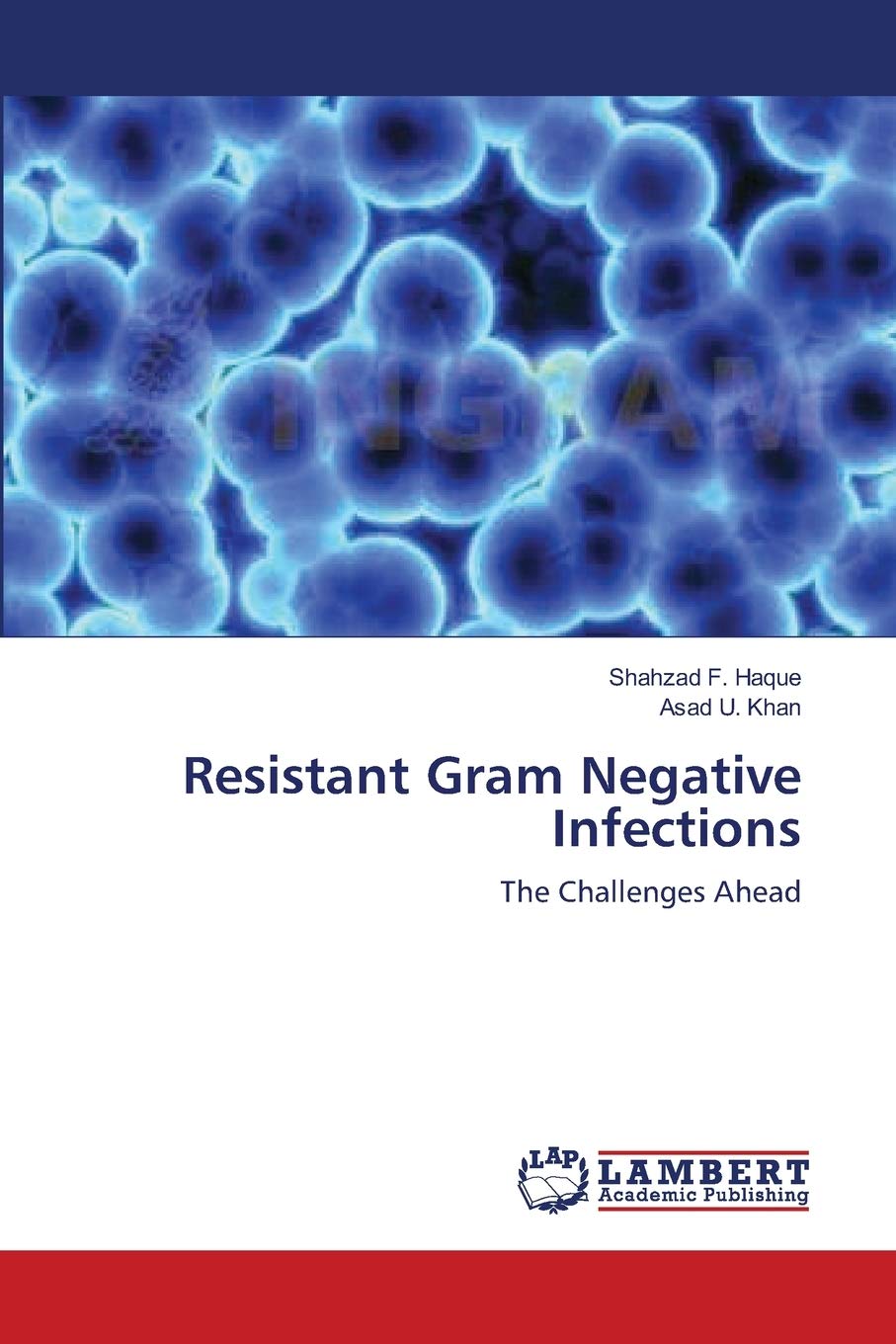
The treatment of gramnegative bacteremia is increasingly complicated by the occurrence of multidrug resistant gramnegative bacilli strains. Normally susceptible bacteria may become resistant to antimicrobial agents through mutation and selection or acquisition from other bacteria of genetic information that encodes resistance. Enterobacterial resistance to thirdgeneration cephalosporins is typically caused by production of extendedspectrum betalactamases . CTXMs are one of the means of antibiotic resistant marker transfer among members of Enterobacteriaceae. Continous surveillance will be necessary to monitor the evolution of extended spectrum betalactamases and to verify whether the CTXM type ESBLs will eventually prevail over the TEMtype ESBLs, which are still widespread, in some areas. The present work unveils the increasing role of the blaCTXM lactamases in antibiotic resistance and the significance of appropriate treatment for infections caused by coliforms. Further studies are needed, however, to determine whether antibiotic policies or other measures can halt or lower the level of horizontal transfer that occurs in a hospital or community.
⚠️ WARNING (California Proposition 65):
This product may contain chemicals known to the State of California to cause cancer,
birth defects, or other reproductive harm.
For MAP (Minimum Advertised Price) violations and Intellectual Property (IP) or Trademark concerns, please contact:
support@ergodebooks.com
⚠️ California Proposition 65 Warning: Some products sold on this website may expose you to chemicals known to the State of California to cause cancer, birth defects, or other reproductive harm. For more information, visit www.P65Warnings.ca.gov.