
Title
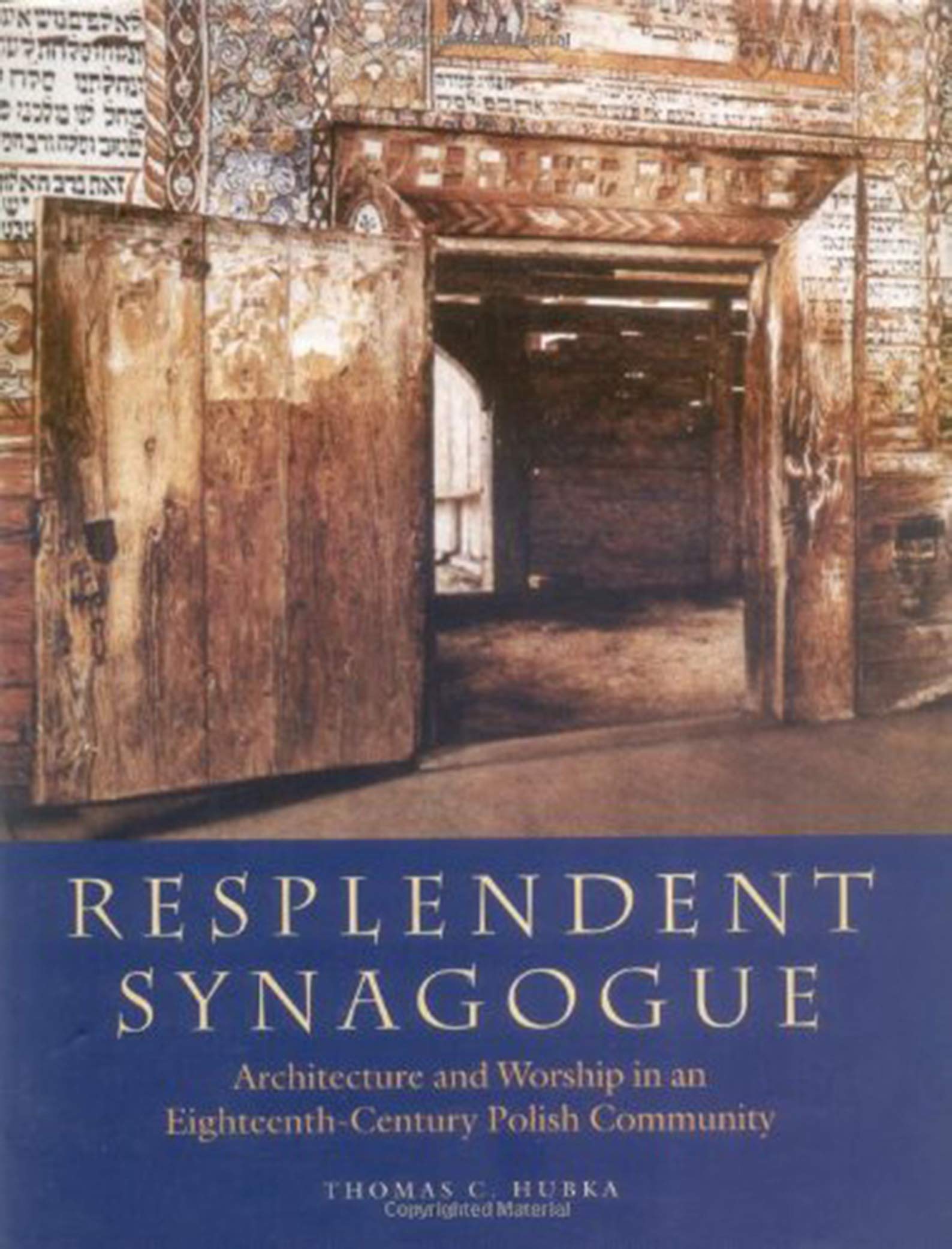
Resplendent Synagogue: Architecture and Worship in an EighteenthCentury Polish Community (TAUBER INSTITUTE FOR THE STUDY OF EUR,Used
Sold by Ergodebooks, an authorized reseller.
Returns accepted within 30 days | support@ergodebooks.com
Shipping Information
- Free Standard Shipping — United States only
- Processing Time: 3–5 business days
- Estimated Delivery: 6–10 business days after dispatch
- Double-boxed, fully insured & discreetly packaged
- Tracking number sent via email once dispatched
Returns & Refund
Returns accepted within 30 days of delivery.
Damaged or Defective Item
Free return shipping + replacement or full refund
Wrong Item Received
Free return shipping + replacement or full refund
Change of Mind
Return shipping at customer's expense · 25% restocking fee applies
Payment Option

Thomas C. Hubka, an architectural historian known for his work on American vernacular architecture, immersed himself in medieval and earlymodern Jewish history, religion, and culture to prepare for this remarkable study of the eighteenthcentury Polish synagogue in the town of Gwozdziec, now in present Ukraine. Hubka selected the Gwozdziec Synagogueone of the finest examples of a smalltown wooden synagogue from the former PolishLithuanian Commonwealthbecause of the completeness of its photographic and historical records. This truly resplendent synagogue exemplified a high point in Jewish architectural art and religious painting, a tradition that was later abandoned by EasternEuropean Jewish communities in the nineteenth and twentieth centuries. Because the Gwozdziec Synagogue, like so many others, was destroyed by the Nazis, this book revives a spiritual community lost to history. Graced with nearly 200 historical photographs, architectural drawings, maps, diagrams, and color illustrations, Resplendent Synagogue vividly recreates the spiritual heart of a oncevibrant Jewish community. Hubka reads the synagogue both as a historical document and as a cultural artifact. His interpretation of its art and architectureand its liturgyenables him to recreate a premodern Jewish community seen in relation to both its internal traditions of worship and its external relations with Gentile neighbors. Hubka demonstrates that while the architectural exterior of the synagogue was largely the product of nonJewish, regional influences, the interior design and elaborate wallpaintings signified a distinctly Jewish art form. The collaboration of Jewish and Gentile builders, craftsmen, and artists in the creation of this magnificent wooden structure attests to an eighteenth century period of relative prosperity and community wellbeing for the Jews of Gwozdziec. This unique exploration of a lost religious and cultural artifact breathes new life into a forgotten but fascinating aspect of eighteenthcentury Polish Jewry and is certain to incite discussion and debate among modern readers.
⚠️ WARNING (California Proposition 65):
This product may contain chemicals known to the State of California to cause cancer, birth defects, or other reproductive harm.
For more information, please visit www.P65Warnings.ca.gov.