If you have any questions, you are always welcome to contact us. We'll get back to you as soon as possible, withing 24 hours on weekdays.
Customer service
All questions about your order, return and delivery must be sent to our customer service team by e-mail at yourstore@yourdomain.com
Sale & Press
If you are interested in selling our products, need more information about our brand or wish to make a collaboration, please contact us at press@yourdomain.com
Help
If you have any questions, you are always welcome to contact us. We'll get back to you as soon as possible, withing 24 hours on weekdays.
Customer service
All questions about your order, return and delivery must be sent to our customer service team by e-mail at yourstore@yourdomain.com
Sale & Press
If you are interested in selling our products, need more information about our brand or wish to make a collaboration, please contact us at press@yourdomain.com
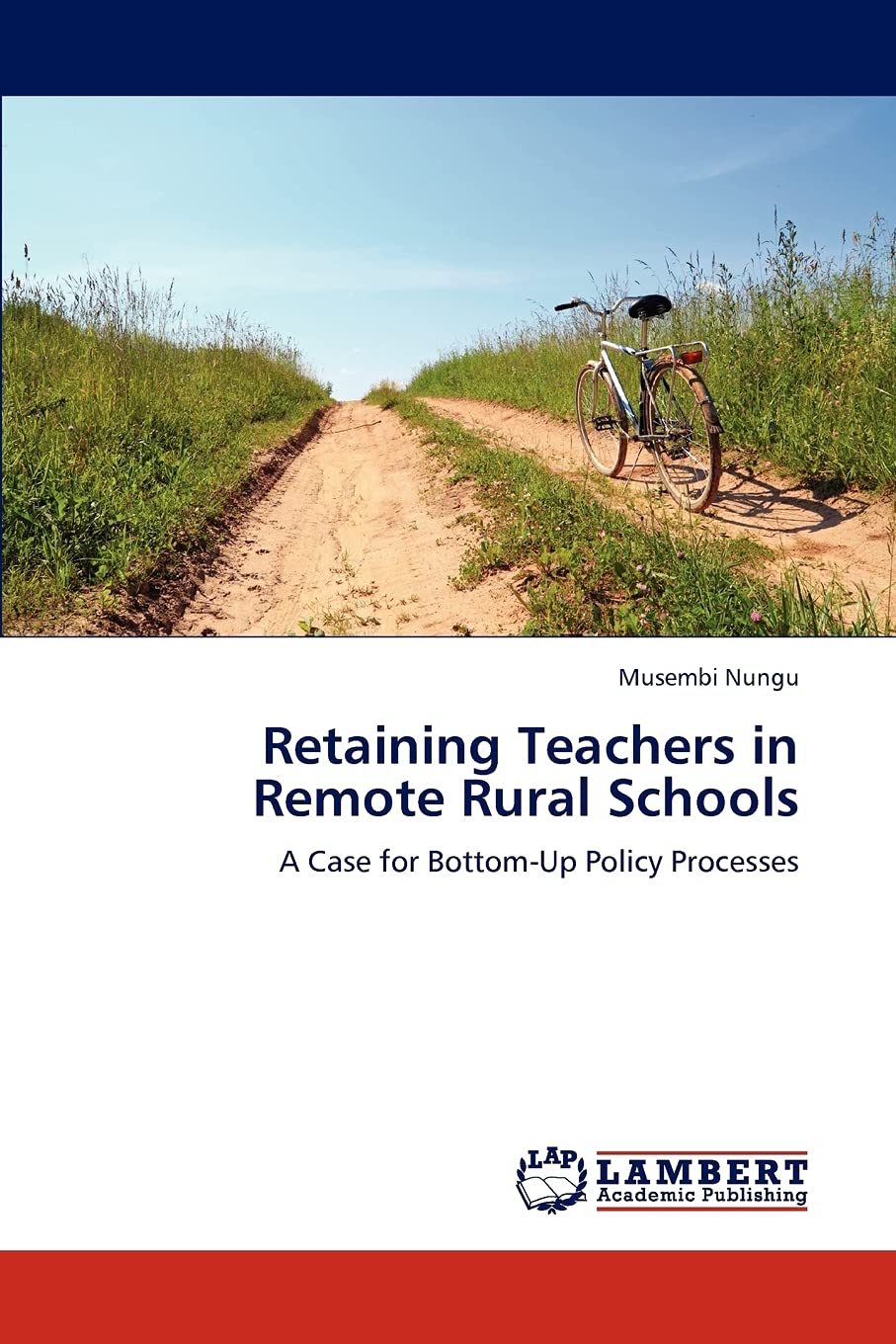
The continued occurrence of teacher shortage for schools in remote rural areas (also called hardship areas) in Kenya is a stinging indictment of the policy framework on teacher management, and raises questions about the seriousness of the governments commitment to the provision of equitable education services. Such shortage exacerbates the educational disadvantage of such areas, already disadvantaged with regard to access to schools, availability of teaching and learning resources, and educational outcomes. The author contends that the topdown, highly exclusivist policy framework for managing teachers is to blame for the failure of the numerous strategies aimed at attracting and retaining teachers in the remote rural schools. Within this framework, the conceptualization and naming of hardships has been onesided and unrealistic, leading to poorly informed policy options. A possible way to stem the perennial shortage of rural schoolteachers is a genuinely inclusive policy process. Within such a process, the experiences and views of grassroots stakeholders including teachers, school committees, parents, and students would count as relevant policy knowledge.
⚠️ WARNING (California Proposition 65):
This product may contain chemicals known to the State of California to cause cancer,
birth defects, or other reproductive harm.
For MAP (Minimum Advertised Price) violations and Intellectual Property (IP) or Trademark concerns, please contact:
support@ergodebooks.com
⚠️ California Proposition 65 Warning: Some products sold on this website may expose you to chemicals known to the State of California to cause cancer, birth defects, or other reproductive harm. For more information, visit www.P65Warnings.ca.gov.