If you have any questions, you are always welcome to contact us. We'll get back to you as soon as possible, withing 24 hours on weekdays.
Customer service
All questions about your order, return and delivery must be sent to our customer service team by e-mail at yourstore@yourdomain.com
Sale & Press
If you are interested in selling our products, need more information about our brand or wish to make a collaboration, please contact us at press@yourdomain.com
Help
If you have any questions, you are always welcome to contact us. We'll get back to you as soon as possible, withing 24 hours on weekdays.
Customer service
All questions about your order, return and delivery must be sent to our customer service team by e-mail at yourstore@yourdomain.com
Sale & Press
If you are interested in selling our products, need more information about our brand or wish to make a collaboration, please contact us at press@yourdomain.com
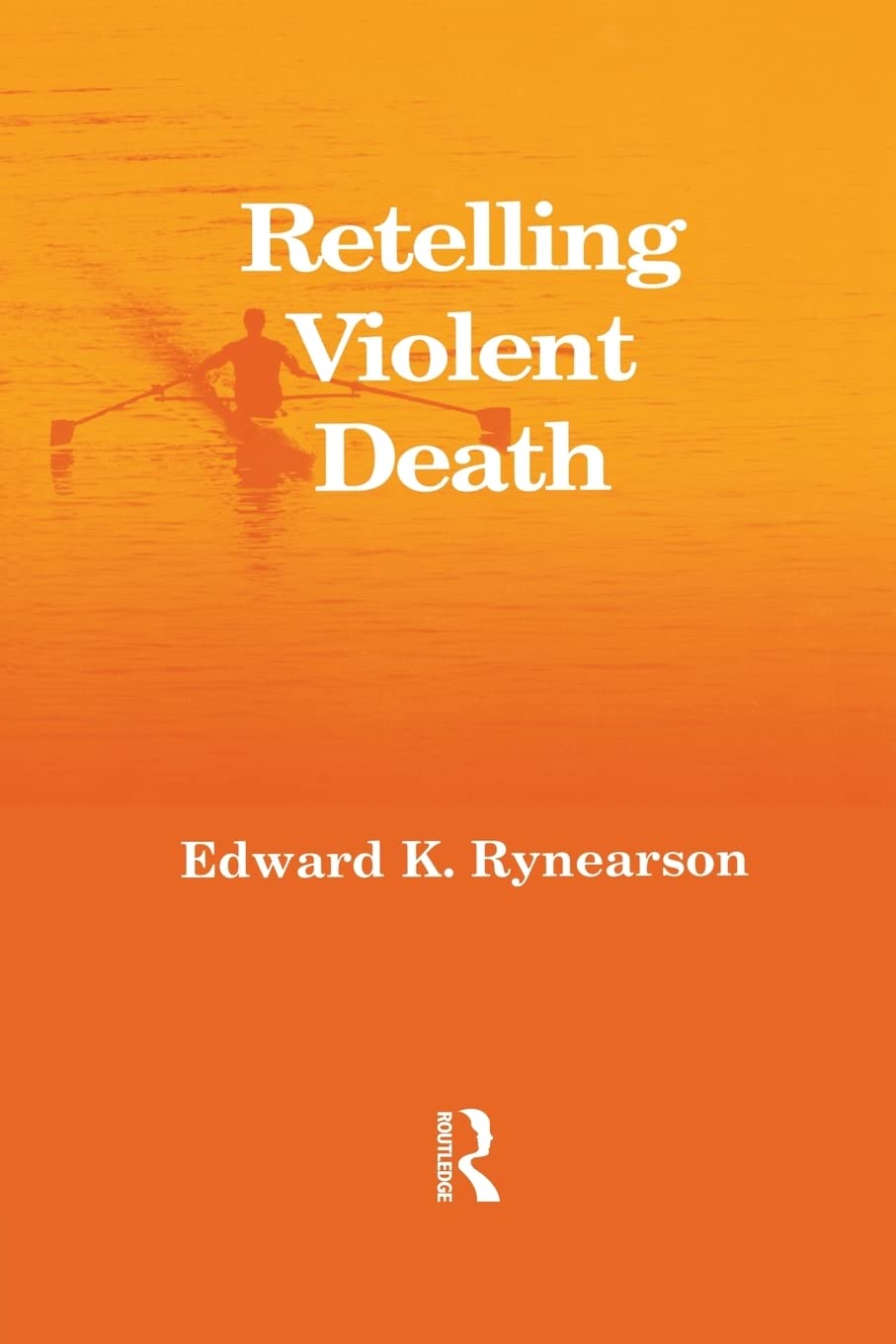
Violent death, whether by homicide, suicide, or accident, is particularly traumatic for the family and surrounding community of the deceased. Unlike natural dying from disease or old age, someone is responsible for a violent death; the family and community cannot rest until the dying is explained, until the perpetrator is identified and justice and order are reestablished. Often, a spectacled story of the death eclipses the memory of the person's life: family members remain mired in the retelling of the death and cannot fully reengage in their own living. In Retelling Violent Death, Edward K. Rynearson presents a strategy for restorative retelling that is based upon his thirty years of clinical practice and research with family members after a violent death as well as his own personal experience after his wife's suicide. In addition to a clear outline of this model for encouraging resilience, the book includes clinical interventions and case studies, as well as coverage of restorative retelling with children and adolescents, extant literature on violent dying, and the design and establishment of support groups and programs for those affected by violent death. Written from a highly engaging and uniquely personal perspective, Retelling Violent Death is an important resource for family members and clinicians who seek to help them in the aftermath of this devastating and lifechanging event. It provides hope that there is a way to survive and accommodate a violent death, to begin and continue the selftransformation that makes survival possible.
⚠️ WARNING (California Proposition 65):
This product may contain chemicals known to the State of California to cause cancer,
birth defects, or other reproductive harm.
For MAP (Minimum Advertised Price) violations and Intellectual Property (IP) or Trademark concerns, please contact:
support@ergodebooks.com
⚠️ California Proposition 65 Warning: Some products sold on this website may expose you to chemicals known to the State of California to cause cancer, birth defects, or other reproductive harm. For more information, visit www.P65Warnings.ca.gov.