
Title
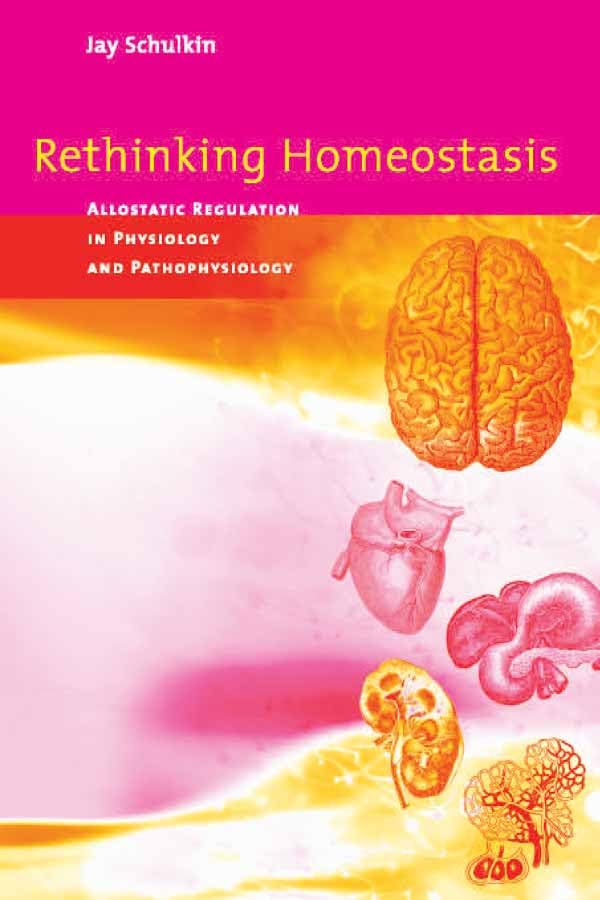
Rethinking Homeostasis: Allostatic Regulation in Physiology and Pathophysiology,Used
Sold by Ergodebooks, an authorized reseller.
Returns accepted within 30 days | support@ergodebooks.com
Shipping Information
- Free Standard Shipping — United States only
- Processing Time: 3–5 business days
- Estimated Delivery: 6–10 business days after dispatch
- Double-boxed, fully insured & discreetly packaged
- Tracking number sent via email once dispatched
Returns & Refund
Returns accepted within 30 days of delivery.
Damaged or Defective Item
Free return shipping + replacement or full refund
Wrong Item Received
Free return shipping + replacement or full refund
Change of Mind
Return shipping at customer's expense · 25% restocking fee applies
Payment Option

An overview of allostasis, the process by which the body maintains overall viability under normal and adverse conditions.Homeostasis, a key concept in biology, refers to the tendency toward stability in the various bodily states that make up the internal environment. Examples include temperature regulation and oxygen consumption. The body's needs, however, do not remain constant. When an organism is under stress, the central nervous system works with the endocrine system to use resources to maintain the overall viability of the organism. The process accelerates the various systems' defenses of bodily viability, but can violate shortterm homeostasis. This allostatic regulation highlights our ability to anticipate, adapt to, and cope with impending future events.In Rethinking Homeostasis, Jay Schulkin defines and explores many aspects of allostasis, including the wear and tear on tissues and accelerated pathophysiology caused by allostatic overload. Focusing on the concept of motivation and its relationship to the central nervous system function and specific hormonal systems, he applies a neuroendocrine perspective to central motive states such as cravings for water, sodium, food, sex, and drugs. He examines in detail the bodily consequences of the behavioral and neuroendocrine regulation of fear and adversity, the endocrine regulation of normal and preterm birth, and the effects of drug addiction on the body. Schulkin's presentation of allostasis lays the foundation for further study.
⚠️ WARNING (California Proposition 65):
This product may contain chemicals known to the State of California to cause cancer, birth defects, or other reproductive harm.
For more information, please visit www.P65Warnings.ca.gov.
- Q: What is the main focus of 'Rethinking Homeostasis'? A: The book focuses on allostasis, the process through which the body maintains viability under various conditions, contrasting it with traditional homeostasis.
- Q: Who is the author of 'Rethinking Homeostasis'? A: The author of the book is Jay Schulkin, who explores the neuroendocrine aspects of allostasis.
- Q: What topics are covered in this book? A: Topics include the relationship between stress and physiological responses, motivation, hormonal systems, and the effects of allostatic overload on health.
- Q: How many pages does 'Rethinking Homeostasis' have? A: The book contains 288 pages.
- Q: What is the publication date of 'Rethinking Homeostasis'? A: The book was published on January 31, 2003.
- Q: What is the binding type of this book? A: The book is available in hardcover binding.
- Q: In what category is 'Rethinking Homeostasis' classified? A: It is classified under the category of Pathophysiology.
- Q: What condition is the book in? A: The item condition is listed as 'Good'.
- Q: Does the book include any illustrations or figures? A: The product details do not specify whether there are illustrations or figures included in the book.
- Q: Is there any specific audience this book is intended for? A: The book is intended for readers interested in physiology, pathophysiology, and those studying the effects of stress on the body.