
Title
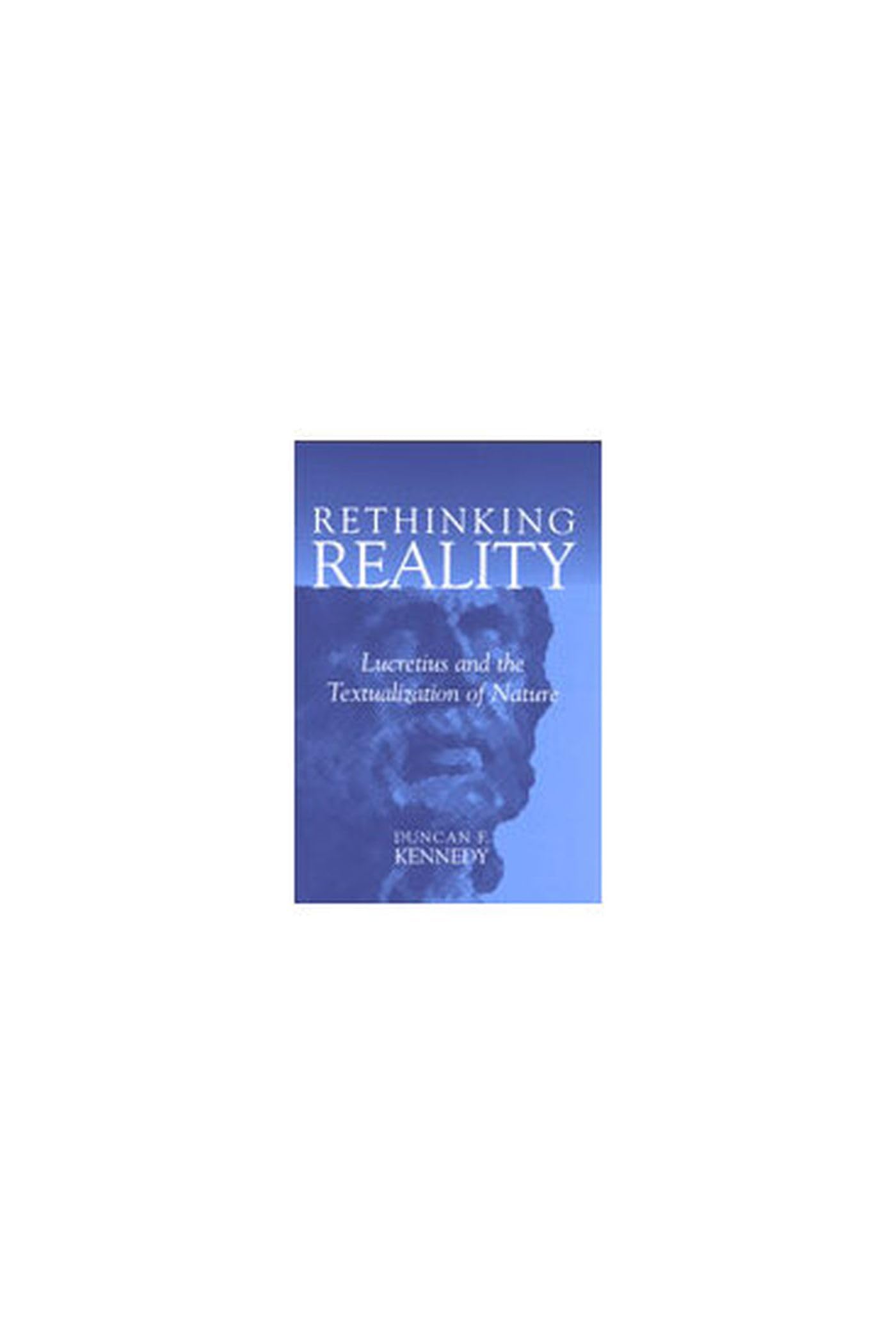
Rethinking Reality: Lucretius and the Textualization of Nature (Studies In Literature And Science),Used
Sold by Ergodebooks, an authorized reseller.
Returns accepted within 30 days | support@ergodebooks.com
Shipping Information
- Free Standard Shipping — United States only
- Processing Time: 3–5 business days
- Estimated Delivery: 6–10 business days after dispatch
- Double-boxed, fully insured & discreetly packaged
- Tracking number sent via email once dispatched
Returns & Refund
Returns accepted within 30 days of delivery.
Damaged or Defective Item
Free return shipping + replacement or full refund
Wrong Item Received
Free return shipping + replacement or full refund
Change of Mind
Return shipping at customer's expense · 25% restocking fee applies
Payment Option

How deeply into the structure of physical reality do the effects of our way of representing it reach? To what extent do constructivist accounts of scientific theorizing involve realist assumptions, and vice versa? This book provides a lucid and concise introduction to contemporary debates, taking as its theme the question of the relationship of representation and reality. It treats in an attractive and accessible way the historical, philosophical, and literary aspects of this question. In particular, it explores how the present relates to and configures claims to scientific knowledge from the past, taking as its main case study On the Nature of Things (De Rerum Natura), the poem on physics written by the Roman poet Lucretius in the 50s B.C.E.The book engages in a sustained argument about realist assumptions in scientific and other discourses through detailed analysis and discussion of some of the most important recent contributions to this debate. Engaging sympathetically but not uncritically with constructivist accounts of scientific knowledge, the book takes up a sustained critique of recent contributions to that debate, including those of Ian Hacking, Evelyn Fox Keller, Bruno Latour, and HansJrg Rheinberger. What are the implications of regarding such knowledge as "discovered" or "invented"? How is the rhetoric of such claims to be identified and the pretentions of those claims assessed?In what ways can realist and constructivist approaches be reconciled? How do these considerations affect the way we read scientific texts from the past and regard them historically?What emerges is a fresh and challenging assessment of the role of time and temporal perspective in assessing claims to knowledge in scientific thought and of the importance of textuality to the history of knowledge. A wide variety of readers, from classicists and intellectual historians to epistemologists of science, will enjoy and learn from Rethinking Reality.Duncan Kennedy is Reader in Latin Literature and the Theory of Criticism, University of Bristol. He is also the author of The Arts of Love: Five Studies in the Discourse of Roman Love Elegy.
⚠️ WARNING (California Proposition 65):
This product may contain chemicals known to the State of California to cause cancer, birth defects, or other reproductive harm.
For more information, please visit www.P65Warnings.ca.gov.