
Title
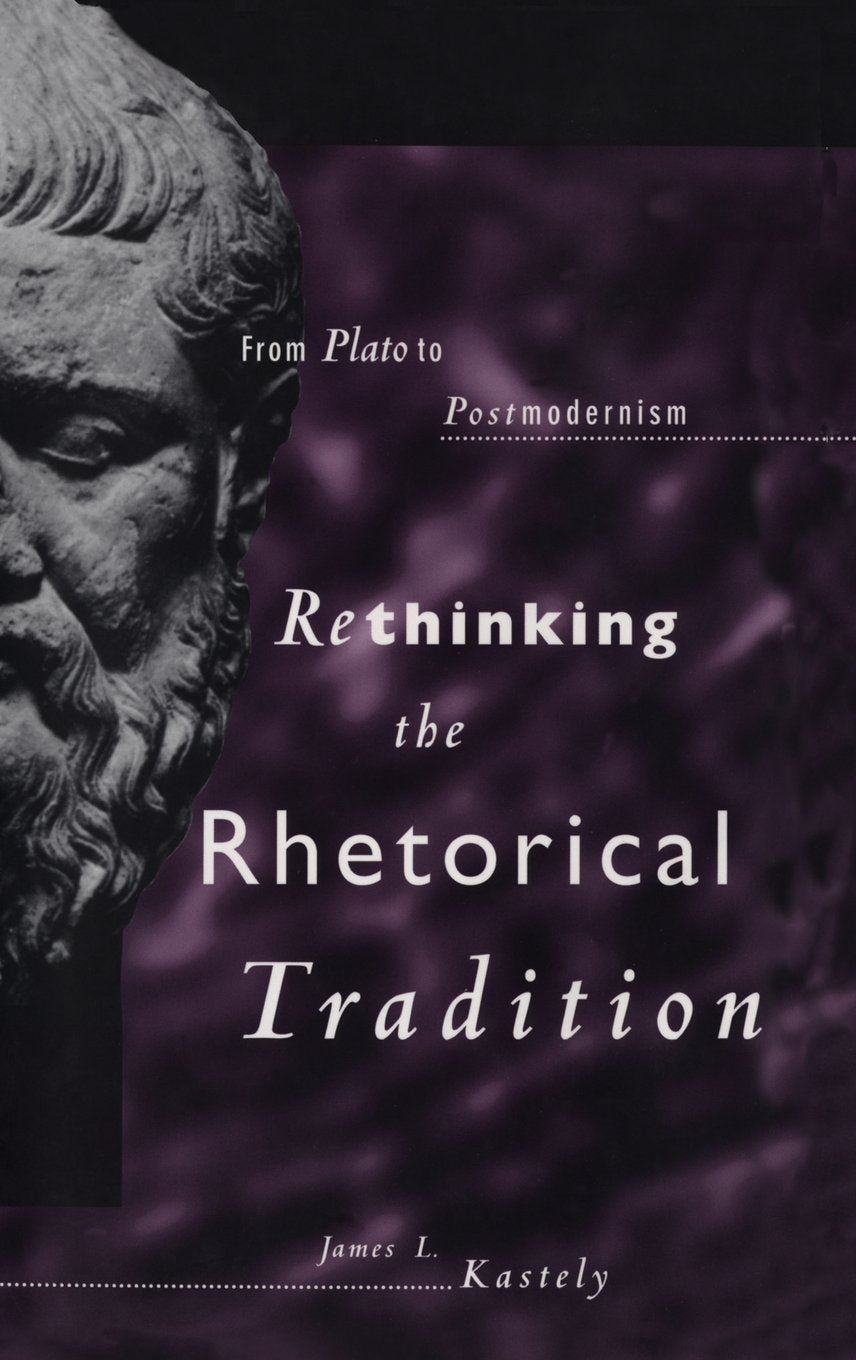
Rethinking the Rhetorical Tradition: From Plato to Postmodernism,Used
Sold by Ergodebooks, an authorized reseller.
Returns accepted within 30 days | support@ergodebooks.com
Shipping Information
- Free Standard Shipping — United States only
- Processing Time: 3–5 business days
- Estimated Delivery: 6–10 business days after dispatch
- Double-boxed, fully insured & discreetly packaged
- Tracking number sent via email once dispatched
Returns & Refund
Returns accepted within 30 days of delivery.
Damaged or Defective Item
Free return shipping + replacement or full refund
Wrong Item Received
Free return shipping + replacement or full refund
Change of Mind
Return shipping at customer's expense · 25% restocking fee applies
Payment Option

What is the role of rhetoric in a civil society? In this thoughtprovoking book, James L. Kastely examines works by writers from Plato to Jane Austen and locates a line of thinking that values rhetoric but also raises questions about the viability of rhetorical practice. While dealing principally with literary theory, rhetoric, and philosophy, the author's arguments extend to practical concerns and open up the way to deeper thinking about individual responsibility for existing injustices, for inadvertently injuring others, and for silencing those without power.Challenging the traditional claim that Plato is the chief opponent of rhetoric, Kastely contends that he was its most sophisticated theorist. Plato, Sophocles, and Euripides, the author asserts, recognized an essential paradox: while urgently believing in the need for rhetoric in a world where injustice cannot be eliminated, they nevertheless regarded the possibilities of rhetoric with skepticism. Tracing the modern recovery of a skeptical rhetorical tradition to Jane Austen, the author argues that Sartre's work displays the incoherence within modernist thought on discourse and reveals the tensions between two strains of postmodern thoughtdeconstructionism and Marxism. Kastely concludes by showing how the rhetorical theorist Kenneth Burke has returned to the insights of classical rhetoric in order to balance a skeptical stance toward persuasion with a commitment to act in a world with persistent injustice.
⚠️ WARNING (California Proposition 65):
This product may contain chemicals known to the State of California to cause cancer, birth defects, or other reproductive harm.
For more information, please visit www.P65Warnings.ca.gov.