If you have any questions, you are always welcome to contact us. We'll get back to you as soon as possible, withing 24 hours on weekdays.
Customer service
All questions about your order, return and delivery must be sent to our customer service team by e-mail at yourstore@yourdomain.com
Sale & Press
If you are interested in selling our products, need more information about our brand or wish to make a collaboration, please contact us at press@yourdomain.com
Help
If you have any questions, you are always welcome to contact us. We'll get back to you as soon as possible, withing 24 hours on weekdays.
Customer service
All questions about your order, return and delivery must be sent to our customer service team by e-mail at yourstore@yourdomain.com
Sale & Press
If you are interested in selling our products, need more information about our brand or wish to make a collaboration, please contact us at press@yourdomain.com
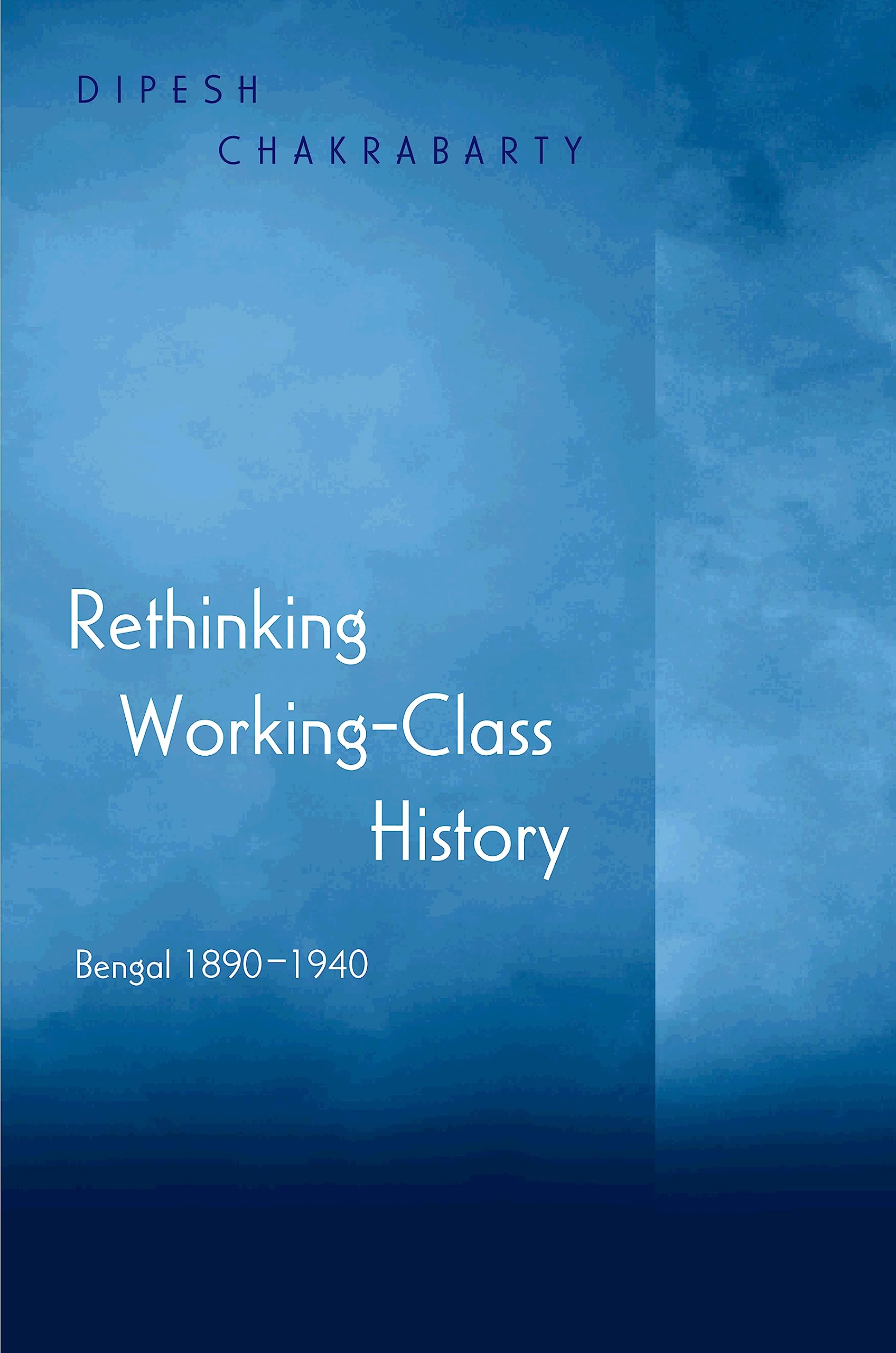
Dipesh Chakrabarty combines a history of the jutemill workers of Calcutta with a fresh look at labor history in Marxist scholarship. Opposing a reductionist view of culture and consciousness, he examines the milieu of the jutemill workers and the way it influenced their capacity for class solidarity and 'revolutionary' action from 1890 to 1940. Around and within this empirical core is built his critique of emancipatory narratives and their relationship to such Marxian categories as 'capital,' 'proletariat,' or 'class consciousness.'The book contributes to currently developing theories that connect Marxist historiography, poststructuralist thinking, and the traditions of hermeneutic analysis. Although Chakrabarty deploys Marxian arguments to explain the political practices of the workers he describes, he replaces universalizing Marxist explanations with a sensitive documentary method that stays close to the experience of workers and their European bosses. He finds in their relationship many elements of the landlord/tenant relationship from the rural past: the jutemill workers of the period were preindividualist in consciousness and thus incapable of participating consistently in modern forms of politics and political organization.
⚠️ WARNING (California Proposition 65):
This product may contain chemicals known to the State of California to cause cancer,
birth defects, or other reproductive harm.
For MAP (Minimum Advertised Price) violations and Intellectual Property (IP) or Trademark concerns, please contact:
support@ergodebooks.com
⚠️ California Proposition 65 Warning: Some products sold on this website may expose you to chemicals known to the State of California to cause cancer, birth defects, or other reproductive harm. For more information, visit www.P65Warnings.ca.gov.